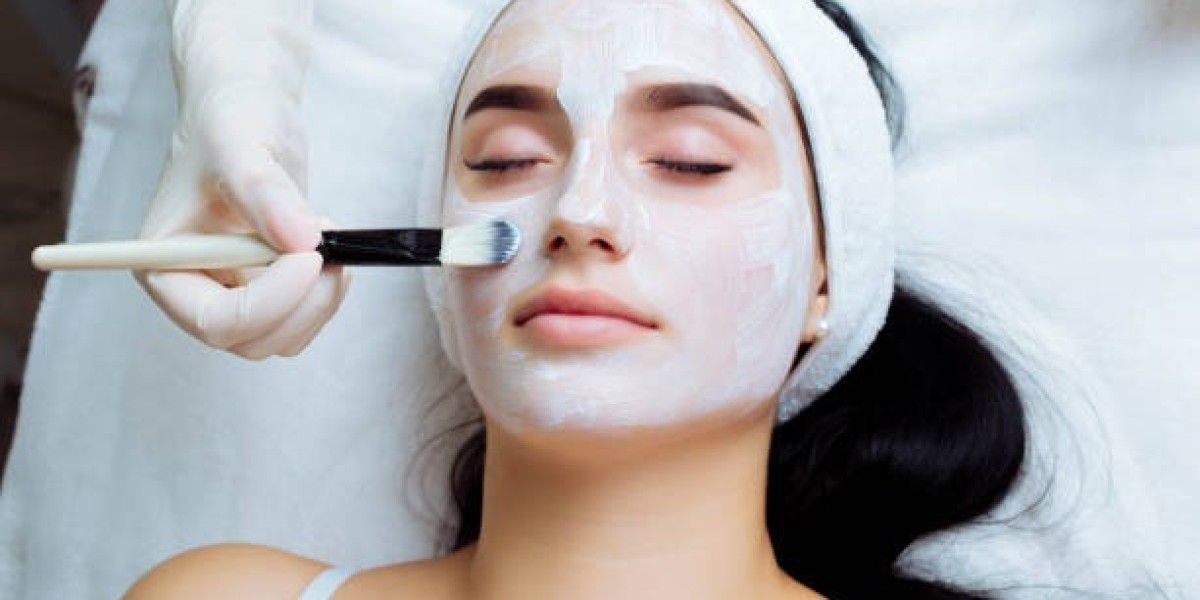

A glycolic acid peel is an excellent treatment for improving skin texture, reducing pigmentation, and revealing a brighter complexion. While the procedure itself is simple, proper aftercare is essential for achieving the best results. During the healing process, your skin becomes more sensitive, making it important to avoid certain activities and products that could cause irritation.
If you've recently had glycolic acid peel, following the right precautions can help protect your skin, speed up recovery, and maintain long-lasting results. Knowing what to avoid is just as important as knowing how to care for your skin after the treatment.
Why Aftercare Matters
Supports Healthy Skin Recovery
After a glycolic acid peel, the outer layer of your skin begins to renew itself. Proper aftercare minimizes irritation and allows your skin to heal smoothly.
Helps Maintain Results
Avoiding harmful habits after treatment helps preserve your brighter, smoother complexion and reduces the risk of unwanted skin reactions.
What Should You Avoid After a Glycolic Acid Peel?
Avoid Direct Sun Exposure
Freshly treated skin is more sensitive to ultraviolet (UV) rays. Limit sun exposure and always wear sunscreen when going outdoors.
Avoid Harsh Skincare Products
Stay away from products containing strong acids, retinoids, alcohol, or physical exfoliants until your skin has fully recovered.
Avoid Picking or Peeling the Skin
Mild peeling is a normal part of the healing process. Let the skin shed naturally to avoid irritation or uneven healing.
Avoid Hot Showers and Steam
Very hot water, steam rooms, and saunas can increase skin sensitivity and discomfort during recovery.
Avoid Intense Exercise
Heavy workouts that cause excessive sweating may irritate freshly treated skin during the first few days.
Avoid Waxing or Hair Removal Treatments
Delay waxing, threading, or laser hair removal on the treated area until your skin has completely healed.
Avoid Touching Your Face Frequently
Touching your face with unclean hands may transfer bacteria and increase the risk of irritation.
What Should You Do Instead?
Protect and Nourish Your Skin
To support healing:
- Wear sunscreen every day.
- Apply a gentle moisturizer.
- Cleanse your skin with a mild cleanser.
- Stay hydrated.
- Follow your skincare specialist's instructions.
These simple habits help maximize the benefits of your peel.
How Long Should You Follow These Precautions?
Recovery Timeline
Most people experience mild redness, dryness, or peeling for a few days. Your skincare provider will advise you when it's safe to return to your regular skincare routine.
Signs Your Skin Is Healing Well
Normal Recovery
Healthy healing may include:
- Reduced redness.
- Smooth, refreshed skin.
- Brighter complexion.
- Improved texture.
- Less dryness over time.
Following proper aftercare supports these positive results.
Why Choose Glycolic Acid Peel in Riyadh?
Many people choose Glycolic Acid Peel in Riyadh because it offers effective skin rejuvenation with minimal downtime. Experienced skincare professionals customize the treatment according to your skin type and provide detailed aftercare guidance to help you achieve safe, smooth, and long-lasting results with Glycolic Acid Peel in Riyadh.
Book Your Consultation Today
If you're ready to refresh your skin with professional care, schedule your consultation at Royal Clinic Saudia. Their experienced skincare specialists provide personalized Glycolic Acid Peel in Riyadh treatments along with expert aftercare advice to help you achieve healthier, brighter skin. Book your appointment today and experience the benefits of Glycolic Acid Peel in Riyadh.
FAQs:
Can I go in the sun after a glycolic acid peel?
It's best to avoid direct sun exposure and wear sunscreen daily.
When can I use exfoliating products again?
Wait until your skin has fully healed and follow your provider's advice.
Is peeling after the treatment normal?
Yes, mild peeling is a normal part of the skin renewal process.
Can I exercise after a glycolic acid peel?
It's recommended to avoid intense workouts for the first day or two after treatment.