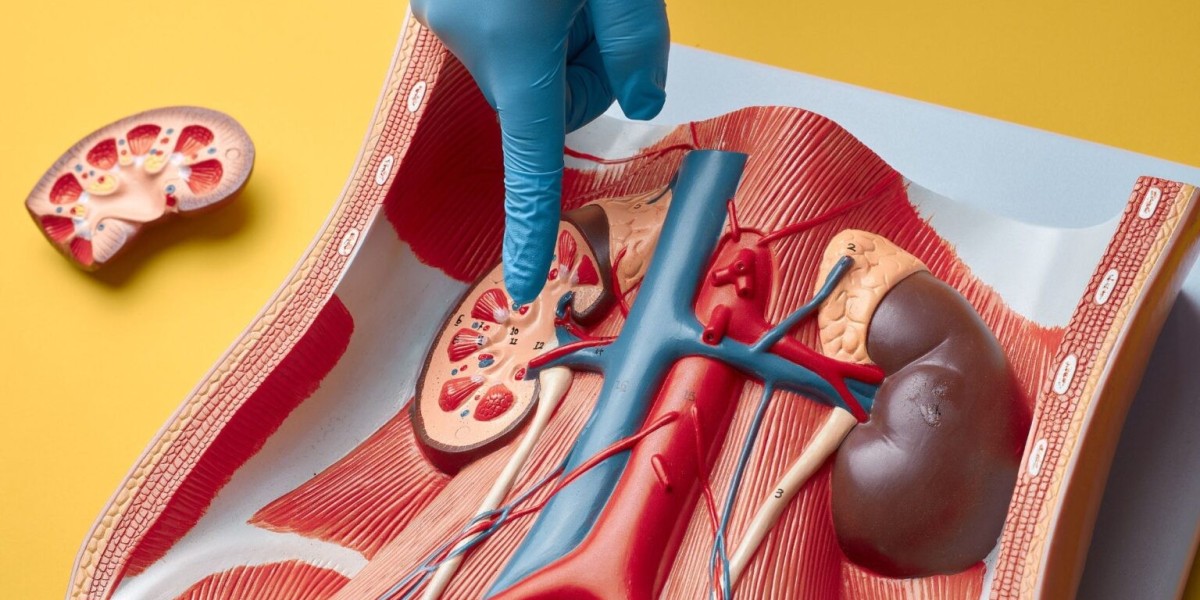

Kidney stones can cause severe pain, urinary problems, and complications if they become large or difficult to pass naturally. Percutaneous Nephrolithotomy (PCNL) is a minimally invasive surgical procedure designed to remove large or complex kidney stones effectively. This advanced treatment helps patients avoid prolonged discomfort and restores normal kidney function with a shorter recovery period.
What Is Percutaneous Nephrolithotomy (PCNL)?
Percutaneous Nephrolithotomy, commonly known as PCNL, is a minimally invasive surgical procedure used to remove large kidney stones through a small incision made in the back. Unlike traditional open surgery, PCNL uses specialized instruments and imaging guidance to access the kidney directly and remove stones.
The procedure is usually recommended for kidney stones that are too large to pass naturally, stones that do not respond to other treatments, or complex stones that occupy multiple areas of the kidney. PCNL allows urologists to break and remove stones efficiently while reducing damage to surrounding tissues.
During PCNL, a small pathway is created from the skin to the kidney. Through this pathway, a thin instrument called a nephroscope is inserted. The surgeon uses this device to locate, break, and remove kidney stones safely.
Why Is PCNL Recommended?
Not every kidney stone requires surgery. Many small stones can pass through the urinary tract with medication, hydration, or other non-invasive treatments. However, PCNL is considered when stones are large, painful, or causing repeated health problems.
A urologist may recommend PCNL in situations such as:
- Kidney stones larger than 2 centimeters
- Multiple stones inside the kidney
- Staghorn kidney stones that cover a large portion of the kidney
- Stones causing blockage of urine flow
- Repeated urinary tract infections due to stones
- Failure of other stone removal treatments
PCNL is particularly beneficial for patients who need complete stone removal in a single procedure rather than undergoing multiple treatments.
How Is the PCNL Procedure Performed?
Before PCNL surgery, the patient undergoes medical evaluation, including imaging tests such as ultrasound, CT scan, or X-rays to determine the size, location, and number of kidney stones. Blood tests and urine tests may also be performed to ensure the patient is ready for surgery.
The procedure is usually performed under general anesthesia, meaning the patient remains asleep and does not feel pain during surgery.
The main steps of PCNL include:
- Creating Access to the Kidney:
The surgeon makes a small incision, usually around 1 centimeter, in the patient’s back. Using imaging guidance, a pathway is created directly into the kidney. - Inserting the Nephroscope:
A nephroscope is passed through the incision to locate the kidney stones. - Breaking the Stones:
Large stones are broken into smaller pieces using advanced energy devices such as laser or ultrasonic technology. - Removing Stone Fragments:
The broken stone pieces are removed through the access pathway. - Completing the Procedure:
In some cases, a temporary drainage tube or stent may be placed to support healing and urine flow.
The duration of PCNL depends on the size and complexity of the stones but generally takes a few hours.
Benefits of Percutaneous Nephrolithotomy
PCNL has become a preferred treatment option for many large kidney stones because of its effectiveness and minimally invasive approach.
Some important benefits include:
High Stone Removal Success Rate
PCNL provides excellent stone clearance, especially for large or complicated kidney stones that may not respond well to other treatments.
Smaller Incision
Compared with traditional kidney stone surgery, PCNL requires only a small incision, resulting in less tissue damage and improved recovery.
Faster Recovery
Most patients recover faster after PCNL compared with open surgical procedures. Hospital stays are usually shorter, and many people return to normal activities within a few weeks.
Suitable for Complex Stones
PCNL can treat stones that are difficult to remove through other methods, including large stones and stones located in challenging areas of the kidney.
Risks and Possible Complications of PCNL
Although PCNL is considered safe, like any surgical procedure, it carries some potential risks. A skilled urologist takes precautions to minimize complications.
Possible risks may include:
- Bleeding after surgery
- Infection
- Fever or urinary infection
- Injury to nearby organs in rare cases
- Temporary difficulty passing urine
- Remaining stone fragments requiring additional treatment
Patients should follow their doctor’s instructions before and after surgery to reduce the risk of complications.
Recovery After PCNL Surgery
Recovery after PCNL varies depending on the patient’s health, stone size, and overall procedure complexity. Most patients stay in the hospital for one to three days after surgery for monitoring.
During recovery, patients may experience mild discomfort around the incision area or temporary blood in urine. These symptoms usually improve gradually.
Doctors may recommend:
- Drinking plenty of fluids
- Taking prescribed medications
- Avoiding heavy physical activities for a few weeks
- Following dietary recommendations to prevent future stones
A follow-up scan may be performed to confirm that all stones have been removed.
PCNL vs Other Kidney Stone Treatments
Several treatments are available for kidney stones, but the best option depends on stone size, location, and patient condition.
Shock Wave Lithotripsy (SWL):
SWL uses sound waves to break stones into smaller pieces that can pass naturally. It is usually suitable for smaller stones.
Ureteroscopy (URS):
URS involves passing a thin scope through the urinary tract to remove stones. It is effective for stones located in the ureter or smaller kidney stones.
PCNL:
PCNL is generally preferred for larger kidney stones because it provides direct access and allows removal of significant stone burdens in one procedure.
A urologist evaluates each patient individually before recommending the most suitable treatment.
Who Is a Good Candidate for PCNL?
Patients with large kidney stones or complex stone conditions are often ideal candidates for PCNL. However, the decision depends on several factors, including kidney function, overall health, and medical history.
A urologist may recommend alternative treatments if PCNL is not suitable due to certain health conditions or risks.
How to Prepare Before PCNL Surgery?
Proper preparation can help ensure a smoother procedure and recovery. Patients may be advised to:
- Inform the doctor about existing medical conditions and medications
- Complete required blood and urine tests
- Stop certain blood-thinning medications if instructed
- Avoid eating or drinking before surgery as advised
- Arrange transportation and post-surgery support
Following medical instructions carefully improves safety and surgical outcomes.
Book Online Appointment With Best Urologist Via InstaCare
If you are experiencing kidney stone problems, persistent pain, urinary difficulties, or have been advised to undergo PCNL, consulting an experienced urologist is an important step. You can book an online appointment with the best urologist via InstaCare to discuss your symptoms, diagnosis, and suitable treatment options from the comfort of your home.
Conclusion
Percutaneous Nephrolithotomy (PCNL) is a modern and effective procedure for removing large and complicated kidney stones. With its minimally invasive approach, high success rate, and faster recovery compared with traditional surgery, PCNL has become a trusted treatment option for many patients.
Early diagnosis and consultation with a qualified urologist can help prevent complications and ensure the right treatment approach. If kidney stones are causing discomfort or affecting your daily life, professional medical guidance can help you achieve better kidney health.
Frequently Asked Questions (FAQs)
1. Is PCNL surgery painful?
PCNL is performed under anesthesia, so patients do not feel pain during the procedure. Mild discomfort or soreness may occur after surgery, which can usually be managed with prescribed medications.
2. How long does recovery take after PCNL?
Most patients recover within two to four weeks after PCNL. The exact recovery time depends on the size of the stone, overall health, and individual healing process.
3. Is PCNL better than laser treatment for kidney stones?
PCNL is usually preferred for larger kidney stones, while laser treatments such as ureteroscopy may be better for smaller stones. A urologist recommends the best option based on the patient’s condition.
4. Can kidney stones come back after PCNL?
Yes, kidney stones can develop again if preventive measures are not followed. Maintaining proper hydration and following dietary advice can reduce the risk of recurrence.
5. How successful is PCNL in removing kidney stones?
PCNL has a high success rate, especially for large or complex kidney stones. Many patients achieve complete stone removal after a single procedure.