
The physical and structural landscape across the Kingdom of Saudi Arabia is undergoing a historic expansion. Driven by national Vision 2030 economic diversification initiatives, massive capital investments in smart cities, renewable energy development, and warehousing expansion, the Saudi Arabia Construction Materials Market serves as a critical foundation for the nation’s ongoing economic and urban transformation. From mega giga-projects to modern transport hubs and residential communities, high-performance building materials remain essential to constructing the Kingdom's future.
Below is an in-depth, data-driven analysis of the Saudi Arabia construction materials market size, core growth drivers, key market segmentation, regional breakdown, competitive landscape, and recent industry developments shaping the sector through 2034.
Market Overview
According to latest market research data from IMARC Group, the Saudi Arabia construction materials market reached a value of USD 55.6 Billion in 2025.
Looking ahead, the market is projected to reach USD 86.3 Billion by 2034, expanding at a steady Compound Annual Growth Rate (CAGR) of 5.00% during the forecast period from 2026 to 2034.
The steady expansion of this industry is tied directly to rapid urbanization, extensive government infrastructure developments driven by Vision 2030, foreign investments, and an upsurge in demand for sustainable construction solutions. Furthermore, expansion in residential housing demand and modern construction technologies contributes significantly to augmenting the Saudi Arabia construction materials market share.
Key Market Growth Drivers
Several strategic investments, infrastructure upgrades, and government policies are accelerating construction material consumption across the Kingdom:
1. Expansion of Smart City Infrastructure
The broadening of smart city infrastructure is positively influencing the market. In February 2025, Diriyah Company deployed the IBM Maximo Application Suite to improve asset management in the USD 63.2 Billion Diriyah Project, which focuses on developing a smart city close to Riyadh. Utilizing AI-based predictive maintenance and continuous monitoring leads to a substantial decrease in downtime and enhanced urban sustainability. Futuristic developments such as NEOM require high-performance materials including precast concrete, glass, composites, and energy-efficient insulation products that emphasize digital integration and modern architecture in alignment with Vision 2030 goals.
2. Broadening of Warehousing and Logistics Hubs
Driven by e-commerce growth and trade diversification under Vision 2030, large-scale logistics parks and distribution centers are being developed to strengthen supply chains. These facilities require durable flooring, roofing, and structural materials to support heavy loads and large-scale storage needs. According to IMARC Group, the Saudi Arabia warehouse market is set to attain USD 2.46 Billion by 2033, exhibiting a CAGR of 8.30% during 2025–2033, positioning the country as a regional trade hub and serving as a major material growth driver.
3. Ongoing Development of Renewable Energy Projects
The rise of solar and wind farms in Saudi Arabia is strongly driving material demand. In July 2025, the Minister of Energy, ACWA Power, the Water and Electricity Holding Company (Badeel), and Saudi Aramco Power Company (SAPCO) formalized power purchase agreements (PPAs) for seven new renewable energy initiatives with the Saudi Power Procurement Company (SPPC). Valued at around USD 8.3 Billion (SAR 31 Billion), these initiatives will provide 15,000 megawatts of capacity (12,000 MW solar PV and 3,000 MW wind), requiring vast quantities of glass, aluminum frames, steel, concrete, and composite foundation materials.
4. Investments in Oil and Gas Infrastructure
Continued spending on oil and gas infrastructure is propelling market growth as the Kingdom strengthens its position as a global energy leader. Massive investments directed toward refineries, petrochemical complexes, pipelines, and export terminals require substantial quantities of steel, cement, concrete, and advanced corrosion-resistant composites to withstand harsh operating environments.
Explore in-depth findings for this market:
https://www.imarcgroup.com/saudi-arabia-construction-materials-market/requestsample
Key Market Segmentation
The Saudi Arabian construction materials market is categorized across two core dimensions: material type and end user.
Breakup by Material Type
- Aggregate: Essential baseline raw material used for concrete mixing, road bases, and heavy structural foundations across civil engineering projects.
- Cement: Primary binding agent crucial for structural building elements, precast units, and general concrete applications.
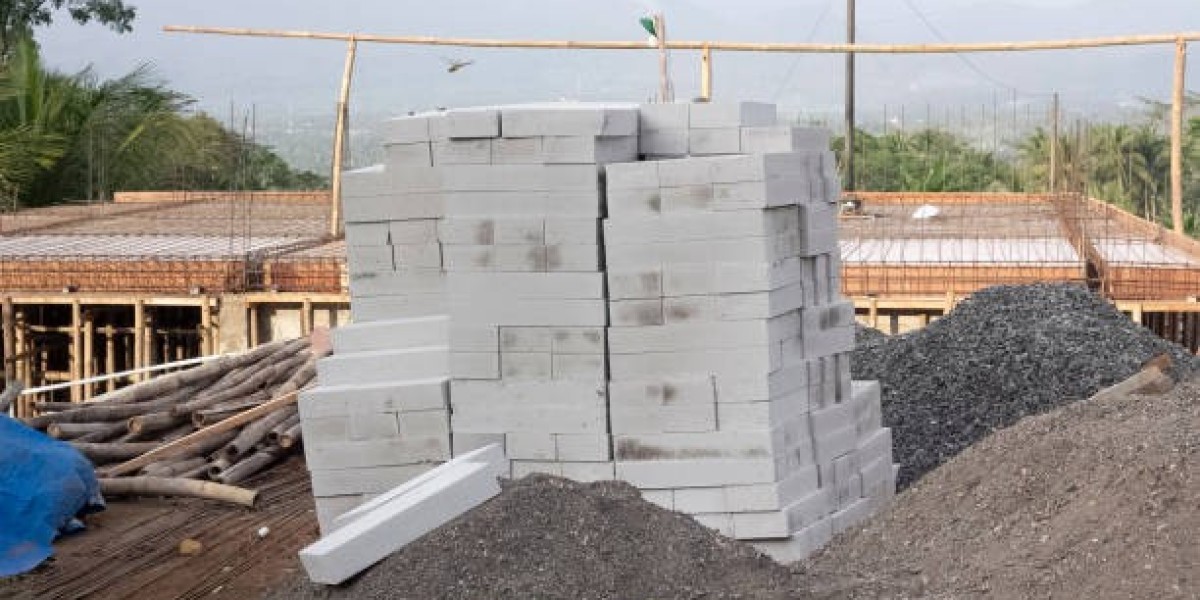
- Bricks and Blocks: Fundamental structural units heavily consumed across residential housing and commercial masonry works.
- Metals: Encompasses structural steel, rebar, aluminum frameworks, and metal claddings critical for load-bearing frameworks.
- Others: Includes specialized construction products such as glass, insulation materials, tiles, paints, and composites.
Breakup by End User
- Residential: Driven by rising population growth, urban migration, and government housing initiatives aimed at expanding homeownership.
- Infrastructure: Encompasses major public works projects including Roads, Bridges, and Waste Management utility networks essential for national connectivity.
- Commercial: Covers retail centers, office complexes, hospitality developments, and mixed-use commercial hubs.
- Industrial: Includes manufacturing plants, petrochemical facilities, distribution centers, and heavy industrial warehouses.
Breakup by Region (Regional Distribution Across Saudi Arabia)
Demand for construction materials is distributed across four principal regional geographic markets in the Kingdom:
- Northern and Central Region: Anchored by the capital city of Riyadh, this region experiences high material consumption driven by major urban expansion projects, corporate real estate, and government infrastructure initiatives like the Diriyah project and Sedra community.
- Western Region: Driven by coastal developments, tourism projects, and urban housing expansions across Jeddah, Mecca, Medina, and the Tabuk Province (incorporating NEOM).
- Eastern Region: Concentrated around industrial, energy, and logistics hubs in Dammam, Jubail, and Khobar, generating heavy demand for specialized industrial materials.
- Southern Region: An expanding growth zone benefiting from regional infrastructure development, transport network upgrades, and local housing investments.
Ask For Report Customization:
https://www.imarcgroup.com/request?type=report&id=34974&flag=E
Competitive Landscape: Key Players in the Market
The competitive structure of the Saudi Arabia construction materials market features a mix of established domestic manufacturers, sovereign wealth fund joint ventures, and international technology partners. Key players focus on expanding production capacity, enhancing local supply chains, and adopting low-carbon manufacturing technologies.
Competitive analysis in the industry market report evaluates market structure, key player positioning, top winning strategies, competitive dashboards, and company evaluation quadrants to assess market rivalry.
Recent News & Strategic Developments
- February 2025: The Saudi sovereign wealth fund (PIF) announced significant investments, including acquiring a 30% ownership in Masdar Building Materials Co. and entering a USD 1.5 Billion (USD 400.5 Million) agreement to construct the Riyadh Sedra community. This initiative aims to strengthen local supply chains, emphasize key materials, and enhance the localization of advanced skills.
- October 2024: Saudi building materials firm Asas Al-Mohileb revealed plans to construct a concrete plant complex valued at USD 186 Million as part of the extensive NEOM development initiative in the Tabuk Province. The facility features multiple plants incorporating carbon capture and utilization technology to produce concrete for THE LINE's foundational and elevated structures.
- September 2024: Aramco entered into a five-year strategic Cooperation Framework Agreement with China National Building Material Group (CNBM) to explore collaborative prospects in advanced materials and industrial growth, including setting up production in Saudi Arabia for wind turbine blades, hydrogen storage solutions, and sustainable construction materials.
About Us:
IMARC Group is a global management consulting firm that helps the world's most ambitious changemakers to create a lasting impact. The company provide a comprehensive suite of market entry and expansion services. IMARC offerings include thorough market assessment, feasibility studies, company incorporation assistance, factory setup support, regulatory approvals and licensing navigation, branding, marketing and sales strategies, competitive landscape and benchmarking analyses, pricing and cost research, and procurement research.
Contact Us:
IMARC Group‚
134 N 4th St‚ Brooklyn‚ NY 11249‚ US
Email: sales@imarcgroup․com
Tel No: (D) +91 120 433 0800
United States: (+1–201–971–6302)