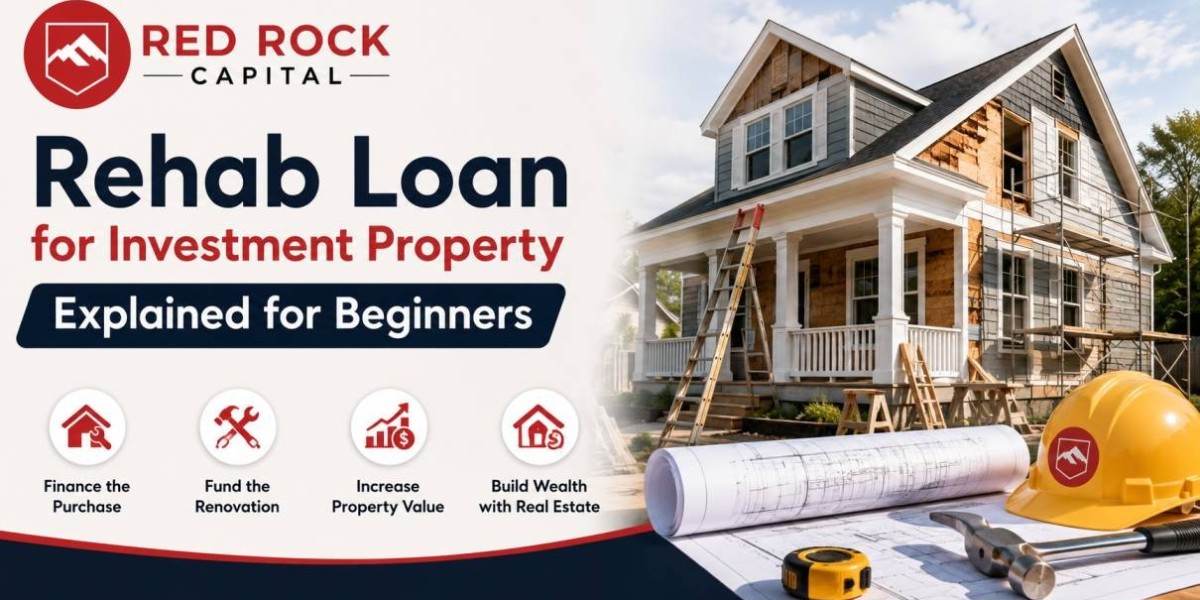

Buying an investment property that needs repairs can be a smart way to build wealth, but paying for both the purchase and the renovation isn't always easy. Many investors discover that traditional mortgage programs aren't designed for properties in poor condition or projects that require quick funding. That's where a rehab loan for investment property can make a real difference.
Whether you're planning your first fix-and-flip project or looking to add a rental property to your portfolio, understanding how rehab financing works can help you choose the right funding option. This guide explains the basics, benefits, qualification factors, and situations where these loans are commonly used.
What Is a Rehab Loan for an Investment Property?
A rehab loan is a financing solution that combines the cost of purchasing an investment property with the estimated renovation expenses. Instead of applying for separate loans, investors can often finance both under a single loan program.
These loans are commonly used for properties that need cosmetic updates, structural repairs, or complete renovations before they can be rented or sold. Since the property's value often increases after improvements, many lenders evaluate both its current condition and its projected value after the work is completed.
For investors, this type of financing can simplify the purchasing process and provide access to properties that may not qualify for conventional mortgage programs.
Why Investors Use Rehab Financing
Real estate investors often compete for distressed or undervalued properties. These opportunities usually require fast action, and waiting weeks for traditional financing may result in losing the deal.
A rehab loan offers several practical advantages:
- Finance both the purchase price and renovation costs.
- Faster approvals compared to many conventional loan programs.
- Access to properties that need repairs.
- Increased flexibility for investment strategies.
- Potential to improve property value through renovations.
These benefits make rehab financing a popular choice for investors focused on adding value to residential properties.
How the Loan Process Works
Although every lender follows its own guidelines, the process is generally straightforward.
1. Find the Right Property
The first step is identifying an investment property with renovation potential. Investors usually evaluate purchase price, repair costs, neighborhood demand, and expected resale or rental value.
2. Estimate Renovation Costs
A detailed renovation plan is created to outline the scope of work. Contractors often provide estimates that help determine the amount of financing required.
3. Submit a Loan Application
The lender reviews the property details, renovation budget, investment strategy, and supporting documents before making a lending decision.
4. Loan Approval and Closing
Once approved, the purchase can move forward. Renovation funds are commonly placed into a draw account and released as construction milestones are completed.
5. Complete the Renovation
After the improvements are finished, investors may choose to sell the property for a profit, refinance into a long-term loan, or keep it as a rental investment.
Types of Properties That Qualify
Many different property types may qualify for rehab financing, depending on the lender's guidelines.
Common examples include:
- Single-family homes
- Duplexes
- Small multifamily properties
- Foreclosures
- Vacant homes
- Properties needing cosmetic updates
- Homes requiring major renovations
The property's condition, location, and investment potential all play an important role during the approval process.
Who Can Benefit?
A rehab loan isn't only for experienced investors. It may also benefit individuals entering real estate investing for the first time.
Typical borrowers include:
- Fix-and-flip investors
- Rental property owners
- BRRRR strategy investors
- Self-employed real estate investors
- Property developers
- Investors purchasing distressed properties
Having a clear investment plan and realistic renovation budget can improve the chances of a successful project.
Understanding Loan Approval
Unlike many traditional mortgages, rehab financing often places greater emphasis on the investment itself.
Lenders commonly review:
- Property value
- Estimated after-repair value (ARV)
- Loan-to-value ratio
- Renovation budget
- Borrower's investment experience
- Exit strategy
Some lenders may also consider credit history and available funds for closing costs, although requirements vary.
Common Investment Strategies
Rehab financing supports several popular real estate investment approaches.
Fix and Flip
Investors purchase a property below market value, renovate it, and sell it after increasing its value.
Buy, Rehab, Rent, Refinance
Often called the BRRRR strategy, this approach involves purchasing a property, completing renovations, renting it to tenants, refinancing, and using the proceeds to purchase another investment.
Long-Term Rental
Some investors renovate older homes before adding them to their rental portfolio. Improvements can increase rental income while reducing future maintenance costs.
Tips for First-Time Investors
If you're new to rehab financing, careful planning can make a significant difference.
Keep these best practices in mind:
- Research local real estate market trends.
- Create a realistic renovation budget with contingency funds.
- Work with experienced contractors.
- Avoid over-improving the property for the neighborhood.
- Calculate holding costs before purchasing.
- Understand the loan terms before signing any agreement.
Successful projects usually begin with accurate budgeting and disciplined decision-making rather than simply finding the lowest purchase price.
Final Thoughts
A rehab loan for investment property can be an effective financing solution for investors looking to purchase and improve residential real estate. By combining acquisition and renovation costs into one loan, it provides flexibility for a wide range of investment strategies, from fix-and-flip projects to long-term rental properties.
Before moving forward, compare available loan programs, estimate renovation costs carefully, and choose financing that aligns with your investment goals. Taking time to understand the process can help reduce unexpected expenses and improve the likelihood of a successful real estate investment.