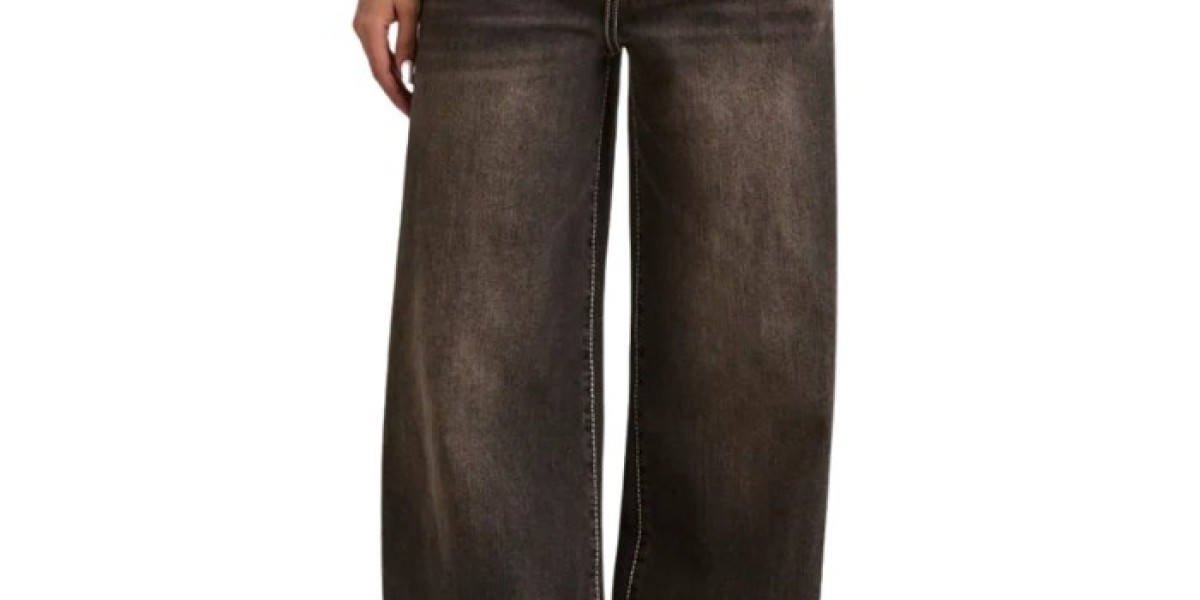

Streetwear has always borrowed from denim culture, and True Religion jeans have been part of that conversation for close to two decades. The brand built its name on thick contrast stitching, horseshoe pockets, and a silhouette that looked equally at home on a skateboard ramp or a red carpet. For anyone building a streetwear wardrobe today, understanding how these jeans fit into the broader picture matters more than just buying a pair because a logo is recognizable.
I have spent years mixing denim into casual outfits, and one thing I have learned is that a good pair of jeans is really about proportion and fabric weight, not just the label sewn on the back pocket. True Religion jeans tend to sit heavier than typical fast fashion denim, which gives them a bit more structure when paired with oversized hoodies, bomber jackets, or chunky sneakers. That weight is part of why the brand became a staple in early 2000s hip hop fashion and why it keeps resurfacing in modern streetwear rotations.
Why the Fit Matters More Than the Logo
When people search for True Religion jeans to complete a streetwear look, they often focus on branding first and fit second. That order should be reversed. A baggy silhouette pairs naturally with the oversized tops that dominate current streetwear trends, while a slim or bootcut style can feel dated next to a loose graphic tee. True Religion has produced both extremes over the years, so knowing which era or cut you are looking at changes how the jeans will actually read on your body.
Straight leg cuts with a slightly relaxed thigh tend to work best for layering. They leave enough room to cuff the hem over high top sneakers without bunching awkwardly. Bootcut styles, which were once the brand's signature, can look a little out of place in a modern streetwear outfit unless the rest of the fit is deliberately retro, like pairing them with a fitted varsity jacket or throwback sneakers.
Wash and Stitching Details Worth Noticing
One reason collectors still hunt for older True Religion pairs is the stitching detail. The oversized contrast thread on the back pockets was never subtle, and that is exactly the point. In streetwear, small design signatures often carry more weight than an entire outfit built around a single trend. A medium blue wash with visible horseshoe stitching gives an outfit a lived in, slightly nostalgic feel without looking costume like.
Darker washes tend to photograph cleaner and work better for layered looks involving black outerwear, since they do not compete visually with graphic prints or patches. Lighter washes read more casual and pair naturally with neutral tones, tan jackets, off white sneakers, and simple crewnecks.
Building an Outfit Around the Jeans
Streetwear outfits usually work best when one piece anchors the look and everything else supports it. If the jeans have visible branding or heavy stitching, keep the top half simple. A plain hoodie, a basic long sleeve, or a solid crewneck lets the denim do the talking. If you are wearing a graphic heavy top or a jacket with patches, a plainer wash on the jeans balances the outfit instead of overwhelming it.
Footwear matters just as much. Chunky sneakers or high tops tend to match the slightly heavier build of these jeans better than minimal low profile shoes. Cuffing the hem slightly is a small trick that instantly makes an outfit look more intentional rather than like the jeans were simply too long.
What to Check Before Buying
Denim weight, stitching quality, and fit consistency vary depending on when a particular pair was produced, since the brand has gone through different ownership and manufacturing periods. Checking https://truereligionn.us/ fabric composition helps set expectations. Jeans with a small percentage of stretch fabric tend to hold their shape better through daily wear, while pure cotton denim will soften and fade with time, which some people actually prefer for a more worn in streetwear aesthetic.
Sizing can run differently across cuts, so relying on the size printed on the tag alone is not always reliable. Checking actual waist and inseam measurements against your own body, rather than assuming your usual size, avoids most fit disappointments. This is especially true for anyone shopping secondhand, where washing and shrinkage over time can shift measurements slightly from the original spec.
Caring for the Denim Long Term
Heavier denim with contrast stitching holds up well if it is washed less frequently and turned inside out before going into the machine. Frequent washing fades the contrast thread faster than the surrounding fabric, which can make the stitching look uneven over time. Air drying instead of machine drying also helps preserve the shape of the leg and prevents the fabric from becoming stiff.
For anyone building a long term streetwear collection, treating a good pair of jeans as a durable piece rather than a disposable trend item tends to pay off. Denim that is cared for properly can last for years and often becomes more interesting looking as it breaks in naturally around the knees and pockets.
Final Thoughts
Streetwear is ultimately about combining pieces that feel authentic to a personal style rather than chasing every trend cycle. True Religion jeans carry enough history and design identity that they can anchor a casual outfit or a more curated streetwear look, depending on how they are styled. Paying attention to fit, wash, and fabric weight, rather than just recognizing the stitching from a distance, is what separates an outfit that looks put together from one that just looks like it is wearing a label.
FAQs
Are True Religion jeans good for streetwear outfits? Yes, especially heavier washes with visible stitching, since they pair well with oversized layers and chunky sneakers common in streetwear looks.
What fit works best for a modern streetwear look? Straight leg or slightly relaxed cuts tend to work better than bootcut styles for pairing with oversized tops and current sneaker trends.
How should I care for heavily stitched denim? Wash less often, turn the jeans inside out, and air dry them to protect the contrast stitching and keep the fabric from stiffening.