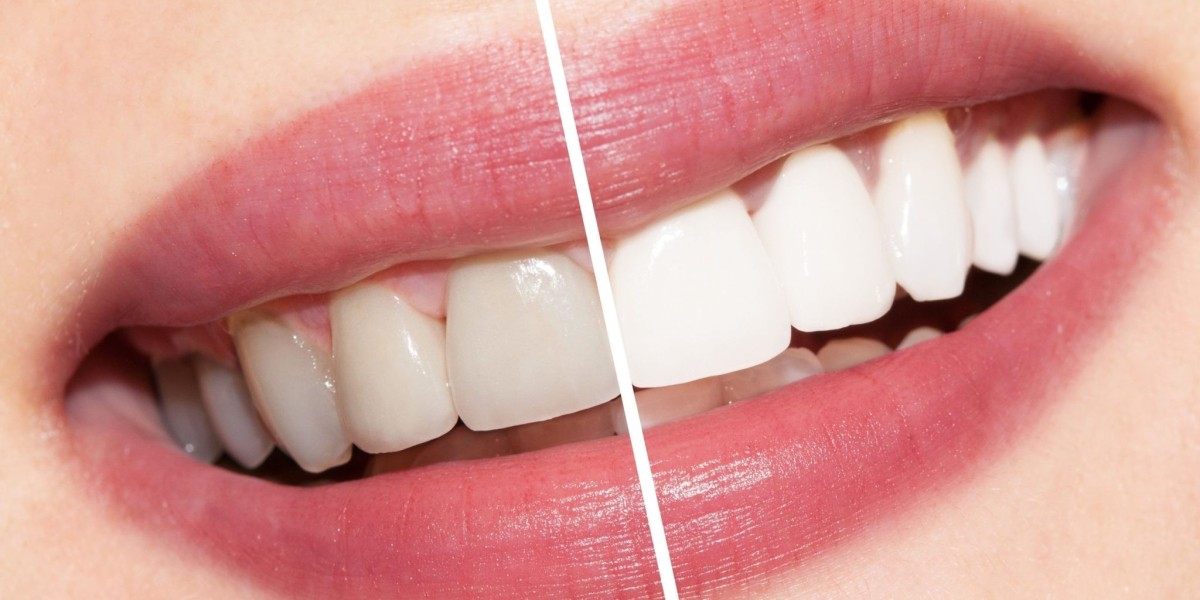

Teeth whitening is one of the most popular cosmetic dental treatments, helping people achieve a brighter and more confident smile. A common question many patients ask is, "Is teeth whitening once a year safe?" For most people with healthy teeth and gums, the answer is yes. Having professional teeth whitening once a year is generally considered safe when performed under the supervision of a qualified dentist.
The key to safe whitening is using professional products, following your dentist's recommendations, and maintaining good oral hygiene between treatments.
How Does Teeth Whitening Work?
Teeth whitening uses bleaching agents such as hydrogen peroxide or carbamide peroxide to break down stains within the enamel and dentin. These whitening agents lift discoloration caused by:
- Coffee
- Tea
- Red wine
- Smoking
- Aging
- Certain foods
Professional whitening treatments are carefully controlled to brighten your smile without damaging healthy tooth enamel.
Is Annual Teeth Whitening Recommended?
For many patients, whitening once a year is enough to maintain a bright smile. Since whitening results typically last between six months and three years, depending on your lifestyle, an annual treatment is often sufficient.
Your dentist may recommend whitening more or less frequently based on factors such as:
- Your natural tooth color
- Your eating and drinking habits
- Whether you smoke
- Your level of tooth sensitivity
- Previous whitening treatments
Does Whitening Once a Year Damage Enamel?
No. Professional teeth whitening performed once a year does not weaken or damage healthy enamel.
Modern whitening products are designed to safely remove stains without changing the structure of the tooth. While the whitening gel temporarily opens tiny pores in the enamel to lift stains, these pores naturally close again after treatment.
Temporary Side Effects
Although yearly whitening is generally safe, some people experience temporary side effects.
These may include:
Tooth Sensitivity
Temporary sensitivity is the most common side effect.
You may notice discomfort when consuming:
- Cold drinks
- Ice cream
- Hot beverages
- Sweet foods
This usually disappears within a few days.
Gum Irritation
If whitening gel comes into contact with the gums, mild irritation may occur. Professional dentists use protective barriers to minimize this risk.
Mild Discomfort
Some patients experience slight tingling or aching during treatment, but these sensations are temporary.
Who Is a Good Candidate for Annual Whitening?
Annual teeth whitening is usually suitable for adults who have:
- Healthy teeth
- Healthy gums
- Good oral hygiene
- No untreated cavities
- No active gum disease
A dental examination before whitening helps ensure the treatment is appropriate.
Who Should Avoid Whitening?
Teeth whitening may need to be postponed if you have:
- Untreated tooth decay
- Gum disease
- Cracked teeth
- Severe tooth sensitivity
- Worn enamel
- Exposed tooth roots
Pregnant or breastfeeding women should consult their dentist before undergoing cosmetic whitening.
Professional Whitening vs. At-Home Products
Professional whitening offers several advantages over over-the-counter products.
Professional Treatment
Benefits include:
- Stronger whitening agents
- Faster results
- Even whitening
- Customized treatment
- Reduced risk of sensitivity
- Professional supervision
Over-the-Counter Whitening
Products such as whitening strips and toothpaste may help with mild stains but often require repeated use and may increase sensitivity if overused.
Can Whitening Be Done More Than Once a Year?
Yes, but only if recommended by your dentist.
Some patients choose touch-up treatments every six months, particularly if they:
- Drink coffee daily
- Smoke
- Frequently consume staining foods
- Want to maintain a very bright smile
Your dentist can recommend a schedule that protects your enamel while maintaining your desired shade.
How to Make Whitening Results Last Longer
Proper aftercare helps reduce the need for frequent whitening.
Brush Twice Daily
Use fluoride toothpaste and brush for at least two minutes.
Floss Every Day
Floss removes plaque between teeth where stains often develop.
Limit Staining Foods and Drinks
Reduce your intake of:
- Coffee
- Tea
- Red wine
- Cola
- Curry
- Dark berries
Drink Water Frequently
Water rinses away food particles and helps prevent stains.
Avoid Smoking
Tobacco is one of the leading causes of yellow teeth and can significantly shorten whitening results.
Visit Your Dentist Regularly
Professional cleanings remove surface stains and help maintain your smile.
Can Whitening Replace Professional Cleanings?
No. Teeth whitening is a cosmetic procedure, while dental cleanings are necessary for maintaining oral health.
Regular cleanings remove:
- Plaque
- Tartar
- Surface stains
- Harmful bacteria
Whitening works best on clean, healthy teeth.
Signs You Should Delay Whitening
You should consult your dentist before whitening if you experience:
- Persistent tooth pain
- Bleeding gums
- Loose teeth
- Broken fillings
- Increased sensitivity
Treating these problems first ensures safer whitening and better long-term results.
The Importance of Professional Advice
Every smile is different. Your dentist will evaluate your teeth, discuss your goals, and determine whether annual whitening is the best option for you.
Professional guidance also helps avoid overuse of whitening products, which may increase sensitivity and reduce comfort.
Conclusion
So, is teeth whitening once a year safe? For most people with healthy teeth and gums, yes. Annual professional whitening is considered a safe and effective way to maintain a brighter smile without damaging enamel. Temporary sensitivity or mild gum irritation may occur, but these side effects usually resolve quickly. By following your dentist's recommendations, maintaining good oral hygiene, and limiting stain-causing foods and drinks, you can enjoy long-lasting whitening results while keeping your teeth healthy and strong.