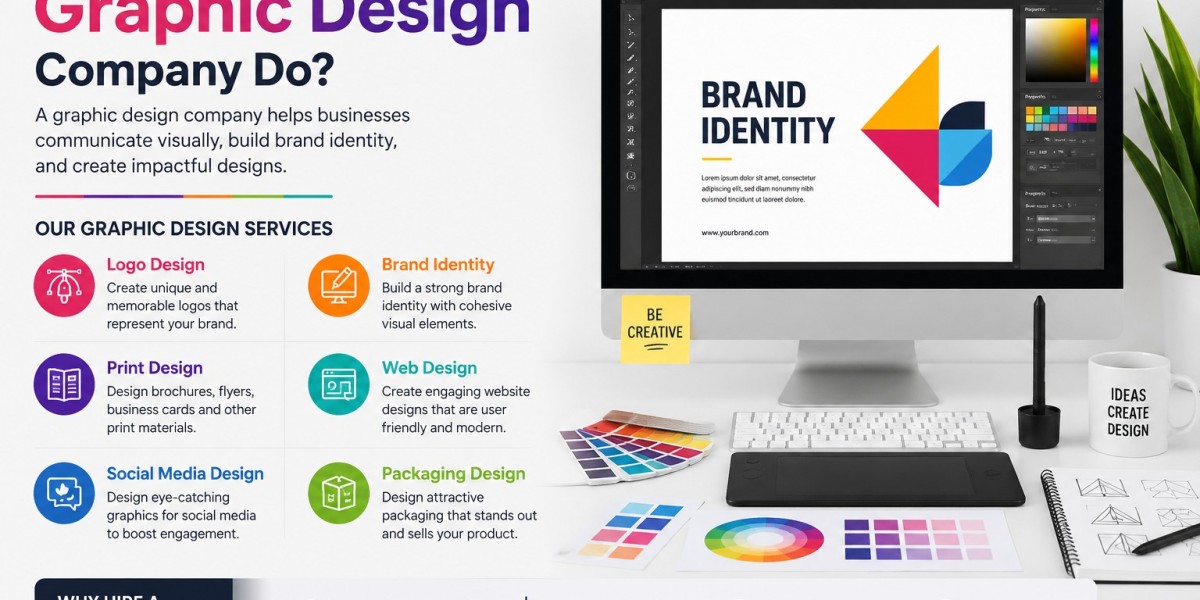

In today's visually driven marketplace, businesses of every size rely on strong design to communicate who they are, what they offer, and why customers should care. A graphic design company sits at the center of that communication, translating ideas, products, and brand values into visuals that people instantly understand and remember. But the role of a graphic design company goes far beyond making things "look nice." It is a strategic partner that shapes how a brand is perceived across every touchpoint, from a business card to a billboard, from a website to a product package.
This article breaks down exactly what a graphic design company does, the services it typically offers, and why partnering with one can make a measurable difference to a business's growth.
Understanding the Role of a Graphic Design Company
At its core, a graphic design company combines creativity with strategy to solve visual communication problems. Every project starts with a goal: increase brand recognition, launch a new product, improve user experience, or simply make a message clearer. Designers then use typography, color, imagery, layout, and composition to achieve that goal in a way that resonates with the intended audience.
Unlike a freelance designer working alone, a design company usually brings together a team of specialists — brand strategists, illustrators, UI/UX designers, motion graphics artists, and print production experts — who collaborate to deliver a consistent, polished result across multiple formats. This team-based structure allows a design company to handle both small projects, like a single logo, and large, multi-channel campaigns that require consistency across dozens of assets.
Core Services Offered by Graphic Design Companies
Brand Identity Design
One of the most fundamental services a graphic design company provides is brand identity design. This includes creating logos, choosing brand colors, selecting typography, and developing visual guidelines that ensure consistency wherever the brand appears. A strong identity system helps customers recognize a business at a glance, whether they see it on a storefront sign or a social media post.
Brand identity work often includes creating a full brand style guide — a rulebook that documents how logos should be used, which color combinations are approved, what fonts to use for headings versus body text, and how imagery should be styled. This guide becomes the reference point for every future design decision, keeping the brand cohesive as it grows.
Marketing and Advertising Materials
Design companies also produce the visual assets businesses need to promote themselves. This includes brochures, flyers, posters, banner ads, email templates, and social media graphics. These materials need to grab attention quickly while staying true to the brand's established identity, which is why marketing design is often handled by the same team responsible for brand identity.
Good marketing design does more than look attractive — it's built around persuasion. Designers think carefully about visual hierarchy, ensuring the most important message is the first thing a viewer notices, and about calls-to-action, making sure it's clear what the viewer should do next.
Packaging Design
For product-based businesses, packaging design is often one of the most valuable services a graphic design company offers. Packaging is frequently the first physical interaction a customer has with a brand, so it needs to communicate quality, personality, and product information all at once. Designers consider the practical constraints of manufacturing and shelf presentation alongside aesthetic goals, producing packaging that stands out in a crowded retail environment while remaining functional and cost-effective to produce.
Web and Digital Design
Many graphic design companies also offer web design and user interface (UI) design services. This can range from designing the visual layout of a website to creating full user experience (UX) flows for apps and digital products. Because so much business happens online, digital design has become one of the fastest-growing areas within the design industry.
Digital designers focus on more than visual appeal; they consider usability, accessibility, and how design choices affect conversion rates. A well-designed website or app interface can directly impact how long visitors stay on a page, how easily they complete a purchase, and how likely they are to return.
Print Design and Production
Despite the rise of digital media, print design remains an important part of many design companies' offerings. This includes business cards, letterheads, signage, catalogs, and event materials. Print design requires specific technical knowledge — understanding color profiles, paper stock, bleed margins, and printing methods — to ensure the final product looks as intended once it leaves the screen and becomes a physical object.
Motion Graphics and Video
As video content continues to dominate social media and advertising, many graphic design companies have expanded into motion graphics. This includes animated logos, explainer videos, social media video ads, and animated infographics. Motion design blends traditional design principles with animation techniques to create content that captures attention in fast-scrolling digital feeds.
The Strategic Process Behind Great Design
A graphic design company doesn't simply jump straight into creating visuals. Most reputable firms follow a structured process to ensure the final work actually serves the client's business goals.
Discovery and Research
Before any design work begins, designers typically conduct research into the client's industry, competitors, and target audience. This phase might involve reviewing existing brand materials, studying competitor visuals, and discussing business objectives with the client. The goal is to understand not just what the client wants, but what will genuinely work for their audience.
Concept Development
Once research is complete, designers begin sketching ideas and developing initial concepts. This stage often includes mood boards, rough logo sketches, or wireframes, depending on the project. Multiple concepts are usually presented to the client so they can provide feedback before the design moves forward.
Refinement and Feedback
Design is rarely a one-shot process. After initial concepts are shared, there's typically a round (or several rounds) of revisions based on client feedback. This collaborative back-and-forth ensures the final design aligns with the client's vision while still following sound design principles.
Final Delivery and File Preparation
Once a design is approved, the design company prepares final files in the appropriate formats for their intended use — whether that's high-resolution files for printing, optimized files for web use, or vector files that can be resized without losing quality. Many companies also provide a style guide or brand book alongside the final deliverables so the client can maintain consistency in future materials.
Why Businesses Partner With Graphic Design Companies
Professional Quality and Consistency
While anyone with design software can attempt to create a logo or flyer, professional design companies bring years of training and experience that result in more polished, effective visuals. They also ensure consistency across every asset, which builds trust and recognition over time.
Time and Resource Savings
Hiring a design company allows business owners to focus on running their business instead of learning design software or struggling with visual decisions outside their expertise. A dedicated team can produce professional results far faster than someone doing it as a side task.
Strategic Thinking
Because design companies work across many industries and clients, they bring outside perspective and strategic insight that an internal team might lack. They understand current design trends, audience psychology, and what tends to perform well across various platforms.
Scalability
As a business grows, its design needs grow too. A design company can scale services up or down depending on project demands, whether that means producing a single logo for a startup or managing a full multi-channel campaign for an established brand.
Conclusion
A graphic design company does far more than create attractive visuals — it builds and protects the visual voice of a business. From brand identity and marketing materials to packaging, digital design, and motion graphics, these companies combine creativity with strategic thinking to help businesses communicate clearly and stand out in competitive markets. For any business looking to build trust, recognition, and a lasting impression with its audience, partnering with a skilled graphic design company is often one of the smartest investments it can make.