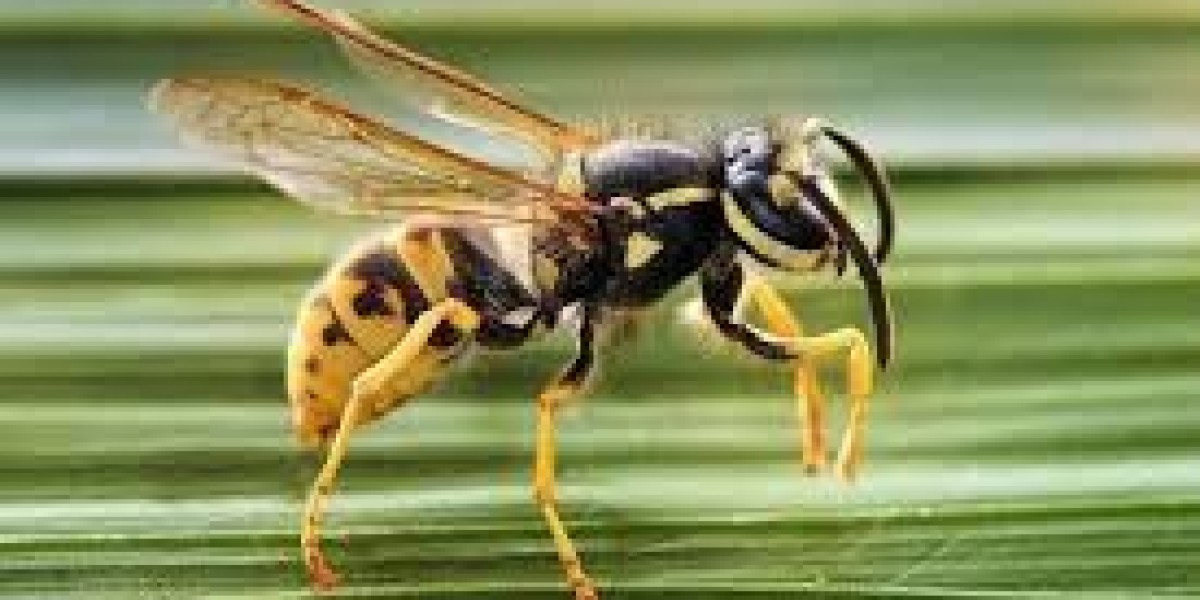

Melbourne is home to a wide variety of native bee species that play an essential role in pollinating gardens, parks, and natural bushland. Among these fascinating insects are masked bees, small native pollinators that often go unnoticed because of their size and gentle nature. While many people mistake them for pests, masked bees are generally beneficial and rarely pose a threat to people or pets.
However, if bees begin nesting around your home or business, it's important to understand what species you're dealing with before taking any action. Professional bees control Melbourne services can accurately identify native bees, assess any potential risks, and recommend safe, environmentally responsible solutions that protect both your property and Australia's valuable pollinators.
What Are Masked Bees?
Masked bees belong to the Hylaeus genus and are among Australia's native bee species. Unlike honey bees, they do not carry large amounts of pollen on their legs. Instead, they transport pollen internally, making them unique among many other bee species.
These bees are typically:
- Small and slender in appearance
- Black with distinctive white or yellow facial markings
- Solitary rather than living in large colonies
- Excellent pollinators of native plants and garden flowers
- Active during the warmer months of the year
Because of their small size, they are often mistaken for tiny wasps, but they are harmless pollinators that contribute significantly to Melbourne's biodiversity.
Why Are They Called Masked Bees?
Masked bees get their name from the pale markings on their faces, which resemble a small mask. Male bees usually have more noticeable white or cream-coloured facial markings, while females tend to have subtler patterns.
Although their appearance may seem unusual, these markings simply help distinguish them from other native bee species.
Where Are Masked Bees Found in Melbourne?
Masked bee Melbourne sightings are common in residential gardens, parks, reserves, and bushland where flowering plants are abundant.
You may find them around:
- Native flowering shrubs
- Backyard vegetable gardens
- Public parks
- Nature reserves
- Flowering trees
- Commercial landscapes
Their presence is often a sign of a healthy environment because they rely on diverse plant life for nectar and pollen.
Are Masked Bees Harmful?
The simple answer is no. Masked bees are considered one of the least aggressive native bee species.
Unlike social bees that protect large colonies, masked bees are solitary insects. Since they do not have a hive to defend, they rarely sting people. In fact, most homeowners can safely observe them from a distance without any issues.
They generally become a concern only if:
- They nest in high-traffic areas.
- Large numbers gather around building cavities.
- Occupants have severe bee sting allergies.
- Bee activity creates concern for customers or visitors.
In these situations, a professional assessment is recommended.
Where Do Masked Bees Nest?
Masked bees prefer small natural cavities rather than building large hives.
Common nesting locations include:
- Hollow plant stems
- Timber fencing
- Cracks in wooden structures
- Small holes in brickwork
- Garden furniture
- Dead tree branches
Because their nests are often hidden, homeowners may only notice increased bee activity around one particular location.
Why Professional Identification Is Important
Many native bees look similar to one another. Without experience, it can be difficult to tell the difference between masked bees, honey bees, blue banded bees, or other solitary species.
Professional bees control Melbourne technicians can:
- Correctly identify the bee species.
- Locate hidden nesting sites.
- Assess potential safety risks.
- Recommend the most appropriate management strategy.
- Protect beneficial native pollinators whenever possible.
Proper identification prevents unnecessary removal and supports environmentally responsible pest management.
When Should You Arrange Professional Bee Removal?
Although masked bees rarely require removal, there are situations where professional assistance is the safest option.
Consider arranging an inspection if:
- Bees are nesting inside your home or roof.
- Activity increases significantly over time.
- The nest is near doorways or windows.
- Family members have bee sting allergies.
- Children or pets regularly use the area.
- The bee species cannot be identified.
For residents requiring bee removal Campbellfield, early inspections can prevent bee activity from becoming a larger issue, particularly around homes, warehouses, and commercial properties.
Similarly, homeowners seeking bees removal Moonee Ponds can benefit from professional inspections that identify nesting sites before they become difficult to access.
Why DIY Bee Removal Is Not Recommended
Attempting to remove native bees without proper knowledge can create unnecessary risks.
DIY methods may:
- Harm protected native bee species.
- Cause accidental stings.
- Fail to remove the nesting site completely.
- Encourage bees to relocate elsewhere on the property.
- Damage walls, timber, or garden structures.
Professional technicians use safe techniques that prioritise both property protection and environmental responsibility.
How to Reduce Bee Activity Around Your Property
While bees are beneficial insects, there are practical ways to discourage nesting close to your home.
Helpful prevention tips include:
- Seal unnecessary gaps and openings in buildings.
- Repair damaged timber fencing.
- Remove decaying wood where practical.
- Maintain gardens regularly.
- Inspect outdoor structures each season.
- Arrange routine bees control Melbourne inspections if you've experienced previous bee activity.
These simple measures can reduce the likelihood of bees establishing nests in unwanted locations.
The Importance of Protecting Native Bees
Native bees, including masked bees, are essential pollinators that support Melbourne's ecosystems. They help native plants reproduce, contribute to healthy gardens, and play an important role in local biodiversity.
Whenever possible, professional bee specialists recommend safe relocation or minimal-impact management strategies rather than unnecessary destruction.
Responsible bee management helps balance property safety with environmental conservation.
Key Takeaways
- Masked bees are gentle native Australian pollinators.
- They are generally harmless and rarely sting.
- They prefer nesting in small natural cavities.
- Professional bees control Melbourne services ensure accurate species identification.
- Early inspections help manage bee activity safely.
- Responsible bee management protects both people and native pollinators.
Conclusion
Masked bees are an important part of Melbourne's natural environment and should not automatically be considered pests. Their calm behaviour and valuable pollination work make them beneficial visitors in many gardens. However, when they nest close to homes or businesses, professional advice can help determine the safest and most appropriate course of action.
Whether you require expert bees control Melbourne, reliable bee removal Campbellfield, or professional bees removal Moonee Ponds, experienced bee specialists can provide safe, environmentally responsible solutions tailored to your property's needs while helping protect Australia's valuable native bee populations.