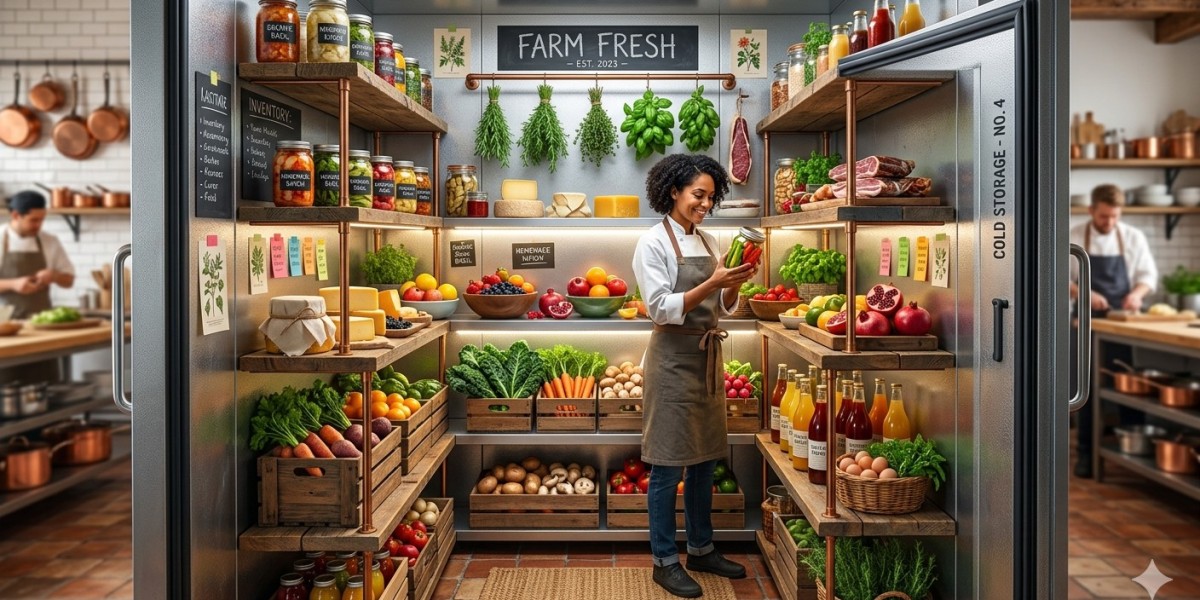

It needs ongoing practice, collaboration, creativity and discipline. Right before joining the top culinary arts colleges in India, learners must understand what the programme has in store. Knowing these realities can help prepare for a rewarding and thriving career in the hospitality and food sector. This blog explains things that no one tells you about the culinary institutes in India.
Culinary Arts is A lot More Than Cooking
Many individuals believe that culinary arts are just about learning recipes. But in reality, the programme covers many essential subjects. But in reality, the programme covers many essential subjects. Learners obtain knowledge about menu planning, food presentation, kitchen preparation, and pastry and baking.
They also comprehend hospitality control, global cuisines, nutrition and food safety. The course blends technical knowledge with ideation. Students also learn how professional kitchens function efficiently.
Practical Training is the Main Part of Learning
One thing many learners do not expect is the amount of practical work involved. The majority of the culinary course includes time-based cooking activities, practical assessments and exercises on food preparation. It also includes live cooking demonstrations and every kitchen session. Learners spend a lot of time working in professional kitchens. Practical experience can help them enhance their technical skills along with confidence.
Time Management Becomes Necessary
Professional kitchen work under strict timelines. Learners are motivated to do the following:
Maintain consistency under pressure.
Efficiently prepare every ingredient.
Handle numerous tasks together.
Complete all dishes on time.
Organise their workstations.
Time management becomes an essential skill throughout the programme. It also becomes important later on when working in professional kitchens.
Creativity Skills are Important
Cooking is a science and an art. Students are encouraged to do the following:
Develop actual recipes.
Experiment with different flavours.
Designed well-balanced menus.
Make attractive plating.
Enhance food presentation.
Creativity can help learners stand out. It also enables them to maintain high professional standards effectively.
Collaboration is Part of Daily Learning
Professional kitchens are said to depend on teamwork. Learners periodically work with classmates during:
Events.
Practical sessions.
Live assignments.
Food preparations.
Kitchen operations.
Good collaboration and communication can help kitchens work smoothly.
Physical Stamina is Paramount
Working in the kitchen can be physically difficult. Learners might have to spend hours standing, handling numerous dishes, cooking constantly, and cleaning workstations. They also have to prepare ingredients and cook continuously. Good physical stamina can help learners do well throughout the practical sessions.
Industry Exposure Makes A lot of Difference
Learning can expand beyond the classroom. Many culinary courses offer possibilities through apprenticeships, industry visits, guest speeches, culinary workshops and chef demonstrations. All these experiences can help learners understand professional kitchen settings. It can also help them understand industry expectations before starting their careers.
Communication Skills are Also Essential
Successful chefs need more than cooking skills. Students also develop:
Communication skills.
Leadership abilities.
Customer awareness.
Professional behaviour.
Problem-solving skills.
These qualities become valuable when working with kitchen teams and hospitality professionals.
Employment Options Go Past Becoming a Chef
Many learners think that culinary education only leads to chef roles. But graduates from the best culinary arts colleges in India can pursue a wide range of career paths. These include food production, hospitality management, catering, and food entrepreneurship. They can also take roles in culinary consultancy, menu development, food styling and pastry and bakery. The growing hospitality and food sector keeps on creating unique options for trained and skilled culinary experts.
Ongoing Learning Never Stops
The culinary sector keeps on evolving. Learners need to be ready to learn about new cooking methods, sustainable practices, and international cuisines. They also get to learn about modern-day kitchen technologies along with sustainable practices. Successful culinary experts continue learning throughout their entire careers. This enables them to stay competitive in the sector.
Conclusion
Joining a culinary arts institute is not just about learning to cook. Learners get to develop professional confidence, communication skills, discipline, creativity and technical expertise. All these are done through ongoing practical education. Understanding them before starting the programme helps learners set the correct expectations. It also prepares them for a career in the food and hospitality sector. ADYPU provides a top-tier programme in culinary arts. Its programme has been made to blend industry-focused education with creativity. The course includes food safety, a helpful kitchen internship, hospitality control, and cutting-edge culinary laboratories. It also includes nutrition, menu planning, chef-led masterclasses, global cookery and industry orientation. Voted among the top 10 colleges for culinary arts in India, the institute offers hands-on education along with proficient assistance. This enables them to train every learner with the knowledge, conviction, and practical aptitudes needed for building thriving careers in the culinary sector.