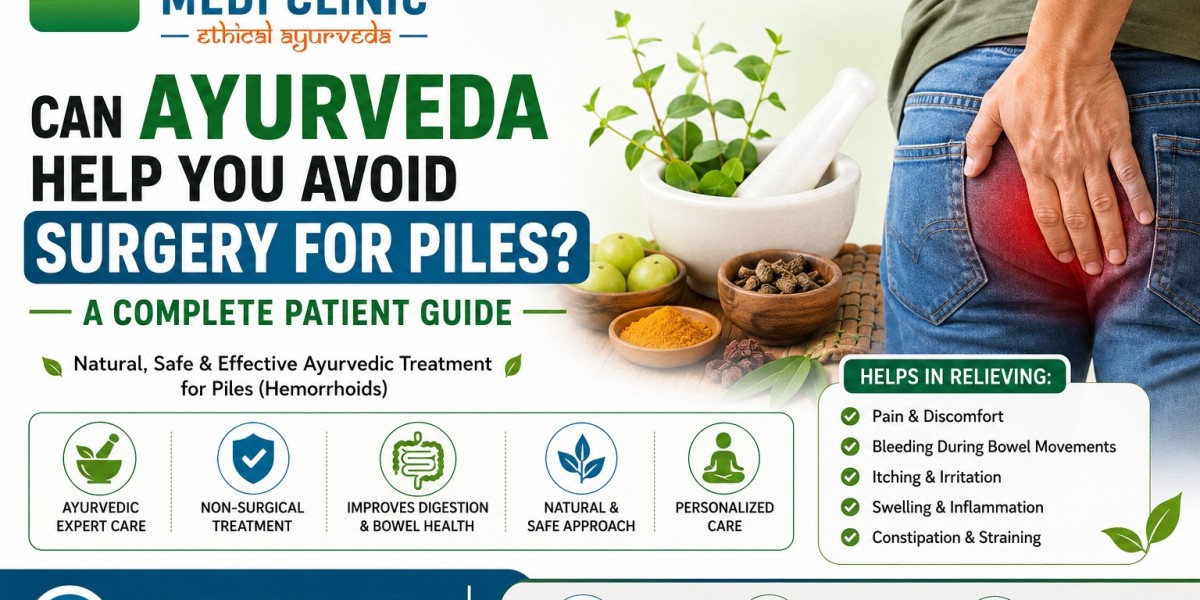

Introduction
Piles, also known as hemorrhoids, are swollen veins in the rectum or anus that can cause pain, itching, bleeding, and discomfort during bowel movements. Many people look for Piles Treatment in Ayurveda because they want a natural approach that focuses on improving overall digestive health rather than only managing symptoms.
Ayurveda is an ancient Indian system of medicine that aims to treat the root cause of health problems. For piles, Ayurvedic treatment may include herbal medicines, dietary changes, lifestyle modifications, and measures to improve digestion and reduce constipation. The treatment plan is usually personalized according to the patient's symptoms and overall health.
What Are Piles?
Piles are enlarged veins in the lower rectum or around the anus. They are generally classified into two types:
Internal Piles
- Develop inside the rectum
- Usually painless
- May cause bleeding during bowel movements
External Piles
- Develop around the anus
- Can cause pain, swelling, itching, and discomfort
- Sometimes a painful blood clot may form
Common Symptoms of Piles
Symptoms vary from person to person but commonly include:
- Bleeding during bowel movements
- Pain or discomfort while passing stool
- Itching around the anus
- Swelling or a lump near the anus
- Burning sensation
- Mucus discharge
- Difficulty sitting for long periods
Early diagnosis can help prevent the condition from becoming more severe.
What Causes Piles?
Several factors can increase the risk of developing hemorrhoids, including:
- Chronic constipation
- Straining during bowel movements
- Low-fiber diet
- Sitting for long hours
- Lack of physical activity
- Pregnancy
- Obesity
- Frequent diarrhea
- Poor digestive health
- Family history
Improving bowel habits and maintaining a healthy lifestyle can reduce the risk of piles.
How Does Ayurveda View Piles?
In Ayurveda, piles are known as Arsha. According to Ayurvedic principles, digestive imbalance and improper bowel habits play an important role in the development of piles.
The primary goals of Piles Treatment in Ayurveda are:
- Improve digestive function
- Reduce constipation
- Support healthy bowel movements
- Relieve pain and discomfort
- Help reduce inflammation
- Promote long-term digestive wellness
- Lower the chances of recurrence through lifestyle improvements
Ayurvedic treatment is generally combined with proper diet, hydration, and healthy daily habits for better long-term results.
How Does Piles Treatment in Ayurveda Work?
Ayurveda focuses on improving the body's natural balance rather than only relieving symptoms. The treatment plan is based on the patient's health condition, digestion, lifestyle, and the stage of piles.
A qualified Ayurvedic doctor may recommend a combination of:
- Personalized Ayurvedic medicines
- Dietary changes
- Lifestyle modifications
- Hydration guidance
- Measures to improve digestion
- Regular follow-up consultations
Since every patient is different, the treatment plan should always be personalized instead of following the same approach for everyone.
Can Piles Be Managed Without Surgery?
One of the most common questions people ask is whether surgery is always necessary.
The answer is not always.
Many patients with early or moderate piles may benefit from Piles Treatment in Ayurveda along with healthy lifestyle changes and regular medical supervision. The most appropriate treatment depends on the severity of symptoms and the doctor's evaluation.
Early consultation often helps patients understand all available treatment options before considering surgical procedures.
The Importance of Diet in Ayurveda
Diet is considered one of the most important parts of Ayurvedic care. Healthy eating habits support digestion and help reduce constipation, which is a common factor associated with piles.
A balanced diet may include:
- Fresh fruits
- Green leafy vegetables
- Whole grains
- Oats
- Brown rice
- Lentils
- Salads
- Plenty of water
Foods that are highly processed, very spicy, or low in fiber may contribute to digestive discomfort in some people. Following a balanced diet may help maintain regular bowel movements.
Lifestyle Changes That Support Recovery
Ayurveda also emphasizes healthy daily habits to support digestive health and overall well-being.
Some useful lifestyle practices include:
- Walking or exercising regularly
- Drinking enough water throughout the day
- Avoiding prolonged sitting
- Responding to the natural urge for bowel movements without delay
- Avoiding excessive straining during bowel movements
- Maintaining a healthy body weight
- Eating meals at regular times
- Getting adequate sleep
These habits are often recommended along with medical treatment to support long-term digestive health.
When Should You Consult an Ayurvedic Doctor?
Although mild symptoms may improve with healthy lifestyle changes, persistent symptoms should not be ignored.
You should consult a qualified doctor if you experience:
- Bleeding during bowel movements
- Pain or burning around the anus
- Swelling or a lump near the anus
- Persistent itching
- Difficulty sitting comfortably
- Symptoms that continue for several days
Early diagnosis helps determine the exact cause of your symptoms and allows the doctor to recommend the most suitable treatment plan.
Benefits of Early Treatment
Seeking medical advice at an early stage may offer several advantages, including:
- Better symptom management
- Improved digestive health
- Reduced discomfort during bowel movements
- Lower risk of complications
- More treatment options depending on the stage of the condition
Early treatment also gives patients the opportunity to receive guidance on diet and lifestyle changes that support long-term digestive wellness.
Choosing the Right Ayurvedic Clinic
When looking for Piles Treatment in Ayurveda, choose a qualified and experienced Ayurvedic doctor who provides:
- A detailed consultation
- Personalized treatment plans
- Dietary guidance
- Lifestyle recommendations
- Regular follow-up care
A patient-centered approach helps ensure that treatment is based on individual needs rather than a one-size-fits-all method.
Frequently Asked Questions (FAQs)
1. What is Piles Treatment in Ayurveda?
Piles Treatment in Ayurveda is a holistic approach that focuses on improving digestive health, supporting healthy bowel movements, and reducing factors that may contribute to piles. Treatment plans may include Ayurvedic medicines, dietary guidance, lifestyle changes, and regular follow-up care based on the patient's condition.
2. Can Ayurveda help manage piles without surgery?
Many people with early or moderate piles may benefit from Ayurvedic treatment along with healthy lifestyle habits. However, the most suitable treatment depends on the severity of the condition. A qualified doctor can recommend the appropriate treatment after a proper evaluation.
3. How long does Ayurvedic treatment take?
The duration of treatment varies for every patient. It depends on factors such as the stage of piles, overall health, digestive condition, and how well the patient follows the recommended diet and lifestyle advice.
4. Can piles come back after treatment?
Yes. Piles can return if constipation, poor eating habits, prolonged sitting, or excessive straining during bowel movements continue. Maintaining healthy daily habits may help reduce the chances of recurrence.
5. When should I consult a doctor?
You should consult a healthcare professional if you notice:
- Bleeding during bowel movements
- Persistent pain or burning
- Swelling or a lump around the anus
- Severe itching
- Symptoms that continue for several days
Early diagnosis helps identify the exact cause of the symptoms and allows timely treatment.
Tips to Help Prevent Piles Naturally
Simple lifestyle changes can help support digestive health and lower the risk of developing piles.
Some useful habits include:
- Eat plenty of fiber-rich foods such as fruits, vegetables, and whole grains.
- Drink enough water throughout the day.
- Exercise regularly to support healthy digestion.
- Avoid sitting continuously for long periods.
- Do not delay bowel movements.
- Avoid excessive straining while passing stool.
- Maintain a healthy body weight.
- Follow regular meal timings.
These healthy habits may also support recovery after treatment.
Why Early Diagnosis Matters
Many people ignore the early symptoms of piles because they feel embarrassed or believe the problem will improve on its own. However, delaying treatment may allow the condition to become more uncomfortable over time.
Consulting an experienced Ayurvedic doctor at an early stage helps identify the condition accurately and provides an opportunity to receive personalized guidance on treatment, diet, and lifestyle. Early medical advice may also help reduce discomfort and improve long-term digestive health.
Conclusion
Piles are a common condition that can affect daily comfort and quality of life. The good news is that many people can benefit from Piles Treatment in Ayurveda, especially when the condition is identified early. Ayurveda focuses on improving digestive health, supporting healthy bowel habits, and providing personalized care based on the patient's individual needs.
Along with appropriate treatment, maintaining a balanced diet, drinking enough water, staying physically active, and avoiding constipation are important steps in managing piles and reducing the risk of recurrence.
For people looking for Ayurvedic consultation, Dr. Monga Medi Clinic in New Delhi provides individualized evaluation for piles, fissure, fistula, constipation, and digestive health concerns. The clinic focuses on personalized treatment plans along with practical diet and lifestyle guidance to support long-term wellness.
Understanding the symptoms, seeking timely medical advice, and following healthy daily habits can help you make informed decisions about your digestive health.