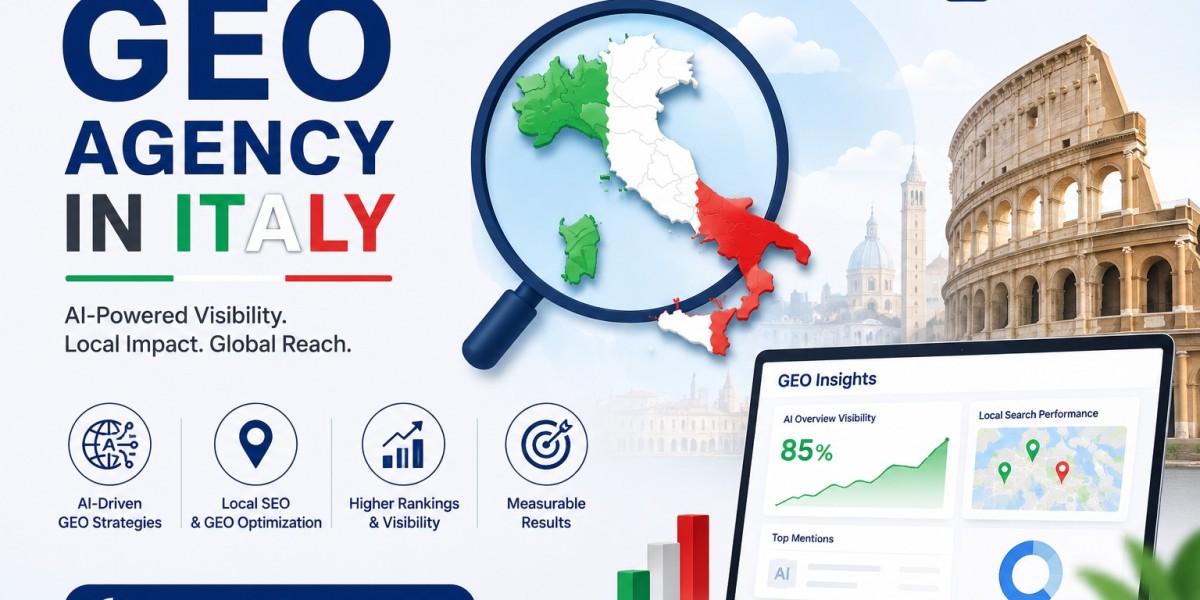

As more users turn to AI-powered platforms for answers, businesses are investing in Generative Engine Optimization (GEO) to improve their visibility beyond traditional search engines. But one important question remains: How do you know if your GEO strategy is working?
Unlike traditional SEO, where keyword rankings are often the primary metric, GEO success is measured through a broader set of indicators that reflect authority, discoverability, engagement, and AI visibility. Understanding these metrics allows businesses to refine their strategy and maximize long-term results.
Why GEO Requires Different Metrics
Traditional SEO focuses on search engine rankings and organic traffic. GEO, however, is designed to improve how AI platforms understand and reference your content.
Success is not measured by rankings alone. Instead, businesses should evaluate how effectively their content builds trust, answers user questions, and becomes part of the AI search ecosystem.
Monitor Organic Traffic Growth
Although GEO focuses on AI visibility, organic traffic remains an important indicator of success.
Look for improvements in:
Organic sessions
New users
Returning visitors
Landing page performance
Engagement rates
High-quality, AI-ready content often strengthens traditional SEO performance as well.
Evaluate Content Engagement
Useful content keeps visitors engaged.
Track metrics such as:
Average time on page
Scroll depth
Bounce rate
Pages per session
Repeat visits
Strong engagement signals indicate that your content is delivering value to users.
Measure Topical Authority
A successful GEO strategy positions your brand as an expert in its niche.
Review how your website grows over time by monitoring:
Published topic clusters
Internal linking improvements
Coverage of industry topics
Backlink quality
Brand mentions
Expanding topical authority increases the likelihood of AI recognition.
Assess Technical SEO Health
Technical optimization supports every GEO initiative.
Regularly monitor:
Core Web Vitals
Mobile usability
Crawl errors
Indexing status
Structured data validation
Website speed
A technically healthy website is easier for AI systems to understand and reference.
Track AI Search Visibility
As AI search platforms continue to evolve, businesses should observe how often their brand appears in AI-generated responses, summaries, or recommendations.
While measurement methods are still developing, monitoring brand mentions, referral trends, and AI-driven traffic can provide valuable insights into growing AI visibility.
Measure Business Outcomes
Ultimately, GEO should contribute to measurable business growth.
Track:
Qualified leads
Conversion rates
Revenue growth
Customer inquiries
Demo requests
Sales opportunities
These outcomes demonstrate whether your optimization efforts are supporting business objectives.
Continuously Improve Your Strategy
GEO is not a one-time project.
Regularly:
Update older content
Expand topic coverage
Improve internal linking
Refresh statistics
Add new case studies
Enhance structured data
Continuous optimization keeps your content relevant for both users and AI platforms.
How Moonify Measures GEO Success
At Moonify, we combine advanced analytics with SEO and Generative Engine Optimization strategies to measure performance across traditional search engines and AI-powered platforms. We monitor technical health, content performance, topical authority, AI visibility, and business outcomes to help clients achieve sustainable growth.
Our data-driven approach ensures every optimization effort contributes to stronger online authority and long-term success.
Final Thoughts
Measuring GEO success requires looking beyond rankings and focusing on the broader impact of your digital presence. Businesses that monitor engagement, technical performance, topical authority, AI visibility, and conversions gain a clearer understanding of how their optimization strategy supports growth.
As AI search continues to evolve, organizations that consistently measure, refine, and improve their GEO strategy will be best positioned to build authority, attract qualified audiences, and maintain a competitive advantage in the future of search.