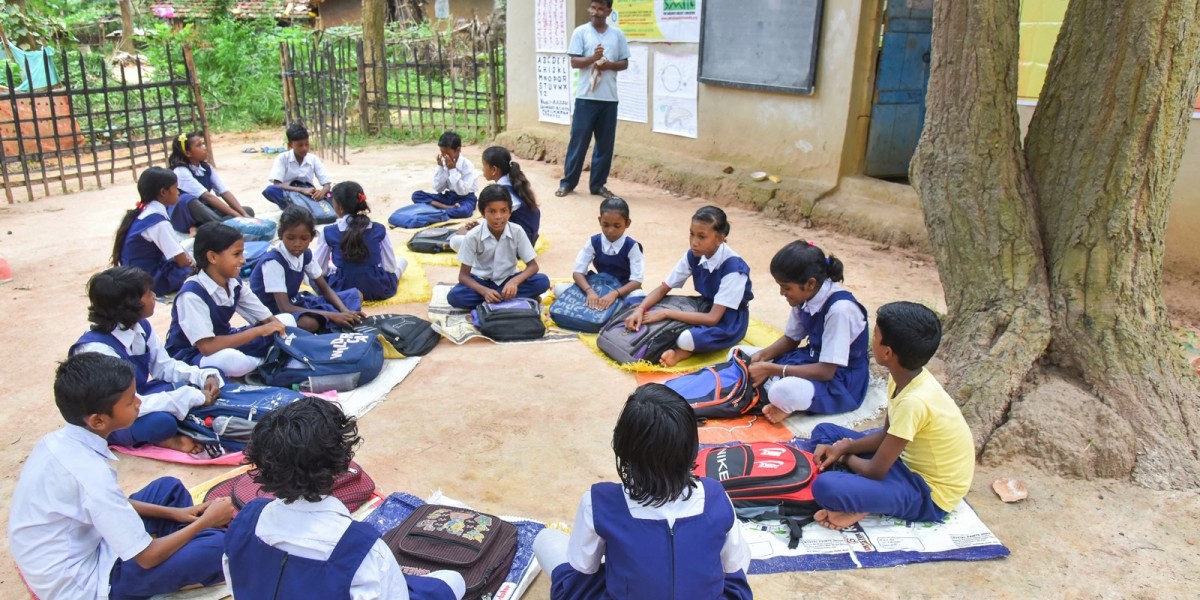

Education is widely recognized as one of the most valuable investments a nation can make. While roads, industries, and technology contribute to economic growth, it is educated and skilled people who drive innovation, productivity, and sustainable development. This is why education is often described as the foundation of human capital—the knowledge, skills, health, and abilities that enable individuals to contribute meaningfully to society and the economy.
For a country as diverse and dynamic as India, strengthening human capital through quality education is essential for long-term progress. Every child who gains access to meaningful learning becomes a potential innovator, entrepreneur, healthcare professional, educator, or leader. Smile Foundation believes that expanding educational opportunities is one of the most effective ways to empower individuals and create lasting social impact.
Understanding the Connection Between Education and Human Capital
Human capital refers to the collective abilities and potential of people that contribute to economic and social development. Unlike physical resources, human capital grows through education, skill development, healthcare, and continuous learning.
Quality education helps individuals acquire literacy, critical thinking, communication skills, digital knowledge, and problem-solving abilities. These competencies improve employability and prepare young people to adapt to changing industries and emerging technologies.
When a country invests in education, it strengthens its workforce and creates a foundation for sustained economic growth.
Education Creates Opportunities Beyond Employment
The value of education extends far beyond securing a job. It empowers people to make informed decisions, improve their health, participate in civic life, and contribute to community development.
Educated individuals are more likely to embrace innovation, support gender equality, adopt healthier lifestyles, and encourage the education of future generations. As knowledge spreads through communities, social progress accelerates and inequalities begin to reduce.
Smile Foundation promotes holistic education that focuses not only on academic learning but also on developing confidence, leadership, life skills, and values that prepare children for the future.
Skill Development Is Equally Important
In today's rapidly evolving economy, formal education must be complemented by practical skills. Industries increasingly seek professionals who possess technical expertise, digital literacy, creativity, collaboration, and adaptability.
Vocational training, entrepreneurship education, and career guidance help young people transition successfully from classrooms to workplaces. Lifelong learning also enables professionals to remain competitive as industries continue to evolve.
By supporting educational and skill development initiatives, Smile Foundation contributes to creating a workforce that is better prepared to meet future economic demands.
Strong Partnerships Accelerate Human Capital Development
Building human capital requires collaboration among governments, schools, businesses, communities, and nonprofit organizations. Public policies establish educational frameworks, while development organizations and corporate partners help improve access, infrastructure, teacher training, and learning resources.
Parents and communities also play an essential role by encouraging school attendance, supporting children's education, and creating environments that value lifelong learning.
Smile Foundation works closely with educational institutions, local communities, and corporate partners to strengthen learning opportunities and help children from underserved backgrounds build brighter futures.
Investing in People Creates Sustainable Development
Nations achieve lasting progress when they invest in their people. Education strengthens economies by increasing productivity, encouraging innovation, reducing poverty, and improving social well-being. Every child who receives quality education becomes part of a stronger and more resilient future workforce.
India's continued growth depends on ensuring that every child has access to inclusive, equitable, and quality education. Expanding educational opportunities today will create generations of skilled individuals capable of driving national development for decades to come.
Readers who want to understand the relationship between education and human capital in India can explore the comprehensive insights shared by Smile Foundation. The article explains how education serves as the foundation for personal growth, economic development, and social transformation while reinforcing the importance of investing in every child's potential.