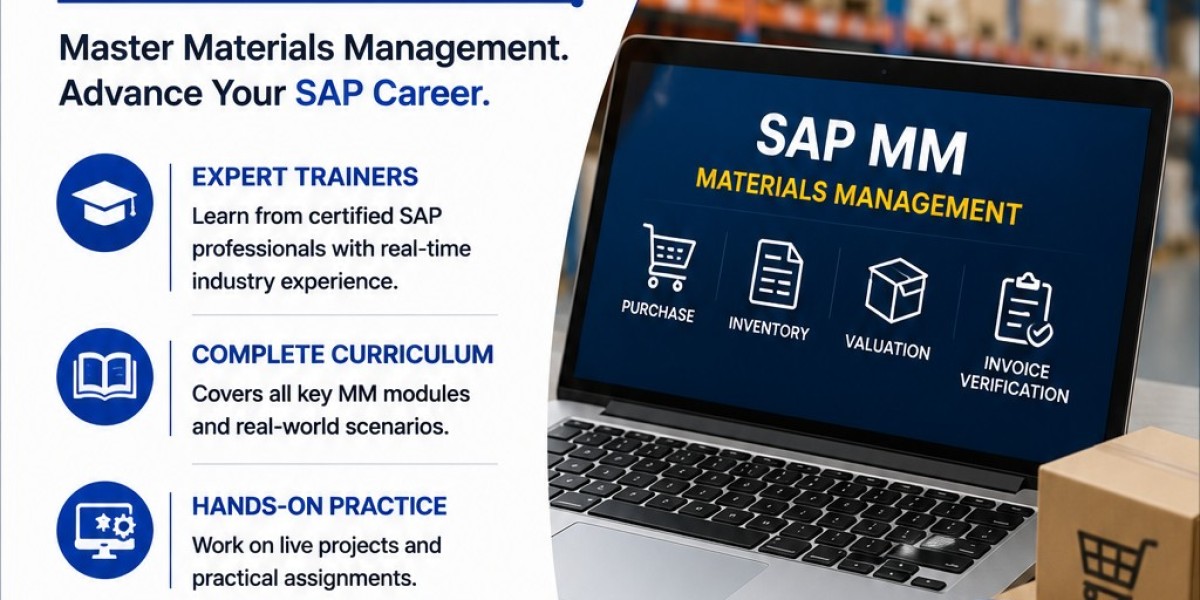

Despite the rise of newer SAP modules like S/4HANA and cloud-based solutions, SAP MM continues to be a foundational skill for supply chain and procurement professionals. Companies across manufacturing, retail, pharmaceuticals, and logistics rely on SAP MM consultants to manage vendor relationships, purchase orders, inventory valuation, and material planning. This sustained demand keeps salaries competitive and makes training costs a worthwhile investment for career growth.
Why SAP MM Training Is Still a Smart Investment
SAP Materials Management (MM) remains one of the most in-demand modules within the SAP ecosystem, powering procurement, inventory management, and supply chain operations for organizations worldwide. As more professionals look to build careers in SAP consulting, understanding SAP MM course fees has become an essential first step before enrolling in any training program. With so many institutes, online platforms, and certification bodies offering SAP MM training, prices can vary dramatically depending on the mode of learning, trainer expertise, and certification path chosen. This guide breaks down everything you need to know about costs, formats, and value for money in 2026.
Factors That Influence SAP MM Course Fees
Before comparing actual numbers, it helps to understand what drives pricing differences across providers:
Mode of delivery – Classroom training, live online sessions, and self-paced recorded courses all carry different price points.
Trainer credentials – Courses led by certified SAP consultants with real project experience typically cost more than generic instructor-led sessions.
Course duration and depth – A 40-hour foundational course will be priced differently than a comprehensive 100-hour program covering S/4HANA MM, integration modules, and real-time case studies.
Certification inclusion – Some packages bundle the official SAP certification exam voucher, while others charge separately.
Geographic location – Training costs in India, the Philippines, or Eastern Europe tend to be lower than in the United States, UK, or Australia.
Institute reputation – Established training providers with placement assistance often charge a premium.
Average SAP MM Course Fees in 2026
Based on current market trends, here is a general breakdown of what learners can expect to pay:
Training Type | Estimated Fee Range |
Online self-paced courses | $150 – $400 |
Live instructor-led online training | $500 – $1,200 |
Classroom training (India-based institutes) | $300 – $900 |
Classroom training (US/UK-based institutes) | $1,500 – $3,500 |
Corporate/custom training programs | $2,000 – $6,000+ |
Official SAP certification exam | $500 – $700 (separate from training) |
These figures represent the general landscape rather than fixed prices from any single provider, and current SAP MM course fees can shift based on ongoing promotions, batch size, and add-on services like resume building or interview preparation.
Comparing Popular Training Formats
Self-Paced Online Courses
Self-paced courses are the most budget-friendly option, often available through platforms offering pre-recorded video content, downloadable materials, and quizzes. While affordable, they lack live interaction with trainers, which can be a drawback for learners who need hands-on guidance with SAP system navigation and configuration exercises.
Live Virtual Classrooms
Live online training has become the preferred format for working professionals since it offers real-time doubt clearing, structured schedules, and interaction with peers. This format sits in the mid-range when it comes to SAP MM course fees, balancing affordability with quality instruction.
In-Person Classroom Training
Traditional classroom setups remain popular in regions with strong IT training ecosystems. These programs often include lab access, printed materials, and direct mentorship, which justifies the higher price tag compared to online alternatives.
Corporate and Bootcamp-Style Training
Organizations training entire teams often opt for customized corporate packages. These are priced higher due to tailored content, dedicated trainers, and flexible scheduling, but they offer better long-term value when multiple employees need certification simultaneously.
Certification Costs: A Separate Consideration
It's important to note that SAP MM course fees typically cover only the training itself, not the official SAP certification exam. The certification, administered directly by SAP or through authorized centers, usually costs between $500 and $700 depending on the region and specific certification level (Associate or Specialist). Some training providers bundle exam vouchers into premium packages, so it's worth checking whether the quoted price includes this cost or if it will be an additional expense.
Hidden Costs to Watch For
When comparing SAP MM course fees , learners should also account for potential hidden costs such as:
Access fees for SAP practice systems or sandbox environments
Charges for retaking failed certification exams
Study material or textbook costs not included in the base fee
Post-course support or mentorship fees
Placement assistance charges at some institutes
Reading the fine print and asking providers direct questions about inclusions can prevent unexpected expenses down the line.
Tips to Get the Best Value
Compare multiple providers before committing, rather than choosing the first option you find.
Check for free trial classes many institutes offer to gauge teaching quality.
Ask about placement support since some institutes include job assistance at no extra cost.
Look for bundled certification vouchers to save on separate exam costs.
Read verified reviews from past students to assess real value beyond marketing claims.
Negotiate group discounts if enrolling with colleagues or friends.
Final Thoughts
Choosing the right training program comes down to balancing budget, learning style, and career goals. While the cheapest option may seem appealing, investing a bit more in a reputable provider with strong mentorship and updated S/4HANA content often pays off through better job readiness and career outcomes. By carefully comparing formats, inclusions, and hidden costs, professionals can make an informed decision that fits both their budget and their long-term SAP career aspirations in 2026 and beyond.