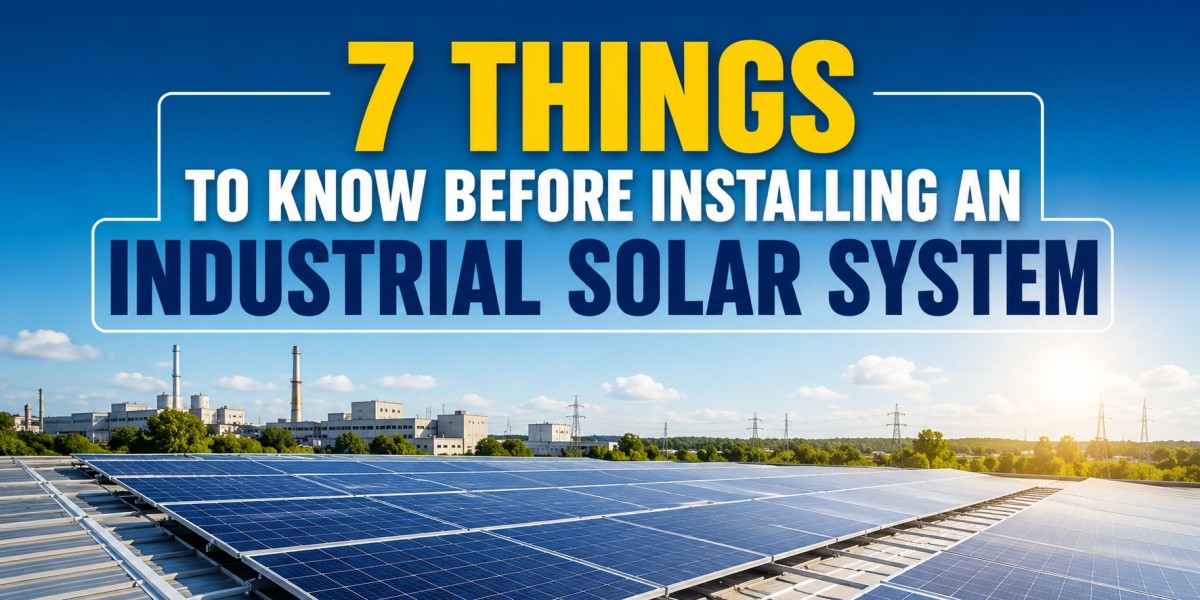

Installing an Industrial Solar Systems solution is one of the smartest investments a factory or manufacturing business can make. With electricity costs increasing every year, many industries are looking for better ways to reduce operating expenses while using clean energy.
However, installing a solar system is not just about placing panels on your roof. A successful project starts with proper planning, choosing the right equipment, and working with experienced professionals. Making the right decisions before installation can help you get better performance, higher savings, and fewer problems in the future.
In this guide, we'll walk through the seven most important things every business owner should know before investing in an industrial solar system. Whether you're planning your first project or comparing different options, these tips will help you make a confident decision.
7 Things to Know Before Installing an Industrial Solar System
1. Understand Your Factory's Energy Requirements
Before installing a solar system, you should first understand how much electricity your factory uses every day and every month.
Look at your electricity bills from the past 12 months. This gives a clear picture of your energy consumption, peak usage hours, and seasonal changes.
When your system is designed according to your actual needs, it performs better and provides higher savings. Installing a system that is too small may not reduce your electricity bills enough, while an oversized system may increase your investment without giving extra value.
A professional energy assessment is always the best starting point.
2. Evaluate Your Roof or Installation Space
Not every factory roof is the same. Before installation, it's important to check whether your roof is suitable for solar panels.
A good inspection includes:
- Roof strength
- Available space
- Shade from nearby buildings or trees
- Roof direction
- Future expansion plans
If rooftop installation isn't suitable, ground-mounted systems may also be considered depending on your available land.
Proper site evaluation helps ensure your solar system performs efficiently for many years.
3. Choose High-Quality Solar Panels and Equipment
The quality of your equipment directly affects the performance of your solar project.
Instead of selecting products based only on price, focus on quality, reliability, warranty, and long-term performance.
A complete system includes:
- Solar panels
- Inverters
- Mounting structures
- Electrical protection equipment
High-quality industrial solar power systems usually produce more electricity over their lifetime while requiring fewer repairs. Choosing trusted equipment also improves overall safety and long-term reliability.
4. Understand the Total Cost and Return on Investment (ROI)
Many business owners focus only on installation cost, but the real value comes from long-term savings.
Before making your decision, understand:
- Total installation cost
- Expected electricity savings
- Estimated payback period
- Long-term financial benefits
Although the initial investment may seem significant, many businesses recover their investment within a few years through lower electricity bills. After that, the savings continue for many more years, making solar a cost-effective business investment.
5. Check Government Policies and Available Subsidies
Government policies and solar incentives may help reduce your overall project cost.
Available benefits can vary depending on your business type, project size, and location.
Before installation, ask your solar provider about:
- Current subsidy programs
- Net metering policies
- Government approvals
- Required documentation
Understanding these policies in advance helps avoid delays and ensures you receive all eligible benefits.
6. Select an Experienced Industrial Solar Company
Choosing the right installation partner is just as important as choosing the right equipment.
Experienced industrial solar companies understand factory operations, project planning, safety standards, and proper system design.
Before making your decision, check:
- Previous industrial projects
- Customer reviews
- Installation experience
- Warranty support
- After-sales service
A trusted company will guide you through every stage—from planning and design to installation and ongoing support.
7. Plan for Maintenance and System Monitoring
Solar systems require very little maintenance, but regular care helps maintain maximum performance.
Basic maintenance includes cleaning panels, checking electrical connections, and monitoring energy production.
Modern industrial solar power systems often include monitoring software that allows businesses to track electricity generation and quickly identify any performance issues.
Regular inspections help keep the system operating efficiently throughout its lifespan.
Why Proper Planning Makes Industrial Solar More Successful
Proper planning reduces unexpected costs, installation delays, and future maintenance issues.
When your energy requirements, installation space, equipment quality, and financial planning are carefully considered, your Industrial Solar Systems project delivers better results.
Planning also ensures that your business gets maximum energy production, improved reliability, and faster returns on investment.
Taking time before installation often saves both money and time in the long run.
Why Choose Shree Hari Solar for Industrial Solar Installation
Choosing the right solar partner makes a big difference to your project's success.
Shree Hari Solar provides complete industrial solar solutions, from site inspection and system design to professional installation and ongoing support. Every project is planned according to the customer's energy requirements, ensuring reliable performance and long-term savings.
Our experienced team uses quality equipment, follows industry best practices, and focuses on delivering safe, efficient, and dependable installations. We also help businesses understand available government policies and provide support throughout the installation process.
If you're also exploring the best solar panel for home, our team can help you choose the right solution for residential as well as industrial needs.
Conclusion
Installing Industrial Solar Systems is a long-term investment that can help businesses reduce electricity costs, improve energy independence, and support a cleaner future.
Before starting your project, take time to understand your energy needs, inspect your installation space, choose quality equipment, calculate your expected return, review government policies, select an experienced installation company, and plan for regular maintenance.
Making informed decisions today will help your business enjoy reliable solar performance and greater savings for many years.
Frequently Asked Questions (FAQs)
How do I know what size industrial solar system I need?
The right system size depends on your factory's monthly electricity consumption, available installation space, and future energy requirements. A professional energy assessment provides the most accurate recommendation.
How much does an industrial solar system cost?
The cost depends on system capacity, equipment quality, installation complexity, and project location. Larger systems generally have a lower cost per kilowatt than smaller installations.
How long does industrial solar installation take?
Most projects take a few weeks to a few months, depending on system size, site conditions, approvals, and installation requirements.
What maintenance does an industrial solar system require?
Regular panel cleaning, periodic inspections, and performance monitoring are usually enough to keep the system working efficiently.
How long do industrial solar panels last?
Most quality solar panels are designed to last 25 to 30 years while continuing to generate electricity efficiently with proper maintenance.
Can industrial solar reduce electricity bills significantly?
Yes. A properly designed Industrial Solar Systems installation can significantly reduce electricity bills by generating a large portion of your factory's daily power needs. The exact savings depend on your energy usage and system size.