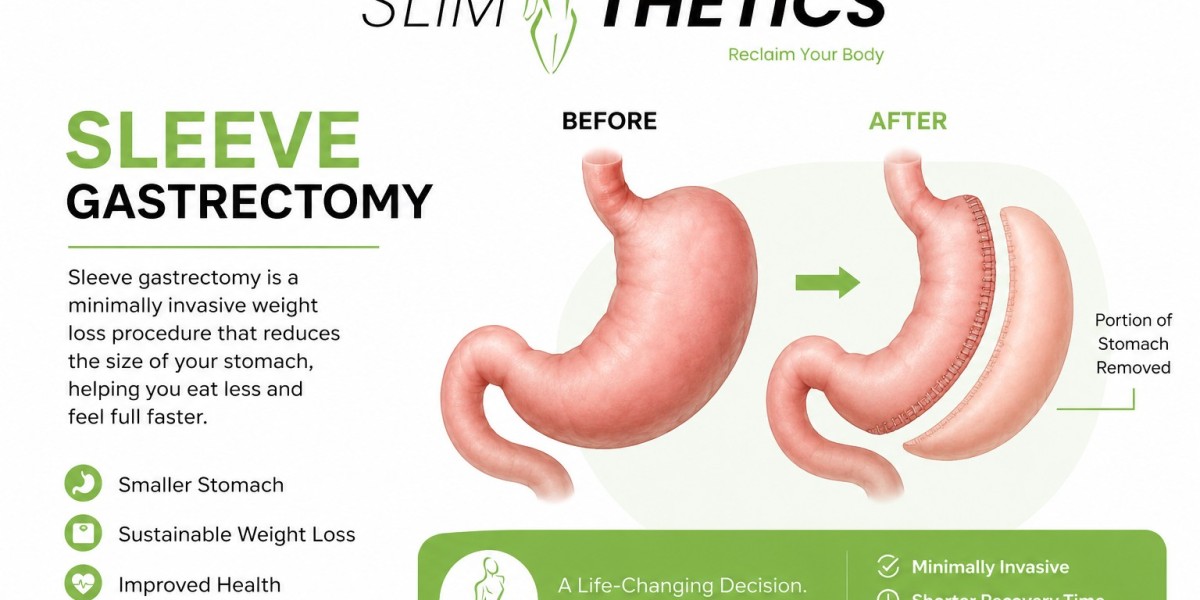

Obesity is a complex medical condition that affects far more than physical appearance. It increases the risk of serious health problems such as type 2 diabetes, heart disease, high blood pressure, sleep apnea, joint disorders, and certain types of cancer. For many people who have struggled with long-term obesity despite repeated attempts with diet, exercise, and medication, bariatric surgery offers a medically proven solution that addresses the root causes of excessive weight.
For individuals considering Bariatric Surgery in Islamabad, one of the most common questions is whether the procedure can actually help people live longer. The answer, according to extensive medical research, is encouraging. Bariatric surgery has been associated with significant reductions in obesity-related diseases, improved quality of life, and increased life expectancy in appropriate candidates. This guide explains how the procedure works, its long-term benefits, eligibility criteria, recovery process, and why choosing an experienced surgical team is essential.
What Is Bariatric Surgery?
Bariatric surgery refers to a group of surgical procedures designed to help individuals achieve significant and sustainable weight loss by modifying the digestive system. These procedures reduce food intake, alter digestion, or combine both approaches to promote healthier weight management.
Common bariatric procedures include:
- Sleeve Gastrectomy
- Gastric Bypass Surgery
- Mini Gastric Bypass
- Revision Bariatric Surgery
Each procedure is selected based on the patient's medical history, Body Mass Index (BMI), eating habits, and overall health goals.
Why Does Obesity Reduce Life Expectancy?
Obesity places continuous stress on nearly every organ in the body. Excess body fat contributes to chronic inflammation, hormonal imbalance, and metabolic dysfunction that increase the likelihood of developing life-threatening illnesses.
Obesity is strongly linked with:
- Type 2 diabetes
- Hypertension
- Coronary artery disease
- Stroke
- Obstructive sleep apnea
- Fatty liver disease
- Kidney disease
- Osteoarthritis
- Certain cancers
Over time, these conditions significantly increase the risk of premature death.
Can Bariatric Surgery Really Increase Life Expectancy?
Numerous international studies have shown that bariatric surgery can improve survival rates among people living with severe obesity.
Weight loss achieved after surgery helps reduce the burden on vital organs while improving metabolic health. As obesity-related diseases become better controlled—or even go into remission—the overall risk of serious complications decreases substantially.
Research has shown improvements in:
- Long-term survival
- Cardiovascular health
- Blood sugar control
- Blood pressure
- Cholesterol levels
- Physical mobility
- Overall quality of life
Patients who successfully maintain healthy lifestyle habits after surgery often experience benefits that continue for decades.
How Weight Loss Improves Overall Health
Weight loss affects nearly every system in the human body.
Cardiovascular Benefits
Reducing excess body weight decreases the workload on the heart, helping lower blood pressure and reducing the risk of heart attack and stroke.
Benefits include:
- Better circulation
- Reduced cholesterol
- Improved heart function
- Lower cardiovascular risk
Better Diabetes Control
One of the most remarkable benefits of bariatric surgery is its effect on type 2 diabetes.
Many patients experience:
- Improved insulin sensitivity
- Lower blood sugar levels
- Reduced dependence on medication
- Diabetes remission in eligible patients
Improved Sleep
Obesity often causes obstructive sleep apnea, which disrupts breathing during sleep.
After significant weight loss, patients frequently notice:
- Better sleep quality
- Less snoring
- Improved oxygen levels
- Increased daytime energy
Healthier Joints
Excess weight places enormous pressure on joints, especially the knees, hips, and lower back.
Weight reduction helps:
- Decrease joint pain
- Improve mobility
- Increase flexibility
- Delay joint degeneration
Mental and Emotional Benefits
Weight loss is not only physical—it often transforms emotional well-being.
Many patients report:
- Increased self-confidence
- Better body image
- Improved social interaction
- Reduced anxiety
- Better overall mood
Although surgery is not a treatment for mental health disorders, many individuals experience significant emotional improvements as their physical health improves.
Who Is a Candidate for Bariatric Surgery?
Not everyone struggling with weight requires surgery.
Candidates generally include individuals who:
- Have a BMI of 40 or higher
- Have a BMI above 35 with obesity-related diseases
- Have failed long-term weight loss through conventional methods
- Are committed to permanent lifestyle changes
- Are medically fit for surgery
A complete evaluation helps determine whether surgery is the safest and most appropriate treatment option.
What Happens Before Surgery?
Preparation plays a major role in achieving successful long-term outcomes.
Patients usually undergo:
Medical Assessment
Doctors evaluate:
- Overall health
- Existing medical conditions
- Previous surgeries
- Medication history
Nutritional Evaluation
Dietitians assess eating habits and educate patients about dietary changes required after surgery.
Psychological Assessment
Understanding emotional eating patterns and lifestyle expectations helps prepare patients for long-term success.
Recovery After Bariatric Surgery
Modern bariatric procedures are usually performed laparoscopically, allowing quicker recovery compared to traditional open surgery.
During recovery patients should:
- Follow prescribed diet stages
- Stay well hydrated
- Walk regularly
- Take recommended vitamins
- Attend follow-up appointments
- Avoid heavy lifting initially
Most patients gradually resume normal daily activities within a few weeks.
Long-Term Success Depends on Lifestyle
Surgery is a powerful medical tool—but it is not a shortcut.
Long-term success requires lifelong commitment.
Healthy habits include:
- Eating protein-rich meals
- Avoiding sugary beverages
- Portion control
- Regular physical activity
- Drinking enough water
- Consistent medical follow-up
Patients who maintain these habits typically enjoy the most sustainable results.
Common Myths About Bariatric Surgery
Myth 1: Surgery Is the Easy Way Out
Reality:
Weight loss surgery requires permanent lifestyle adjustments and ongoing commitment.
Myth 2: Everyone Regains Weight
Reality:
Some weight regain is possible, but patients who follow medical guidance usually maintain significant long-term weight loss.
Myth 3: Surgery Is Only Cosmetic
Reality:
The primary goal is improving health and reducing obesity-related diseases—not simply improving appearance.
Choosing the Right Bariatric Surgeon
Selecting an experienced surgical team is one of the most important decisions you will make.
Look for:
- Specialized bariatric training
- Modern surgical facilities
- Comprehensive patient evaluation
- Multidisciplinary care
- Nutritional support
- Long-term follow-up
A trusted team helps maximize safety and long-term success.
Why Islamabad Is Becoming a Preferred Destination
Islamabad has become a leading destination for advanced weight loss procedures due to its experienced specialists, modern healthcare facilities, and comprehensive patient care.
Patients benefit from:
- International-standard surgical techniques
- Advanced laparoscopic procedures
- Personalized treatment plans
- Comprehensive nutritional counseling
- Long-term patient monitoring
As awareness about obesity treatment grows, more people are seeking professional solutions rather than relying on temporary weight loss methods.
Frequently Asked Questions
How much weight can patients lose?
Weight loss varies depending on the procedure and lifestyle adherence, but many patients lose a significant percentage of their excess body weight over the first 12–18 months.
Is bariatric surgery permanent?
Most bariatric procedures produce long-term anatomical changes, making them effective tools for sustained weight management when combined with healthy habits.
Does surgery cure obesity?
Obesity is a chronic disease. Surgery is one of the most effective treatments available, but lifelong dietary discipline and regular exercise remain essential.
How soon can patients return to work?
Many individuals return to desk-based work within two to four weeks, depending on the type of surgery and recovery progress.
Final Thoughts
Bariatric surgery has transformed the lives of countless individuals by helping them achieve meaningful weight loss while reducing the risks associated with severe obesity. Beyond improving appearance, the procedure can enhance cardiovascular health, improve diabetes control, reduce joint pain, increase mobility, and contribute to a longer, healthier life. For suitable candidates, Bariatric Surgery in Islamabad represents a medically proven option that can lead to lasting health improvements when combined with lifelong lifestyle changes.
If you're considering taking the next step toward better health, Slimthetics Clinic offers comprehensive bariatric care tailored to your individual needs. From detailed consultations and advanced laparoscopic procedures to nutritional guidance and long-term follow-up, our experienced team is committed to supporting you throughout your weight loss journey. Schedule a consultation with Slimthetics Clinic to explore a personalized treatment plan and begin building a healthier future.