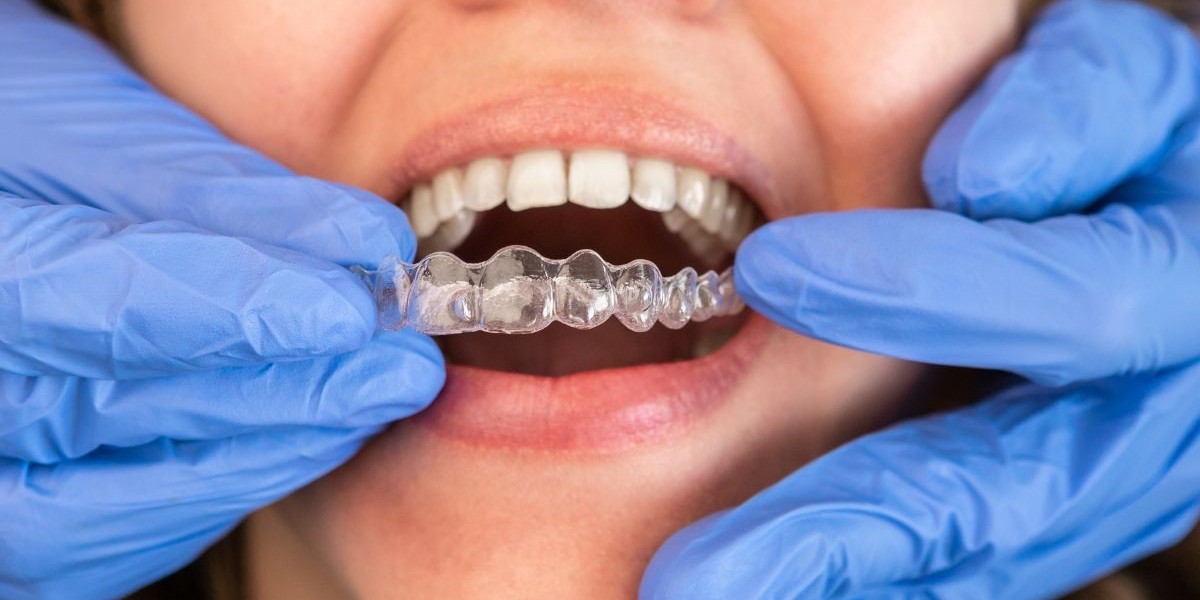

A beautiful and properly aligned smile often requires long-term care even after orthodontic treatment is completed. Many people assume that once their braces or aligners are removed, their teeth will remain perfectly straight forever, but teeth can naturally shift over time. Dental Retainers in Islamabad have become an important solution for maintaining orthodontic results and preventing unwanted tooth movement after treatment. Retainers help preserve the position of teeth and support the long-term success of orthodontic procedures by keeping the smile stable and properly aligned.
Understanding Dental Retainers and Their Purpose
Dental retainers are custom-made orthodontic devices designed to hold teeth in their corrected positions after braces or clear aligner treatment. During orthodontic treatment, pressure is applied to gradually move teeth into proper alignment. However, the tissues and bones surrounding the teeth need time to adjust and stabilize after movement. Without proper support, teeth may slowly return toward their original positions, a process known as orthodontic relapse.Retainers work by providing gentle pressure and stability while the mouth adapts to the new alignment. They are usually created using impressions or digital scans of the patient’s teeth to ensure a comfortable and precise fit. Although retainers are highly effective, many people wonder whether they are a permanent solution or something that is only worn for a short period.
Are Dental Retainers Designed to Be Permanent?
Dental retainers are not considered permanent in the sense that they do not last forever without replacement or maintenance. However, wearing retainers is often a long-term commitment. Orthodontists commonly recommend wearing retainers regularly for several years and, in many cases, continuing their use indefinitely at night to maintain results.The teeth are naturally affected by aging, chewing forces, changes in jaw structure, and everyday habits. These factors can cause gradual movement even years after orthodontic treatment. For this reason, many orthodontic professionals suggest lifelong retainer use, especially during sleep, to help protect the investment made in achieving a straight smile.While the retainer itself may need replacement over time due to wear and tear, the habit of wearing a retainer can become a permanent part of oral care. Similar to brushing and flossing, consistent retainer use helps maintain dental health and appearance.
Different Types of Dental Retainers
There are several types of dental retainers available, and each option has different features, durability, and maintenance requirements. The most suitable type depends on the patient’s orthodontic needs, lifestyle, and the recommendation of their dentist or orthodontist.Removable retainers are among the most common options. These include clear plastic retainers and acrylic retainers with wires. Clear retainers are popular because they are discreet and closely resemble aligners, making them less noticeable during use. Acrylic and wire retainers are also effective and are often chosen for their durability and strength.Fixed retainers, also known as permanent retainers, are attached to the back surface of the teeth using dental bonding material. They are commonly placed behind the front teeth and continuously hold them in position. Unlike removable retainers, fixed retainers cannot be taken out by the patient. They can provide constant support, but they require careful cleaning to prevent plaque buildup around the bonded wire.
How Long Do Dental Retainers Last?
The lifespan of a dental retainer depends on the type of retainer, how well it is maintained, and how frequently it is used. Removable retainers typically last several years when properly cared for, but they may eventually need replacement due to cracks, changes in shape, or normal wear.Clear retainers may require replacement more frequently because the plastic material can become thinner or lose its original shape over time. Fixed retainers can last many years, but the bonding material may weaken, or the wire may become damaged, requiring repair or replacement.Regular dental checkups allow professionals to examine the condition of the retainer and ensure it continues to provide proper support. Using a damaged or poorly fitting retainer can reduce its effectiveness and may cause discomfort.
Why Long-Term Retainer Use Is Important?
After orthodontic treatment, teeth are still vulnerable to movement because the surrounding tissues need time to become stable. The first few months after braces removal are especially important because the teeth may shift more easily during this period. Wearing retainers as instructed helps prevent these changes and protects the results of orthodontic treatment.Long-term retainer use also helps maintain confidence in your smile. Many people invest significant time and money into orthodontic procedures, and wearing retainers helps preserve those results for many years. Without consistent retainer use, teeth may gradually become crowded, develop gaps, or lose their improved alignment.Retainers are not only about maintaining appearance; they also support proper bite function. Teeth that shift out of alignment may affect chewing patterns and create additional dental concerns in the future.
Can You Stop Wearing Dental Retainers?
Some patients wonder if they can stop wearing retainers once their teeth appear stable. While the frequency of retainer use may decrease over time, completely stopping may increase the risk of teeth shifting. Orthodontists usually create personalized retention plans based on the patient’s age, treatment type, tooth movement, and overall dental condition.In many cases, patients transition from wearing retainers full-time after orthodontic treatment to wearing them only at night. This allows them to maintain their results while reducing daily inconvenience. However, the exact schedule should always be determined by a dental professional.Even if teeth appear straight after several years, they can still move due to natural changes in the mouth. Continuing retainer use provides an added layer of protection against these changes.
How to Care for Dental Retainers?
Proper maintenance plays an important role in extending the life of a retainer. Removable retainers should be cleaned regularly to remove bacteria, plaque, and buildup. They should be stored safely in their protective case when not being worn to prevent damage or loss.Patients should avoid exposing retainers to high temperatures because heat can change the shape of plastic materials. Drinking hot beverages while wearing certain types of removable retainers may affect their fit. Regular cleaning and careful handling help ensure the retainer remains comfortable and effective.Fixed retainers require good oral hygiene because food particles and plaque can collect around the bonded wire. Brushing carefully and using appropriate cleaning techniques recommended by a dentist can help maintain healthy teeth and gums.
The Importance of Professional Guidance
Every patient’s orthodontic needs are different, so the duration and type of retainer use vary from person to person. A qualified orthodontist can evaluate tooth stability and recommend the most suitable retention plan. Regular follow-up appointments help identify any changes early and ensure the retainer continues working properly.Professional advice is especially important if a retainer feels tight, uncomfortable, damaged, or no longer fits correctly. Continuing to wear an unsuitable retainer may cause unnecessary pressure on the teeth.
Conclusion
Dental retainers are not permanent devices that last forever, but they are often a lifelong commitment for maintaining a straight and healthy smile. While the physical retainer may require replacement over time, consistent retainer use plays a crucial role in preventing teeth from shifting after orthodontic treatment. Whether a patient uses a removable or fixed retainer, following professional recommendations ensures long-lasting results.A successful orthodontic journey does not end when braces or aligners are removed. Retainers provide the ongoing support needed to protect the alignment achieved through treatment. With proper care, regular dental visits, and a commitment to wearing retainers as advised, patients can enjoy a beautiful and confident smile for many years.