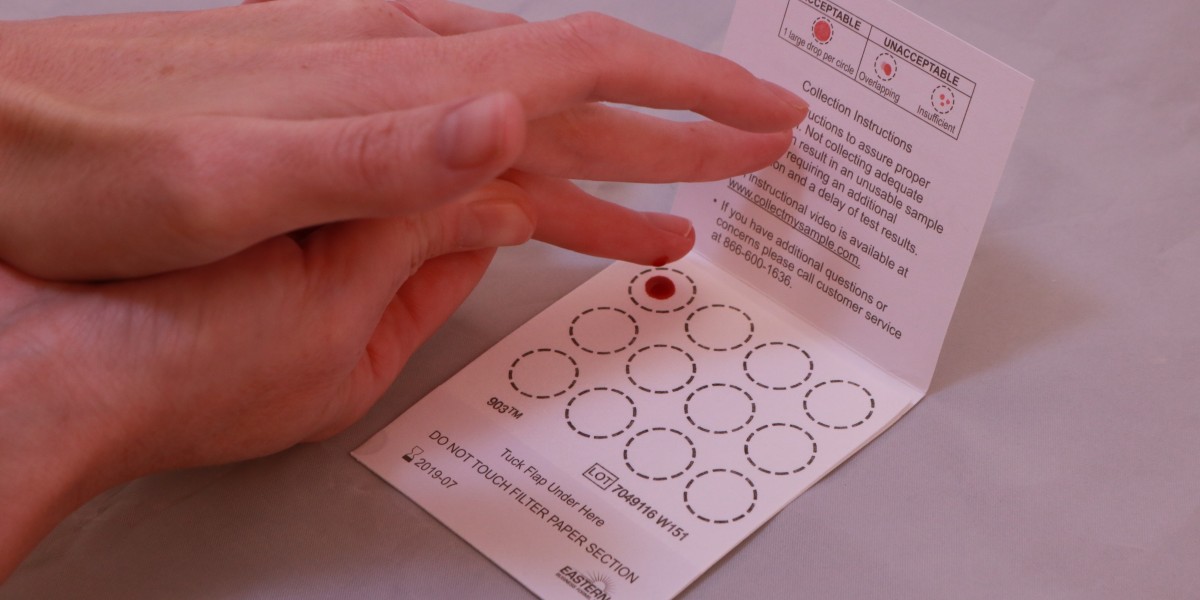

Booking a Lab Test at Home in Dubai has become one of the easiest ways to complete routine health checkups without visiting a diagnostic center. Most patients understand how home sample collection works, but many are curious about what happens after the healthcare professional leaves with their sample. How is the sample handled? How does it reach the laboratory? What steps ensure the accuracy of the test results?
The journey of a laboratory sample is carefully planned and controlled. Every stage—from labeling and transportation to laboratory analysis and report generation—is designed to maintain quality, accuracy, and patient safety. Understanding this process helps build confidence in home diagnostic services and highlights the advanced systems that support modern healthcare.
Verifying Your Identity Before Collection:
The process begins even before the sample is collected. A trained phlebotomist confirms the patient's identity using details such as name, age, date of birth, and test request.
This verification step is essential because accurate patient identification prevents reporting errors and ensures the correct laboratory investigations are performed.
Once verification is complete, the healthcare professional prepares sterile collection equipment while explaining the procedure to the patient.
Safe and Professional Sample Collection:
The next stage involves collecting the required blood, urine, or other diagnostic sample.
Certified phlebotomists follow standardized medical protocols using disposable needles, sterile collection tubes, gloves, and antiseptic supplies. These infection-control measures protect both patients and healthcare professionals while maintaining sample quality.
Depending on the prescribed investigations, multiple collection tubes may be required because different laboratory tests require different preservatives or additives.
Proper collection techniques reduce contamination and help ensure reliable laboratory analysis.
Accurate Labeling Prevents Mistakes:
Immediately after collection, every sample receives a unique identification label.
Modern diagnostic laboratories often use barcode systems that assign each specimen a unique tracking number. This barcode remains linked to the patient's information throughout every stage of testing.
Accurate labeling is one of the most important quality assurance practices because it prevents sample mix-ups and ensures that every laboratory report belongs to the correct patient.
Even small identification errors can affect diagnosis, which is why laboratories follow strict verification procedures.
Step 4: Secure Packaging for Transportation
Once labeled, the samples are placed into specially designed transport containers.
These containers protect specimens from leakage, contamination, excessive movement, and environmental exposure during transportation.
Some laboratory investigations require additional protective packaging because certain blood samples remain stable only under specific storage conditions.
Professional diagnostic providers follow internationally accepted guidelines for biological sample handling throughout transportation.
Temperature-Controlled Sample Transport:
Not every laboratory sample can be transported under normal room temperature.
Certain hormone tests, enzyme studies, and specialized investigations require controlled temperatures to preserve the chemical properties of the specimen.
Many home diagnostic providers use insulated transport boxes with temperature-monitoring systems that maintain appropriate storage conditions until samples reach the laboratory.
This controlled transportation helps maintain the integrity of the specimen and supports accurate diagnostic results.
Receiving the Sample at the Laboratory:
When the sample arrives at the diagnostic laboratory, another verification process begins.
Laboratory staff scan the barcode, confirm patient information, and register the sample within the Laboratory Information Management System. Every specimen is checked for proper labeling, collection quality, transport condition, and suitability for analysis.
If a sample does not meet quality standards, the laboratory may request recollection to avoid inaccurate reporting.
This additional screening protects patients from receiving unreliable results.
Sorting Samples by Test Type:
After registration, samples are separated according to the required investigations.
Blood samples intended for Complete Blood Count are directed to hematology, while those requiring liver function tests, kidney function tests, thyroid profile analysis, blood glucose testing, or lipid profile evaluation move to clinical chemistry or immunology departments.
Urine samples, microbiology specimens, and pathology samples follow separate processing pathways.
This organized workflow improves laboratory efficiency while maintaining accuracy.
Advanced Laboratory Analysis Begins:
The scientific testing process takes place using sophisticated diagnostic equipment.
Automated analyzers examine blood cells, measure chemical substances, evaluate hormone levels, identify infection markers, and perform numerous specialized investigations with exceptional precision.
Modern laboratories process hundreds or even thousands of samples daily while maintaining strict quality standards.
Automation minimizes human error, improves consistency, and delivers highly accurate diagnostic information for physicians.
Continuous Quality Control:
Reliable laboratory testing depends on much more than advanced equipment.
Throughout the testing process, laboratories perform continuous quality control checks to ensure analyzers function correctly and produce accurate measurements.
Control samples with known values are tested regularly to verify equipment performance before patient results are released.
Laboratory scientists also monitor instrument calibration, reagent quality, and analytical consistency.
These quality assurance procedures help maintain confidence in every diagnostic report.
Expert Review Before Report Generation:
Not every laboratory result is released immediately after machine analysis.
Qualified laboratory professionals review abnormal findings, verify unusual values, and evaluate whether additional confirmation testing is necessary.
In certain situations, pathologists or senior laboratory specialists examine results before approving the final report.
This professional review adds another layer of reliability to the diagnostic process.
Digital Report Preparation:
Once laboratory analysis is complete and quality checks have been finalized, the report is generated electronically.
The report typically includes patient identification details, laboratory values, reference ranges, measurement units, testing methodology, and authorized laboratory approval.
Many diagnostic providers also include historical comparisons for repeat investigations, helping patients and physicians monitor health trends over time.
Digital reporting reduces paperwork while improving accessibility.
Secure Report Delivery:
Patients usually receive laboratory reports through secure online portals, email, or mobile applications.
Digital delivery allows immediate access without requiring another visit to the diagnostic center.
Patients can easily download reports, store them for future reference, or share them with healthcare providers during clinic visits or telemedicine consultations.
Secure electronic systems also protect patient confidentiality while simplifying long-term health record management.
Why Every Step Matters?
Each stage in the laboratory process contributes directly to the accuracy of diagnostic testing.
Patient identification ensures the correct sample belongs to the correct individual. Proper collection techniques preserve specimen quality. Barcode tracking prevents administrative errors. Controlled transportation protects biological stability, while laboratory automation delivers precise analytical measurements.
Quality assurance throughout the process ensures that physicians receive reliable information for diagnosis and treatment planning.
Every step works together to support better healthcare outcomes.
How Patients Can Help Improve Accuracy?
Although laboratories maintain strict quality standards, patients also play an important role.
Following fasting instructions, remaining hydrated when appropriate, providing complete medical information, informing technicians about medications, and scheduling hormone-related tests at recommended times all contribute to accurate laboratory results.
Patients should also verify their personal information during sample collection to avoid identification errors.
Good preparation improves both sample quality and diagnostic reliability.
The Technology Behind Modern Home Diagnostics:
Today's home laboratory services rely on advanced healthcare technology to ensure efficiency.
Online appointment scheduling, GPS-enabled technician routing, barcode tracking systems, Laboratory Information Management Systems, automated analyzers, artificial intelligence-assisted quality monitoring, and secure digital reporting work together to create a seamless diagnostic experience.
These innovations allow patients to receive professional laboratory services without leaving home while maintaining the same standards expected from leading diagnostic centers.
Final Thoughts:
The journey of a sample collected through a Lab tests at home involves far more than transportation to a laboratory. Every stage—from patient verification and professional sample collection to barcode tracking, temperature-controlled transport, automated laboratory analysis, quality assurance, expert review, and secure report delivery—is carefully managed to ensure reliable results.
Understanding what happens after your sample is collected demonstrates the high level of precision involved in modern diagnostic healthcare. When you choose an accredited laboratory with trained professionals and standardized quality procedures, you can trust that your home-collected sample receives the same careful attention as one collected in a diagnostic center. This combination of convenience, technology, and scientific accuracy makes home laboratory testing an essential part of modern preventive healthcare.