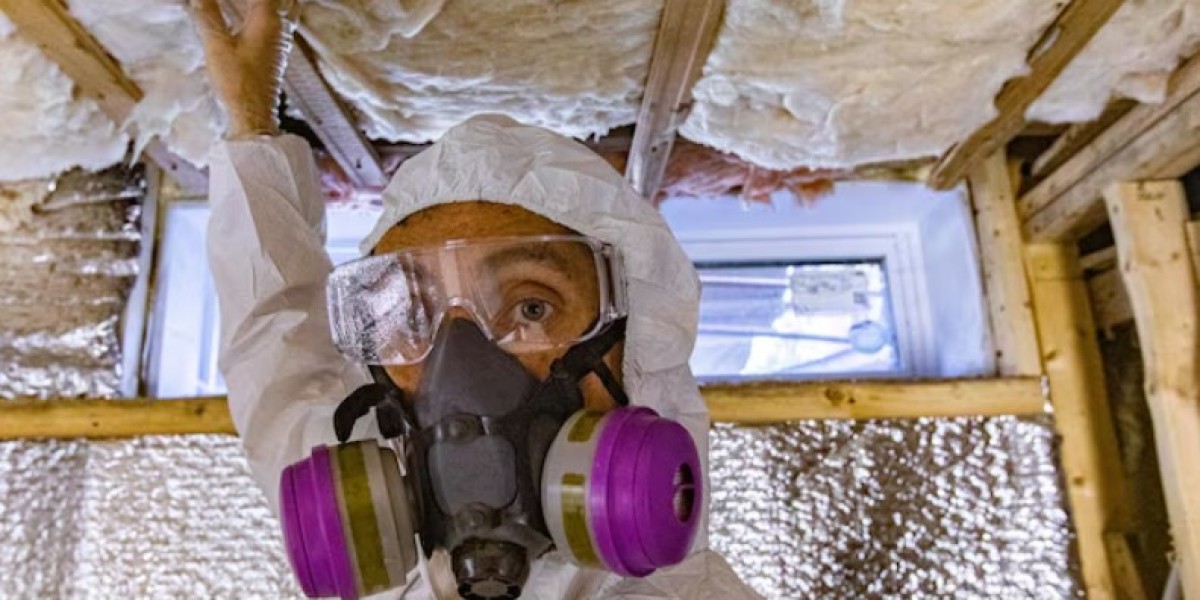

So here's the thing that got me down this rabbit hole in the first place. My contractor mentioned, kind of offhand while quoting an attic job, that I might want to consider rat proof insulation instead of just replacing what was there with the same standard stuff. I hadn't even heard the term before. I figured it was some upsell thing, honestly, until I actually looked into it and realized it's a real category, and there's a decent amount of confusion out there between rat proof insulation and rodent resistant insulation, which people tend to use almost interchangeably even though there's some nuance.
Let's actually break this down properly, because if you're dealing with rodent damage in your attic, or just trying to avoid it before it starts, this stuff matters more than the average homeowner realizes.
Why Standard Insulation Is Basically An Invitation
Regular fiberglass batt insulation, the pink fluffy stuff most houses have, is soft, warm, and completely undefended. Rats and mice chew through it constantly, not out of spite, just because it's convenient nesting material and it's sitting right there doing nothing to stop them. Once a nest gets built, the insulation around it gets compressed, torn, and basically stops doing its actual job, which is holding temperature.
That's usually how people first notice a problem, honestly — not the noise, but a weird spike in the energy bill that doesn't make sense until someone finally goes up there with a flashlight and finds a torn-up section that looks nothing like it did when it was installed.
This is exactly the gap that rat proof insulation and rodent resistant insulation are meant to fill. Instead of soft, easily-shredded material just sitting there defenseless, these products are built with rodents specifically in mind from the start.
What Rat Proof Insulation Actually Means
The term gets used a bit loosely, which is part of the confusion. Generally though, it refers to insulation that's either denser, treated with a deterrent additive, or physically reinforced in a way that makes chewing through it a lot less appealing or a lot harder to actually pull off. Some versions use materials mixed with substances rodents find unpleasant to gnaw on. Others rely more on sheer density and structure, making the material harder to tear apart or burrow into in the first place.
It's not some magic force field, to be clear. A determined enough rodent with an existing entry point can still cause damage over time. But the difference in how quickly and how badly things get chewed up is noticeable, from what I've read and from what a few contractors mentioned when I asked around.
Rodent Resistant Insulation — Same Idea, Slightly Different Angle
Rodent resistant insulation tends to be the broader term, covering products designed to resist rats and mice, and honestly, sometimes squirrels too even though they're not technically rodents in every classification people use loosely. The resistant framing usually leans more toward the physical structure of the material itself, rather than a specific chemical deterrent.
Think tightly woven or high-density fiber blends, sometimes combined with a mesh barrier layer, that just physically hold up better against chewing and nesting behavior compared to standard batts. A rodent can still try, sure, but it takes more effort and more time, and a lot of them will just move on to an easier spot if one's available nearby, like an unsealed gap somewhere they haven't fully explored yet.
Does It Actually Stop An Infestation On Its Own?
No, and this is the part that gets oversold sometimes. Rat proof or rodent resistant insulation is one piece of the puzzle, not the whole fix. If there's an active entry point somewhere in your attic, rodents are still going to get in regardless of what the insulation's made of. They just might not chew through it as easily once they're there, which honestly still matters, but it's not a substitute for actually sealing up the house.
The real approach, the one that actually works long term, involves finding and sealing every entry point first. Then, if removal's needed because something's already inside, handling that properly, accounting for any nest or babies that might be present. And then, insulation upgrade as part of the overall picture, not instead of the other steps.
Skip the sealing part and just swap in fancier insulation, and you're basically just slowing down the damage a little, not preventing the actual problem.
Is The Extra Cost Worth It?
Honestly, it depends a bit on your situation, but for most people who've already dealt with rodent damage once, yeah, it tends to be worth it. Standard insulation costs less upfront, no argument there. But if you've already replaced insulation once because of chewing or nesting damage, there's a decent chance you'll be doing it again down the line if nothing changes about the material itself, especially if full exclusion work wasn't done perfectly either.
The math kind of works itself out over time. Paying more for rat proof or rodent resistant insulation once tends to come out cheaper than replacing standard insulation two or three times because it keeps getting torn up. Doesn't mean it's the right call for absolutely everyone, but if you're in an area with a lot of rodent activity, or you've had recurring issues, it's worth at least asking your contractor about when you're due for a replacement anyway.
What To Actually Look For
If you're shopping around, ask specifically what makes a product rat proof or rodent resistant insulation rather than just taking the label at face value. Some are treated with a deterrent, some rely on density, some use a mesh barrier layer. They're not all identical even under the same general label, and the right choice depends a bit on whether you're dealing with an active problem or just trying to prevent one before it starts.
And regardless of which insulation you go with, get the entry points handled first. That part doesn't change no matter what material ends up in your attic.
If you're noticing signs of rodent activity, or you're just due for an insulation replacement and want to actually do it right this time, don't just default to the cheapest standard option out of habit. Talk to a local wildlife removal or insulation professional, get the attic properly inspected for entry points first, and ask specifically about rat proof and rodent resistant options while you're at it. Doing it properly once saves a lot of hassle compared to redoing the whole thing again in a year or two.
FAQs
1. Is rat proof insulation the same thing as rodent resistant insulation? They're closely related and often used interchangeably, but rat proof insulation sometimes leans more toward a specific chemical deterrent, while rodent resistant tends to describe the physical density or structure of the material itself. In practice, a lot of products blend both approaches anyway.
2. Will this type of insulation stop rodents from getting into my attic entirely? Not on its own, no. It makes the material harder or less appealing to chew and nest in, but if there's an open entry point, rodents can still get inside. Sealing entry points is still the essential first step regardless of insulation type.
3. Is it more expensive than regular insulation? Yes, usually, at least upfront. But if you've had repeat rodent damage before, the cost tends to even out over time since you're not paying to replace standard insulation over and over after each incident.
4. Can I install rat proof insulation myself, or does it need a professional? Some products are DIY-friendly, but proper attic inspection and entry point sealing usually benefits from professional experience, especially if there's already an active rodent presence. Getting that part right matters more than the insulation choice itself.