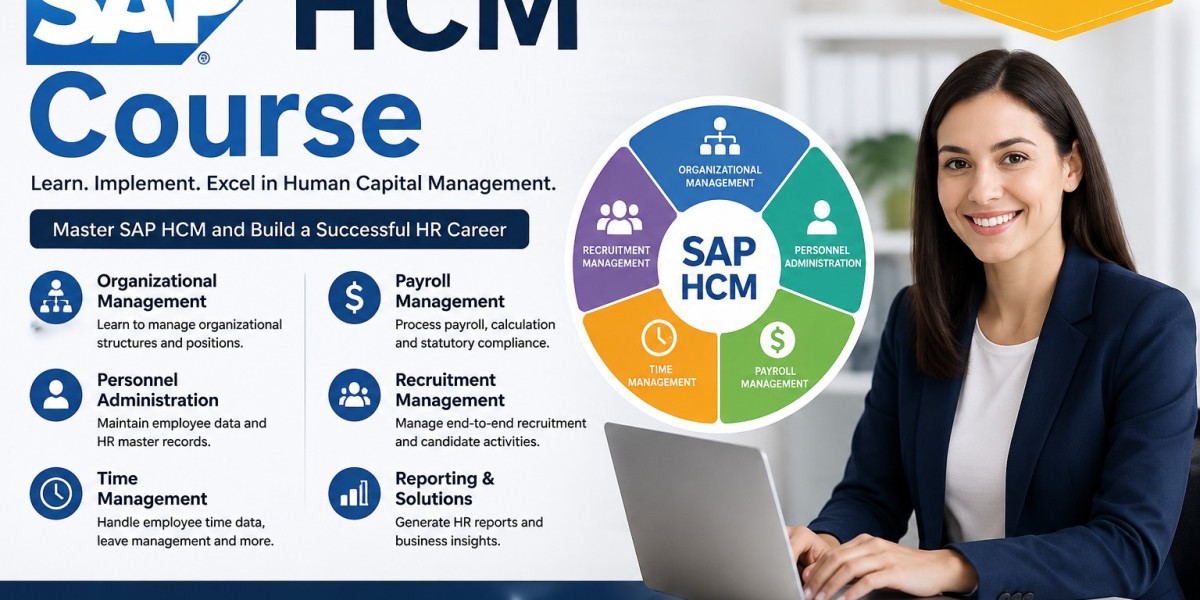

Human Resource Management is no longer just about maintaining employee records — it has evolved into a strategic function that drives organizational growth. As businesses increasingly rely on integrated digital systems to manage their workforce, SAP Human Capital Management (SAP HCM) has become one of the most sought-after skill sets in the corporate world. For professionals looking to build a rewarding career at the intersection of HR and technology, completing a SAP HCM course opens the door to a wide range of exciting opportunities.
Why SAP HCM Skills Are in High Demand
SAP HCM is a comprehensive module that helps organizations manage core HR processes such as payroll, time management, organizational management, recruitment, and employee self-service, all within a single integrated platform. As more companies migrate to SAP systems (including the newer SAP SuccessFactors and S/4HANA HCM), the demand for skilled professionals who can implement, configure, and support these systems continues to rise. This demand translates directly into strong career prospects for those who complete a SAP HCM certification or training course.
Key Career Roles After SAP HCM Training
1. SAP HCM Consultant
This is the most common and popular career path for Complete SAP HCM Course graduates. Consultants work with client organizations to understand their HR requirements, configure the SAP HCM system accordingly, and ensure smooth implementation. They may specialize in sub-modules such as Personnel Administration, Organizational Management, Time Management, or Payroll.
2. SAP HCM Functional Analyst
Functional analysts bridge the gap between business requirements and technical implementation. They gather requirements from HR departments, translate them into system configurations, and work closely with technical teams to customize SAP HCM according to organizational needs.
3. SAP HCM Support Specialist
Once a SAP HCM system is implemented, organizations need professionals to maintain and troubleshoot it. Support specialists handle day-to-day issues, system updates, and ensure the HR software runs without disruption, making this a stable, in-demand role.
4. Payroll Specialist / Payroll Consultant
Given that payroll is one of the most critical and complex sub-modules of SAP HCM, professionals with specialized knowledge in this area are highly valued. Payroll consultants configure country-specific payroll rules, tax calculations, and compliance requirements within SAP systems.
5. HR Business Partner (Techno-Functional Role)
Professionals with a strong HR background who also understand SAP HCM can position themselves as techno-functional HR business partners. This hybrid role combines strategic HR decision-making with technical system knowledge, making these professionals invaluable to organizations undergoing digital HR transformation.
6. SAP SuccessFactors Consultant
As SAP continues to push its cloud-based HCM solution, SuccessFactors, many SAP HCM professionals expand their skill set to include this platform. This opens doors to roles focused on employee central, performance management, recruitment, and learning management within the SuccessFactors ecosystem.
7. Project Manager (SAP HCM Implementations)
With experience, SAP HCM professionals can move into project management roles, overseeing entire SAP HCM implementation projects from planning through go-live, coordinating between technical teams, business stakeholders, and end users.
8. Freelance SAP HCM Consultant
Experienced professionals often choose to work as independent consultants, offering their expertise to multiple organizations on a project basis. This path offers flexibility and often higher earning potential for those with a strong track record.
Industries Hiring SAP HCM Professionals
SAP HCM skills are not limited to any single industry. Manufacturing, IT and technology, banking and financial services, healthcare, retail, and government organizations all rely on SAP systems to manage their workforce. This cross-industry demand means SAP HCM professionals enjoy diverse career options and are not restricted to a single sector.
Salary and Growth Potential
SAP HCM professionals typically command competitive salaries compared to general HR roles, owing to the specialized technical knowledge required. Entry-level consultants can expect a reasonable starting package, while experienced professionals with several years of implementation experience — particularly those skilled in payroll or SuccessFactors — can command significantly higher compensation. Career growth is often rapid for those who continuously upskill, given the constant evolution of SAP's HCM and cloud offerings.
Skills That Enhance Career Prospects
To maximize career opportunities after a SAP HCM course, professionals should also focus on:
- Gaining hands-on experience through internships or live projects
- Earning official SAP certifications
- Developing knowledge of SAP SuccessFactors and S/4HANA
- Building strong communication and business analysis skills
- Staying updated with SAP's evolving product roadmap
Conclusion
best languages to learn as a strong launchpad for a diverse and financially rewarding career. Whether you come from an HR background looking to add technical expertise, or an IT professional wanting to specialize in a high-demand functional area, SAP HCM offers multiple pathways for growth. With businesses worldwide continuing to invest in digital HR transformation, the opportunities for skilled SAP HCM professionals are only expected to expand in the coming years, making this a smart and future-proof career investment.