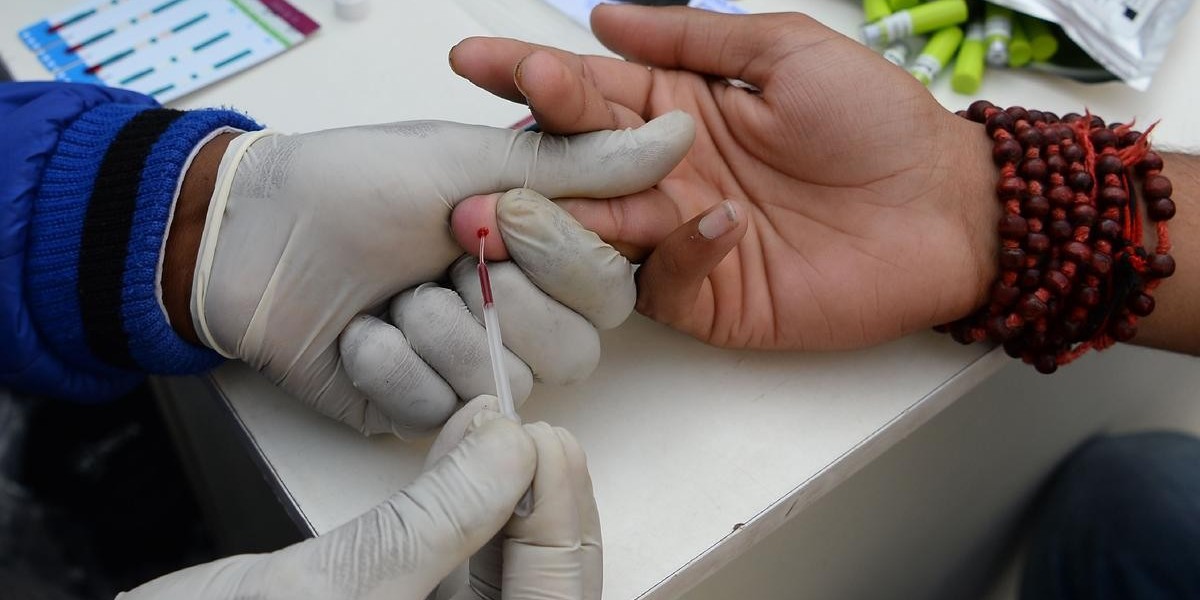

Preparing for marriage involves much more than planning a wedding ceremony or choosing a honeymoon destination. It is also the perfect time to prioritize your health and understand any medical conditions that could affect your future together. One of the most valuable steps couples can take before marriage is undergoing a marriage blood test.
A Marriage Blood Test in Dubai provides important health information that helps couples make informed decisions about family planning, pregnancy, and long-term well-being. While these screenings do not determine whether a couple is emotionally compatible, they can identify inherited disorders, infectious diseases, blood group compatibility, and other health concerns that may require medical attention.
By discussing health openly before marriage, couples build trust, reduce future health risks, and create a stronger foundation for a healthy family.
Why Pre-Marital Health Screening Matters?
Many medical conditions remain undiagnosed because they produce few or no symptoms during the early stages. A comprehensive marriage blood test helps detect these hidden conditions before they become serious health concerns.
Healthcare professionals recommend pre-marital screening because early diagnosis allows couples to receive treatment, seek genetic counseling if necessary, and understand potential risks for future children.
Rather than creating unnecessary worry, these screenings provide reassurance and encourage preventive healthcare.
What Is Included in a Marriage Blood Test?
The exact laboratory tests may vary depending on medical history, family background, and local healthcare recommendations. However, several important screenings are commonly included in a pre-marital health examination.
Blood Group and Rh Factor Testing:
One of the most common tests performed before marriage is determining each partner's blood group and Rh factor.
Although different blood types do not affect the success of a marriage, Rh compatibility becomes important during pregnancy. If an Rh-negative mother carries an Rh-positive baby, medical monitoring and preventive treatment can help avoid complications for future pregnancies.
Knowing this information in advance allows healthcare providers to prepare appropriate prenatal care.
Complete Blood Count (CBC):
A Complete Blood Count evaluates overall blood health by measuring red blood cells, white blood cells, hemoglobin, and platelets.
This test helps identify conditions such as:
Anemia
Blood infections
Immune system abnormalities
Nutritional deficiencies
Maintaining good blood health supports overall wellness before starting married life.
Screening for Genetic Disorders:
Some inherited diseases can be passed from parents to children even when both parents appear perfectly healthy.
Carrier screening is especially valuable for couples with a family history of inherited disorders or those belonging to populations where certain genetic conditions are more common.
Doctors may recommend testing for:
Thalassemia
Sickle cell disease
Cystic fibrosis
Tay-Sachs disease
Other hereditary blood disorders
If both partners carry the same genetic condition, a genetic counselor can explain reproductive options and help couples understand potential risks.
HIV Testing:
HIV screening is an important part of many pre-marital health evaluations.
Modern HIV treatments allow people to live long and healthy lives, while early diagnosis significantly reduces the risk of transmission. Knowing one's HIV status before marriage encourages responsible healthcare and protects both partners.
Hepatitis B and Hepatitis C Screening:
Hepatitis viruses affect the liver and may remain unnoticed for years.
Testing before marriage allows infected individuals to receive proper treatment while helping their partners take preventive measures, including vaccination when appropriate.
Syphilis and Other Sexually Transmitted Infection Tests:
Some sexually transmitted infections can exist without visible symptoms.
Routine screening helps detect infections early, allowing timely treatment and reducing the risk of complications during pregnancy or transmission between partners.
Healthcare providers may recommend additional STI testing based on individual medical history and lifestyle factors.
Blood Sugar Assessment:
Many doctors include blood glucose testing as part of a comprehensive health evaluation.
Early detection of diabetes or prediabetes enables individuals to make lifestyle changes before long-term complications develop.
Healthy blood sugar management benefits both personal health and future pregnancy outcomes.
Thyroid Function Tests:
The thyroid gland regulates metabolism, energy levels, and reproductive health.
Undiagnosed thyroid disorders may contribute to fertility problems, pregnancy complications, and fatigue. Identifying thyroid issues before marriage allows for effective treatment and better long-term health management.
Who Should Have a Marriage Blood Test?
Although every couple can benefit from pre-marital screening, it is especially recommended for those who:
Plan to have children
Have a family history of inherited diseases
Come from communities where genetic blood disorders are common
Have unknown vaccination records
Want a complete health assessment before marriage
Have existing medical conditions requiring ongoing care
Personalized screening recommendations should always come from a qualified healthcare provider.
Benefits of Pre-Marital Blood Testing:
Choosing to undergo health screening before marriage offers numerous advantages beyond identifying medical conditions.
Supports Healthy Pregnancy Planning:
Understanding blood group compatibility and genetic risks helps couples prepare for safer pregnancies and healthier babies.
Encourages Preventive Healthcare:
Early diagnosis allows treatment before conditions worsen, improving long-term health outcomes.
Protects Both Partners:
Screening for infectious diseases reduces the likelihood of unknowingly transmitting infections between spouses.
Promotes Honest Communication:
Open discussions about health create transparency, strengthen trust, and encourage shared responsibility for future medical decisions.
Provides Peace of Mind:
Knowing that both partners have completed recommended health screenings allows couples to enter marriage with greater confidence.
Common Myths About Marriage Blood Tests:
Several misconceptions continue to surround pre-marital blood testing. Understanding the facts helps couples make informed choices.
Myth: Blood Tests Determine Love Compatibility
Medical testing cannot measure emotional connection, trust, personality, or relationship success.
Healthy marriages are built through communication, mutual respect, and commitment—not laboratory results.
Myth: Different Blood Types Should Not Marry
Blood group differences rarely prevent marriage.
The primary medical consideration involves Rh factor during pregnancy, which modern healthcare can successfully manage.
Myth: Healthy People Do Not Need Screening
Many inherited disorders and infectious diseases produce no symptoms for years.
Routine screening often identifies conditions that would otherwise remain undiagnosed.
Myth: Genetic Disorders Always Mean Couples Should Avoid Marriage
Being a carrier does not necessarily prevent marriage.
Genetic counseling provides valuable information about reproductive options and available medical support.
How to Prepare for a Pre-Marital Blood Test?
Preparation depends on the specific laboratory tests ordered.
Healthcare providers may recommend:
Fasting before certain blood tests
Bringing previous medical records
Sharing family medical history
Informing the laboratory about current medications
Discussing any existing health concerns with the physician
Following medical instructions helps ensure accurate test results.
Understanding Your Test Results:
Receiving laboratory results should always involve consultation with a qualified healthcare professional.
Normal results provide reassurance, while abnormal findings often require additional evaluation rather than immediate concern.
Depending on the diagnosis, doctors may recommend:
Additional blood testing
Specialist referrals
Vaccinations
Medication
Lifestyle modifications
Genetic counseling
Many health conditions identified during screening are highly manageable when detected early.
Beyond Blood Tests: Other Important Pre-Marital Health Considerations
While blood testing is an essential part of pre-marital healthcare, couples should also discuss broader aspects of wellness.
Topics worth exploring include:
Mental health history
Chronic medical conditions
Fertility concerns
Vaccination status
Nutrition and exercise habits
Family medical history
Substance use
Long-term healthcare goals
Addressing these issues together encourages healthier relationships and better future planning.
Frequently Asked Questions:
Is a marriage blood test mandatory?
Requirements differ between countries. Some governments require pre-marital health screening, while others leave it entirely voluntary.
Can a blood test detect infertility?
No. Standard marriage blood tests do not diagnose infertility. Fertility evaluation requires specialized medical examinations.
How long does a marriage blood test take?
Most blood samples are collected within a few minutes, while laboratory results are generally available within several days depending on the tests performed.
Should both partners undergo testing?
Yes. Screening both individuals provides a complete understanding of potential health risks and supports informed family planning decisions.
Final Thoughts:
A marriage blood Lab tests is not about questioning love or measuring relationship compatibility. Instead, it serves as an important preventive healthcare tool that identifies inherited disorders, infectious diseases, blood group compatibility, and other medical conditions that may affect a couple's future. Completing recommended pre-marital health screenings allows couples to make informed decisions, seek timely treatment when necessary, and plan for a healthier family. By combining medical awareness with open communication, mutual trust, and responsible healthcare, couples can begin married life with greater confidence, peace of mind, and a shared commitment to lifelong well-being.