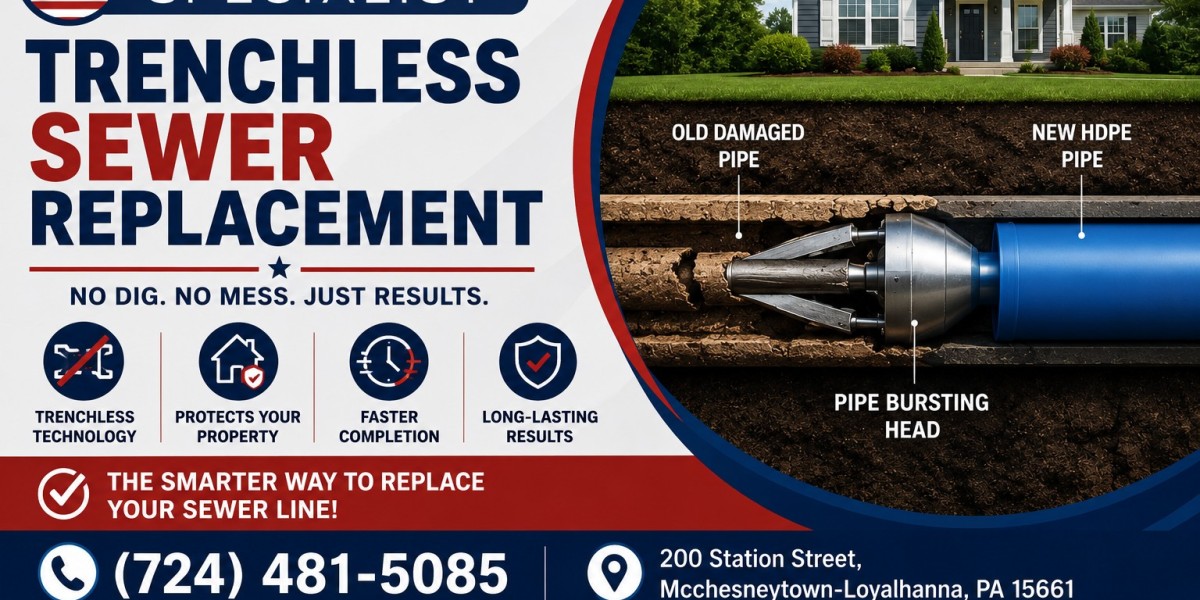

Sewer line problems can disrupt your daily life, causing unpleasant odors, slow drains, sewage backups, and costly property damage. Traditional sewer replacement often requires digging up lawns, driveways, sidewalks, and landscaping, leaving homeowners with expensive restoration costs. Fortunately, trenchless sewer replacement offers a modern, efficient, and less invasive alternative.
This guide explains how trenchless sewer replacement works, its benefits, common signs of sewer line damage, and why it has become the preferred choice for homeowners and businesses.
What Is Trenchless Sewer Replacement?
Trenchless sewer replacement is an advanced plumbing method that replaces damaged underground sewer pipes without the need for extensive excavation. Instead of digging a long trench across your property, plumbers create one or two small access points to remove and replace the old pipe.
This innovative technology minimizes disruption while providing a durable, long-lasting sewer system.
How Does Trenchless Sewer Replacement Work?
Before replacing the sewer line, plumbing professionals perform a camera inspection to determine the pipe's condition and identify the exact location of the damage.
Depending on the situation, they typically use one of two trenchless methods:
1. Pipe Bursting
Pipe bursting involves breaking apart the existing damaged pipe while simultaneously pulling a new high-density polyethylene (HDPE) pipe into place.
This method is ideal when the existing pipe is severely damaged or collapsed.
2. Pipe Lining (Cured-In-Place Pipe)
If the existing pipe is structurally sound, a flexible liner coated with epoxy resin is inserted into the damaged pipe. Once cured, it forms a seamless new pipe within the old one.
This method restores pipe integrity without removing the existing pipeline.
Benefits of Trenchless Sewer Replacement
Minimal Property Damage
Unlike traditional excavation, trenchless technology preserves:
- Lawns
- Gardens
- Driveways
- Sidewalks
- Patios
- Landscaping
Your property remains largely intact after the project is completed.
Faster Installation
Most trenchless sewer replacement projects can be completed within one or two days, while traditional methods may take several days or even weeks.
Long-Lasting Results
Modern replacement materials such as HDPE are:
- Corrosion-resistant
- Root-resistant
- Leak-resistant
- Highly durable
Many trenchless sewer systems can last 50 years or more with proper maintenance.
Lower Overall Costs
Although the installation cost may be similar to traditional replacement, homeowners often save money by avoiding:
- Landscape restoration
- Concrete replacement
- Driveway repairs
- Sidewalk reconstruction
These savings make trenchless technology a cost-effective investment.
Environmentally Friendly
Less digging means reduced soil disruption, fewer heavy machines, and minimal environmental impact.
Signs You May Need Trenchless Sewer Replacement
Common warning signs include:
- Frequent drain clogs
- Multiple slow drains
- Sewage backups
- Gurgling sounds from drains
- Bad sewer odors
- Wet spots in the yard
- Unusually green patches of grass
- Foundation settlement caused by underground leaks
If you notice any of these symptoms, schedule a professional sewer inspection as soon as possible.
Common Causes of Sewer Line Damage
Several factors can damage underground sewer pipes, including:
Tree Root Intrusion
Tree roots naturally seek moisture and often invade aging sewer pipes through small cracks.
Aging Pipes
Older clay, cast iron, and Orangeburg pipes deteriorate over time.
Ground Movement
Shifting soil, earthquakes, or construction activities may crack underground pipes.
Corrosion
Metal sewer lines eventually corrode, causing leaks and structural failure.
Grease and Debris Buildup
Repeated blockages place excessive pressure on aging sewer systems.
Is Trenchless Sewer Replacement Right for Every Situation?
While trenchless technology works in many situations, it may not be suitable if:
- The pipe has completely collapsed beyond repair.
- Severe ground shifting has occurred.
- The sewer line is inaccessible.
- Major structural damage affects surrounding utilities.
A professional camera inspection will determine the most effective repair solution.
The Trenchless Sewer Replacement Process
A typical project includes:
Initial Inspection
A sewer camera identifies the location and severity of the damage.
Cleaning the Pipe
Hydro jetting removes grease, roots, and debris before replacement.
Access Point Excavation
Small entry and exit holes are created at each end of the sewer line.
Pipe Installation
Using pipe bursting or pipe lining technology, the new pipe is installed underground.
Final Testing
A final camera inspection confirms proper installation and optimal water flow.
Why Hire a Professional Plumbing Contractor?
Experienced plumbing professionals provide:
- Accurate sewer inspections
- Advanced trenchless equipment
- Code-compliant installation
- High-quality replacement materials
- Long-term warranties
- Reliable workmanship
Professional installation helps prevent future sewer issues and extends the life of your plumbing system.
Tips to Extend the Life of Your Sewer Line
After your trenchless sewer replacement, follow these maintenance tips:
- Avoid flushing wipes or hygiene products.
- Dispose of cooking grease properly.
- Schedule regular sewer inspections.
- Remove invasive tree roots near sewer lines.
- Address minor drain problems before they worsen.
Proper maintenance helps maximize the lifespan of your new sewer system.
Frequently Asked Questions
How long does trenchless sewer replacement take?
Most projects are completed in one to two days, depending on the length and condition of the sewer line.
Is trenchless sewer replacement expensive?
The upfront cost is often comparable to traditional replacement, but homeowners frequently save money by avoiding major landscape and driveway repairs.
How long will the new sewer pipe last?
High-quality trenchless sewer pipes can last 50 years or longer with proper maintenance.
Can tree roots damage the new pipe?
Modern HDPE pipes are highly resistant to root intrusion, making them much more durable than older pipe materials.
Conclusion
Trenchless sewer replacement is an innovative, efficient, and cost-effective solution for replacing damaged sewer lines with minimal disruption to your property. By eliminating extensive excavation, homeowners can enjoy faster repairs, lower restoration costs, and a durable plumbing system built to last. If you're experiencing recurring sewer problems, consulting a qualified plumbing professional about trenchless sewer replacement can help restore your system quickly while protecting your landscape and investment.