
A damaged sewer line can cause unpleasant odors, slow drains, sewage backups, and expensive property damage. Fortunately, Sewer Liner Installation provides a modern, trenchless method for repairing damaged pipes without the need for extensive excavation. This innovative solution restores the integrity of your sewer line, extends its lifespan, and minimizes disruption to your property.
What Is Sewer Liner Installation?
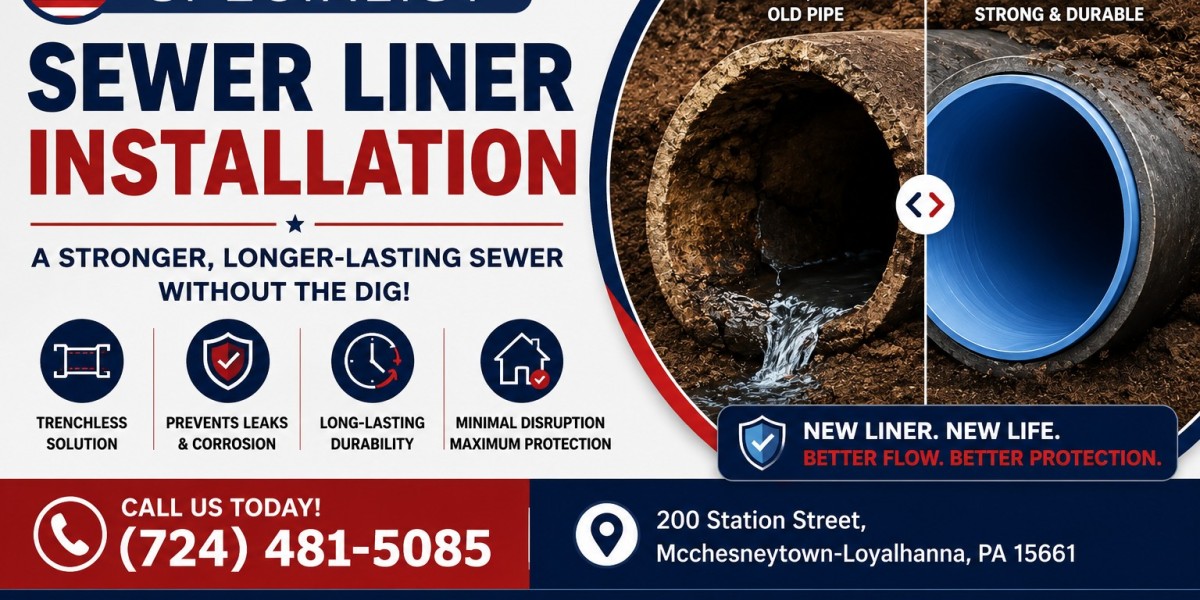
Sewer liner installation, also known as Cured-In-Place Pipe (CIPP) lining, is a trenchless sewer repair method that creates a new pipe inside an existing damaged pipe. Instead of removing and replacing the old sewer line, a flexible liner coated with epoxy resin is inserted into the damaged pipe. Once in place, the liner hardens to form a seamless, durable new pipe.
This process is commonly used to repair:
- Cracked sewer pipes
- Leaking sewer lines
- Root intrusion damage
- Corroded cast iron pipes
- Minor pipe separations
- Aging sewer systems
The result is a strong, long-lasting sewer line with improved flow and reduced risk of future damage.
How Sewer Liner Installation Works
Professional plumbing contractors follow a proven process to ensure a successful repair.
1. Sewer Camera Inspection
The process begins with a video camera inspection to identify the location, condition, and extent of the sewer line damage.
2. Cleaning the Sewer Line
The existing pipe is thoroughly cleaned using hydro jetting or specialized equipment to remove debris, grease, roots, and buildup that could interfere with the liner.
3. Liner Preparation
A flexible liner is saturated with a high-quality epoxy resin designed to bond with the inside of the existing pipe.
4. Liner Insertion
The resin-coated liner is inserted into the damaged sewer pipe using air or water pressure until it fully lines the interior of the existing pipe.
5. Curing Process
The liner is cured using hot water, steam, or ultraviolet (UV) light, allowing the epoxy to harden into a seamless new pipe within the old one.
6. Final Inspection
After curing, another sewer camera inspection confirms that the liner has been installed correctly and the sewer line is functioning properly.
Benefits of Sewer Liner Installation
Homeowners and business owners choose trenchless sewer lining because it offers several advantages over traditional sewer replacement.
Minimal Excavation
Sewer liner installation requires little or no digging, helping preserve:
- Lawns
- Landscaping
- Driveways
- Sidewalks
- Patios
- Trees and gardens
Faster Repairs
Most sewer liner installation projects can be completed within one day, reducing inconvenience and downtime.
Long-Lasting Performance
The cured epoxy liner creates a corrosion-resistant pipe that can last 50 years or more with proper maintenance.
Improved Flow Capacity
The smooth interior surface of the liner reduces friction, allowing wastewater to flow more efficiently and decreasing the likelihood of future blockages.
Cost-Effective Solution
Because trenchless repairs eliminate extensive excavation and property restoration, many homeowners save money compared to traditional sewer replacement.
Signs You May Need Sewer Liner Installation
You may benefit from sewer lining if you notice:
- Frequent drain clogs
- Slow drains throughout the home
- Sewage odors
- Recurring sewer backups
- Tree root intrusion
- Cracked or leaking sewer pipes
- Wet spots in the yard
- Aging sewer infrastructure
A professional sewer inspection can determine whether sewer lining is the appropriate repair method.
Sewer Liner Installation vs. Traditional Sewer Replacement
While both methods restore damaged sewer lines, trenchless sewer lining offers several advantages.
Sewer Liner Installation:
- Minimal digging
- Faster completion
- Lower property restoration costs
- Long-lasting epoxy liner
- Less disruption to daily life
Traditional Sewer Replacement:
- Extensive excavation
- Longer project timeline
- Greater landscape and driveway damage
- Higher restoration expenses
- Recommended for completely collapsed or severely damaged pipes
Your plumbing professional will recommend the best solution based on the condition of your sewer line.
Why Hire a Professional Sewer Lining Contractor?
Proper sewer liner installation requires specialized equipment, technical expertise, and quality materials. Experienced contractors provide:
- Accurate sewer camera inspections
- Professional pipe cleaning
- High-quality epoxy lining systems
- Code-compliant installation
- Thorough testing and final inspections
- Reliable warranties and ongoing support
Professional installation helps ensure a durable, leak-free sewer system for decades.
Contact a Sewer Liner Installation Specialist Today
If your sewer line is cracked, leaking, or damaged by tree roots, Sewer Liner Installation offers a fast, efficient, and trenchless repair solution. By restoring your existing pipes without major excavation, this advanced technology saves time, protects your property, and delivers long-lasting performance. Contact a trusted sewer repair specialist today to schedule an inspection and learn if sewer lining is the right solution for your home or business.