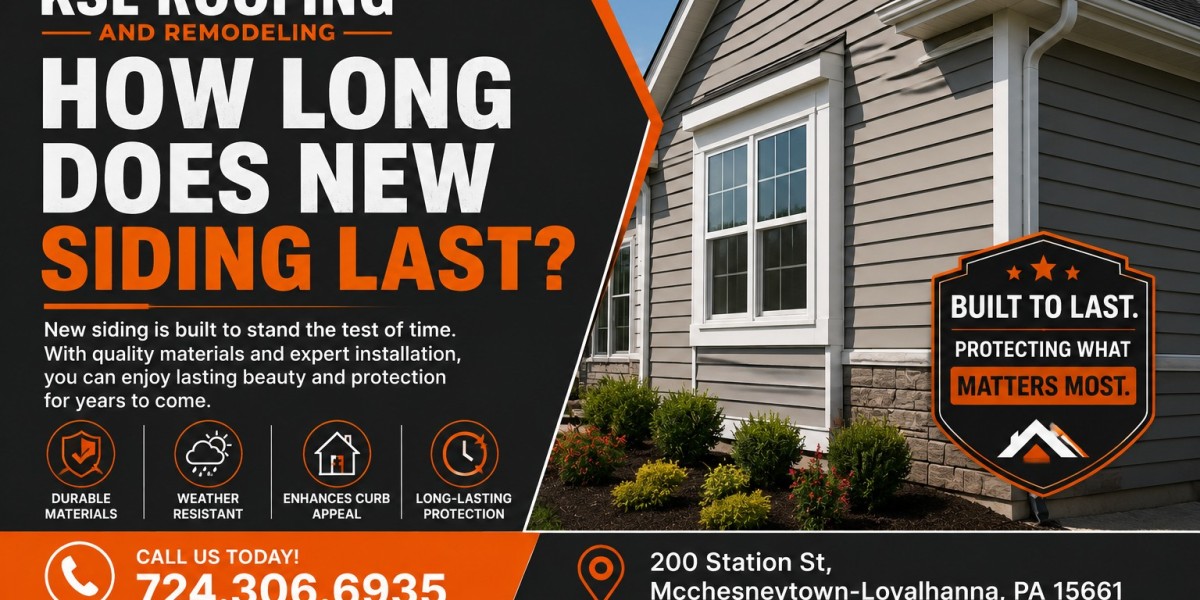

Installing new siding is one of the best investments you can make for your home. It enhances curb appeal, improves energy efficiency, and protects your property from harsh weather conditions. However, many homeowners ask the same question: How long does new siding last? The answer depends on the type of siding, installation quality, climate, and ongoing maintenance.
Average Lifespan of Different Siding Materials
Different siding materials offer varying levels of durability and longevity.
Vinyl Siding
Vinyl siding is one of the most popular choices for homeowners because it is affordable and requires minimal maintenance. With proper installation and routine care, vinyl siding typically lasts 20 to 40 years.
Fiber Cement Siding
Fiber cement siding is known for its exceptional durability. It resists moisture, fire, insects, and harsh weather conditions, making it a long-lasting option with an average lifespan of 50 years or more.
Wood Siding
Wood siding offers timeless beauty and natural charm. With regular painting, staining, and maintenance, wood siding can last 20 to 40 years, and in some cases even longer.
Engineered Wood Siding
Engineered wood siding combines the appearance of real wood with improved resistance to moisture and pests. Most products have a lifespan of 20 to 30 years when properly maintained.
Metal Siding
Steel and aluminum siding are durable, weather-resistant options that generally last 40 to 70 years, depending on the material and maintenance.
Brick and Stone Veneer
Brick and stone veneer siding are among the longest-lasting exterior materials. With proper installation and maintenance, they can remain in excellent condition for 50 to 100 years or more.
Factors That Affect Siding Lifespan
Several factors determine how long your new siding will last.
Quality of Installation
Professional installation is one of the most important factors. Improper installation can lead to moisture intrusion, warping, and premature damage. Hiring experienced contractors helps ensure your siding performs as intended.
Weather Conditions
Extreme temperatures, heavy rain, snow, hail, strong winds, and prolonged sun exposure can gradually reduce the lifespan of siding materials.
Routine Maintenance
Regular cleaning, inspections, and prompt repairs help prevent small problems from becoming costly damage. Maintaining caulking, repainting wood siding, and replacing damaged panels can significantly extend your siding's lifespan.
Material Quality
Premium siding products are manufactured with higher-quality materials and often include longer warranties, making them a better long-term investment.
Signs Your Siding May Need Replacement
Even durable siding eventually wears out. Watch for these warning signs:
- Cracks or holes
- Warping or buckling
- Fading or discoloration
- Mold or mildew growth
- Rot or moisture damage
- Peeling interior paint
- Higher energy bills
- Frequent repair needs
If you notice multiple signs, it may be time to schedule a professional siding inspection.
Tips to Extend the Life of Your Siding
Proper care can help maximize your siding investment.
- Clean siding at least once a year.
- Inspect for damage after major storms.
- Repair cracks or loose panels promptly.
- Keep gutters clean to prevent water damage.
- Trim trees and shrubs away from exterior walls.
- Schedule professional inspections every few years.
Preventive maintenance helps your siding remain attractive and functional for decades.
Benefits of Installing New Siding
Replacing old siding offers several long-term advantages:
- Improved curb appeal
- Better energy efficiency
- Increased home value
- Enhanced weather protection
- Reduced maintenance costs
- Greater resistance to moisture and pests
- Improved insulation and indoor comfort
Modern siding materials are designed to provide both beauty and long-lasting performance.
Conclusion
So, how long does new siding last? The answer depends largely on the material you choose and how well it is maintained. Vinyl siding generally lasts 20 to 40 years, fiber cement can exceed 50 years, metal siding often lasts 40 to 70 years, and brick or stone veneer may protect your home for generations. Choosing high-quality materials, hiring experienced installers, and performing regular maintenance will help ensure your new siding delivers lasting value and protection for many years to come.