
Marriage today is no longer planned only around emotional readiness, cultural compatibility, or financial stability. A growing part of modern relationship planning includes health evaluation before marriage. Among the most important tools in this process is the marriage blood test, a comprehensive premarital screening approach designed to assess genetic, infectious, and overall health conditions of both partners.
This guide explains how a Marriage Blood Test in Dubai works, what it includes, why it matters for long-term family health, and how it supports informed decision-making. Instead of treating it as a medical formality, it should be viewed as a proactive step toward building a healthier future together.
Health Mapping Before Marriage: Understanding the Core Purpose:
A marriage blood test is essentially a preventive health assessment conducted before marriage to identify potential medical risks that could affect either partner or future children. It combines several diagnostic tests into one screening package offered by diagnostic laboratories and healthcare providers.
The core purpose is health mapping—understanding hidden conditions that may not show symptoms but can have long-term consequences. These include genetic disorders, blood-related diseases, and infectious illnesses that may influence fertility, pregnancy outcomes, and family planning decisions.
In regions where hereditary conditions like thalassemia are common, premarital screening is widely encouraged as part of public health awareness programs. It is not about restricting marriage choices but about increasing medical awareness before life-long commitments.
What a Marriage Blood Test Typically Includes?
A complete marriage blood test package is designed to evaluate multiple health dimensions in one go. While exact components may vary by laboratory, most standard premarital screening panels include the following:
Blood Group and Rh Factor Compatibility:
Blood typing identifies ABO blood group and Rh factor status. This is important because Rh incompatibility between partners can affect pregnancy outcomes. If an Rh-negative mother carries an Rh-positive baby, medical monitoring and preventive injections may be required to avoid complications.
Genetic Disorder Screening:
One of the most critical parts of a premarital health check is genetic screening. Conditions like thalassemia trait, sickle cell anemia, and other hemoglobin disorders can be carried silently without symptoms. If both partners are carriers, there is a higher risk of passing severe forms of these diseases to children.
Infectious Disease Testing:
Marriage blood tests also include screening for infectious diseases such as:
- Hepatitis B surface antigen (HBsAg)
- Hepatitis C virus (HCV) antibodies
- Human Immunodeficiency Virus (HIV)
Early detection of these infections allows timely treatment and reduces the risk of transmission between partners or from mother to child during pregnancy.
Complete Blood Count and General Health Indicators:
A complete blood count (CBC) evaluates overall health status by checking hemoglobin levels, white blood cells, and platelet counts. It can indicate conditions such as anemia, infections, or immune system irregularities that may require medical attention.
Why Marriage Blood Testing Matters in Modern Healthcare?
The importance of marriage blood testing is closely linked to preventive healthcare principles. Instead of waiting for symptoms to appear, individuals are encouraged to identify risks early and manage them proactively.
One of the most significant benefits is prevention of genetic diseases. When both partners understand their carrier status for inherited conditions, they can consult genetic counselors and make informed reproductive choices. This helps reduce the likelihood of serious childhood illnesses.
Another major benefit is reproductive health protection. Infectious diseases like hepatitis and HIV can impact pregnancy outcomes if not diagnosed early. With proper medical care, risks can be significantly reduced, ensuring safer pregnancies and healthier children.
Marriage blood tests also support emotional preparedness. Couples who are aware of each other’s health status tend to develop stronger trust and clearer communication, especially when discussing sensitive topics like fertility, chronic illness, or long-term treatment plans.
The Role of Genetic Awareness in Family Planning:
Genetic awareness is one of the most valuable outcomes of premarital screening. Many people carry recessive gene traits without knowing it because they do not show visible symptoms.
When both partners are carriers of the same genetic disorder, there is a higher probability of the child inheriting a severe form of that condition. This is particularly relevant in cases of hemoglobin disorders such as thalassemia major.
Modern healthcare offers solutions such as prenatal testing, genetic counseling, and assisted reproductive technologies that help couples plan safer pregnancies. However, all of these begin with awareness created through a marriage blood test.
This step transforms marriage planning into a more informed process where medical science supports personal decisions.
Emotional and Social Value of Premarital Health Screening:
While marriage blood tests are medically focused, their emotional and social impact is equally important. Health transparency strengthens relationships by removing uncertainty and building mutual understanding.
In many cultures, discussing health before marriage may feel uncomfortable. However, framing it as a shared responsibility rather than an individual obligation helps normalize the conversation. Couples who approach premarital screening together often report better communication and reduced anxiety about future health concerns.
It also encourages family involvement in a more informed way. Instead of assumptions or misunderstandings, families can focus on factual health information when supporting marriage decisions.
Socially, premarital screening reflects a shift toward responsible lifestyle planning, where physical well-being is considered as important as financial and emotional readiness.
Step-by-Step Process of Getting a Marriage Blood Test:
Understanding the process helps reduce hesitation and makes premarital screening easier to approach.
Step 1: Consultation with a Healthcare Provider
A doctor or diagnostic specialist evaluates the couple’s health history and recommends appropriate tests based on risk factors and regional health concerns.
Step 2: Sample Collection
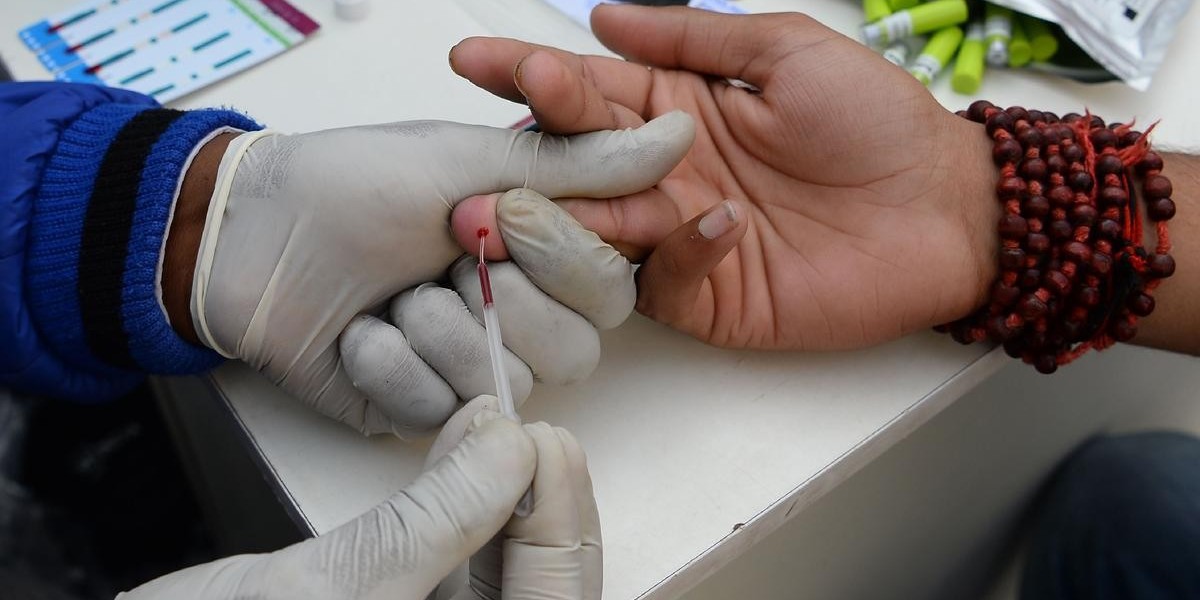
Blood samples are collected in a clinical laboratory setting. The process is quick, minimally invasive, and typically completed within minutes.
Step 3: Laboratory Analysis
Samples are tested for blood group compatibility, genetic markers, infectious diseases, and overall blood health indicators.
Step 4: Medical Report Review
A healthcare professional interprets the results and explains any findings in detail. If any risk factors are identified, further tests or genetic counseling may be suggested.
Step 5: Decision-Making and Counseling
Couples may choose to undergo additional counseling sessions to understand implications for marriage planning and future family health.
Common Misunderstandings About Marriage Blood Tests:
Despite increasing awareness, several misconceptions still exist around premarital screening.
One common misunderstanding is that it reflects distrust between partners. In reality, it is a preventive healthcare measure similar to vaccinations or routine physical exams. It is designed to protect, not to question.
Another misconception is that only individuals with visible health problems need testing. Many conditions, especially genetic and infectious diseases, remain asymptomatic for long periods.
Some also believe that test results can negatively impact marriage decisions. However, medical information is meant to guide planning, not to create judgment. With modern medical care, most conditions can be managed effectively.
How Marriage Blood Tests Support Long-Term Relationship Stability?
A healthy marriage is built on trust, communication, and shared responsibility. A marriage blood test contributes to these elements by providing clarity about health status from the beginning.
It reduces the risk of unexpected medical crises later in life, which can create emotional and financial strain. It also supports better pregnancy planning, reducing complications and improving maternal and child health outcomes.
By identifying potential risks early, couples can focus on solutions rather than surprises. This proactive approach strengthens long-term relationship stability and family well-being.
Integration of Premarital Screening into Modern Lifestyle:
As preventive healthcare becomes more common, premarital screening is increasingly being integrated into lifestyle planning alongside financial planning, career planning, and personal development.
Many couples now include marriage blood tests as part of engagement preparations. Diagnostic laboratories offer comprehensive premarital health packages that combine genetic screening, infectious disease testing, and general health assessments in one service.
This integration reflects a broader shift in society where health awareness is becoming a natural part of relationship preparation.
Frequently Asked Questions:
What is a marriage blood test used for?
It is used to assess blood compatibility, detect genetic disorders, and screen for infectious diseases before marriage to ensure informed health decisions.
Is a marriage blood test compulsory?
It depends on the country or healthcare system. In many places, it is recommended but not legally required.
Can marriage blood tests detect all diseases?
No, but they cover major genetic, infectious, and general health indicators. Additional specialized tests may be required for specific concerns.
How long do marriage blood test results take?
Most results are available within a few hours to a couple of days depending on the laboratory and type of tests conducted.
Conclusion: Building Strong Marriages Through Health Awareness
Marriage is a lifelong partnership that extends beyond emotional connection into shared health and future planning. A marriage blood Lab tests serves as a powerful preventive tool that helps couples understand their medical compatibility and prepare for a healthier future together.
By identifying genetic risks, infectious diseases, and blood compatibility factors early, couples gain the ability to make informed decisions supported by medical science. This transforms marriage from a purely emotional commitment into a well-prepared life partnership.
In a world where preventive healthcare is becoming essential, premarital screening stands as a practical and responsible step toward building stronger families and healthier generations.