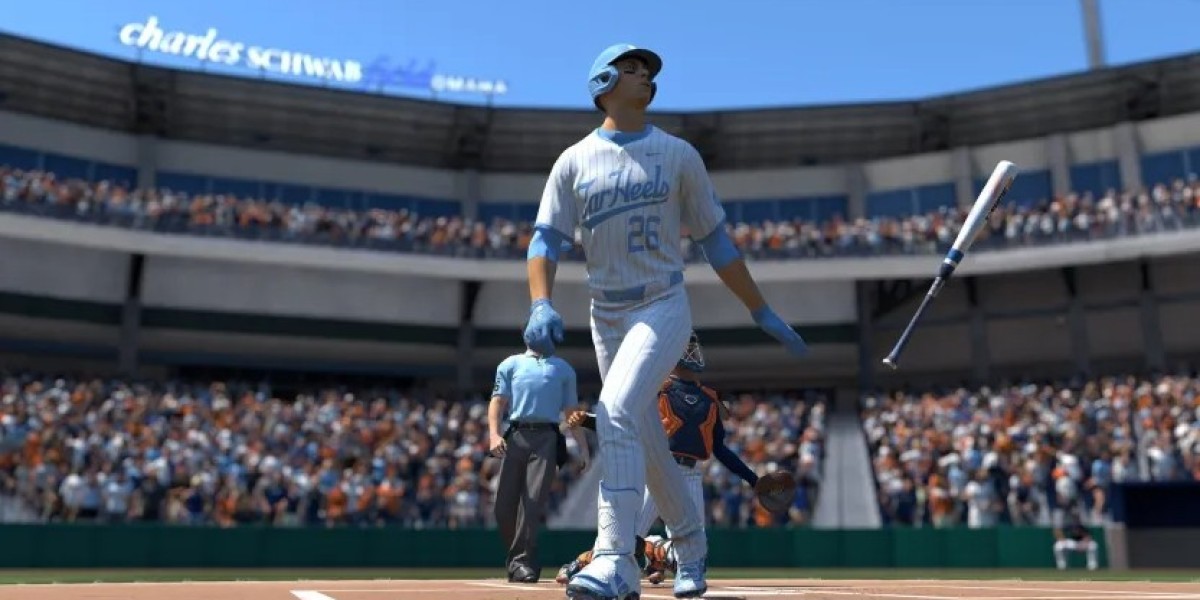

If you spend enough time in MLB The Show 26, you'll notice pretty fast that hitting is less about swinging hard and more about reading the whole at-bat. Pitch speed matters, sure. So does count, hitter type, and the way the pitcher likes to work inside or away. A lot of players also end up thinking about roster upgrades and how much value they can squeeze out of every card, especially when they are building around MLB 26 Stubs, because a good lineup only goes so far if you cannot actually turn pitches into runs.
Swing choices change the whole feel of an inning
The swing you pick should match the spot you are in, not just your favorite button mash. Normal Swing is still the safest choice for most plate appearances. It gives you a solid mix of contact and power, and that balance matters when you are trying to stay in a game instead of chasing one big swing. Contact Swing has its place too. Two strikes, runners moving, or a pitcher who keeps dotting the edges of the zone, that is where a shorter swing can keep the inning alive. Power Swing is the gamble. It can punish a mistake, but if you are late even a little, the result usually looks ugly. Bunting? That is still a niche play. Useful now and then, but not something you want to lean on unless the defense is sleeping or you have pure speed on the bases.
The hitting interface you choose matters more than people admit
Zone Hitting is still the one most serious players lean on because it gives you real control over where the PCI ends up. That control is a big deal. When you start recognizing pitch shapes and locating the strike zone faster, Zone Hitting lets you turn decent swings into hard contact. Fixed Zone Hitting is a little different and some players like the feel because it rewards guessing right more than frantic stick movement. Big Zone Hitting can help if you are still learning or you just want a cleaner look at the ball. Timing Hitting strips out the PCI and keeps things simple, which is fine if you want less stress and fewer inputs. Directional Hitting sits in the middle and gives you some influence without asking you to manage every tiny movement. Most people find one mode that fits their hands, then stick with it long enough to get comfortable.
Good hitters usually do one thing well first
They do not chase. That sounds obvious, but it is the part a lot of players skip when they are trying to force offense. If you swing at everything early in the count, the pitcher never has to adjust. If you are patient, you get better pitches and better counts. When the count gets to 2-0 or 3-0, you can sit on something you like and look to drive it. On the other hand, when you are down to two strikes, the goal changes. You are not trying to hit a perfect moonshot. You are trying to stay alive, foul off the close ones, and make the pitcher work. That little change in mindset does a lot. It keeps innings going and puts pressure on the other side, which is where games start to open up.
Reading pitches is where most games are won
Once you know what a pitcher actually throws, the whole at-bat starts to slow down a bit. You stop reacting to every pitch the same way. Fastball first is still a smart rule for a lot of players, because it keeps your hands ready and your eyes on the top half of the zone. From there, you adjust. If somebody leans on sliders or sweepers when they get ahead, you start waiting a hair longer. If they live on off-speed stuff early, you stop cheating to velocity so much. People talk about timing and PCI placement all the time, and both matter, but pitch recognition is what lets those skills show up in the first place. The better you are at spotting patterns, the less random the game feels.
Little settings can change how comfortable you feel at the plate
MLB The Show 26 adds a few options that really do matter once you settle in. PCI Sensitivity is one of them. Higher sensitivity helps if you want quicker reactions against hard throwers, though it can feel twitchy if your hands get sloppy. Lower sensitivity gives you a steadier move and can make it easier to stay under control. The game also tones down some of the old frustration against certain breaking balls, so now the focus leans more toward smart decisions than weird PCI penalties. A lot of players also like the new visual depth-of-field setting because it helps the ball stand out a bit more out of the pitcher's hand. And then there is the ABS Challenge System, which can matter more than you think. Saving a challenge for a big spot, or using it when a borderline call could flip the count, can save an at-bat you would've otherwise lost.
Final Thoughts
The best hitters in MLB The Show 26 usually look calm, but they are doing a lot under the hood. They know when to swing normal, when to shorten up, when to sit back, and when to trust the pitch they are hunting. They also know that a good lineup still needs good decisions. That is why players who build carefully and maybe buy MLB The Show 26 Stubs to speed things up still have to learn the same hitting basics if they want those upgrades to matter. Once you start mixing patience, timing, and a cleaner read on pitches, the offense stops feeling forced and starts feeling a lot more natural.