
The cornea is one of the most important structures of the human eye. As the transparent front surface of the eye, it plays a vital role in focusing light and contributing to clear vision. Because of its position, the cornea is constantly exposed to environmental factors such as dust, pollutants, allergens, microorganisms, and physical injuries. This exposure makes it particularly vulnerable to a wide range of conditions that can affect both vision and overall ocular health.
Many corneal disorders begin with subtle changes that may not cause noticeable symptoms during their early stages. As a result, individuals often remain unaware of developing problems until vision becomes affected or discomfort becomes significant. Early identification of corneal conditions allows eye care professionals to intervene before complications occur, helping to preserve visual function and improve treatment outcomes.
In modern eye care, timely detection has become a critical component of preventive healthcare and long-term vision preservation.
Understanding the Importance of Corneal Health
The cornea contributes significantly to the eye's focusing power. Its transparency, smooth surface, and structural integrity are essential for maintaining clear and comfortable vision.
A healthy cornea supports:
- Proper light transmission
- Sharp visual focus
- Protection against external threats
- Stable tear film distribution
- Overall ocular comfort
When the cornea becomes damaged or diseased, even minor abnormalities can affect visual performance and quality of life.
Because many corneal disorders progress gradually, regular examinations are necessary to identify potential concerns before they become severe.
Common Corneal Conditions
Various conditions can affect the cornea, ranging from mild surface irritation to serious disorders that threaten vision.
Some commonly encountered corneal conditions include:
Corneal Infections
Bacterial, viral, fungal, and parasitic infections can damage corneal tissue and lead to significant visual impairment if left untreated. Early diagnosis is essential for effective management.
Corneal Abrasions
Minor scratches or injuries to the corneal surface may seem insignificant initially but can become more serious if not properly evaluated and treated.
Keratitis
Inflammation of the cornea may result from infection, injury, or underlying health conditions. Prompt identification helps prevent complications and promotes recovery.
Corneal Degeneration
Age-related or disease-related degeneration can gradually affect corneal transparency and visual quality.
Dry Eye-Related Corneal Changes
Persistent tear film instability may lead to damage of the corneal surface, resulting in discomfort and visual disturbances.
Identifying these conditions early often leads to better treatment outcomes and reduced risk of long-term complications.
Why Early Detection Is Critical
The earlier a corneal condition is identified, the greater the opportunity for successful intervention. Delayed diagnosis may allow disease progression that can increase treatment complexity and reduce the likelihood of complete recovery.
Early detection offers several important benefits:
- Faster treatment initiation
- Better preservation of vision
- Reduced risk of permanent damage
- Improved patient comfort
- Lower healthcare costs
- Enhanced treatment effectiveness
These advantages highlight the importance of routine eye examinations and comprehensive corneal assessments.
Challenges in Identifying Corneal Conditions
Many corneal disorders produce subtle changes that are difficult to recognize without detailed examination. Early symptoms may be mild or completely absent, making professional evaluation essential.
Challenges often include:
- Minimal early symptoms
- Microscopic tissue changes
- Similar presentation of different conditions
- Gradual disease progression
- Patient delay in seeking care
Because of these factors, advanced diagnostic methods play an increasingly important role in modern ophthalmology.
Role of Advanced Diagnostic Technology
Modern diagnostic technology has significantly improved the ability of clinicians to detect corneal abnormalities during their earliest stages. Enhanced magnification, illumination, and visualization allow practitioners to identify structural changes that might otherwise remain unnoticed.
Companies such as Matronix Optotechnik support eye care professionals by providing advanced ophthalmic diagnostic solutions designed for detailed anterior segment examination. Their diagnostic equipment helps clinicians evaluate corneal health with greater precision while maintaining efficient clinical workflows.
Access to advanced examination tools contributes to earlier diagnosis and more accurate treatment planning.
Improving Diagnostic Accuracy
Accurate diagnosis is the foundation of effective eye care. Detailed corneal evaluation allows practitioners to differentiate between conditions that may present with similar symptoms while identifying subtle findings that influence treatment decisions.
A comprehensive assessment can help clinicians evaluate:
- Corneal transparency
- Surface integrity
- Presence of inflammation
- Signs of infection
- Tissue abnormalities
- Healing progression
The ability to gather detailed information supports more informed clinical decision-making and improves patient outcomes.
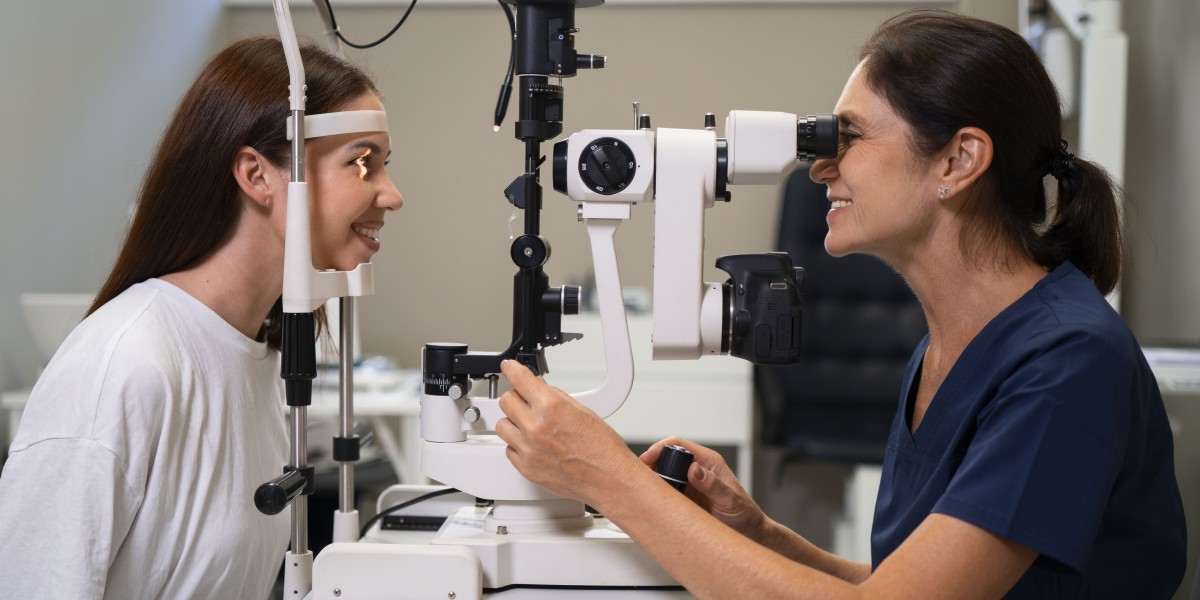
During comprehensive anterior segment examinations, an Opthalmic slit lamp enables clinicians to observe corneal structures with exceptional clarity and magnification, making it easier to identify early abnormalities and subtle changes that could indicate developing disease.
Supporting Preventive Eye Care
Preventive care focuses on identifying potential health concerns before they become significant problems. Early identification of corneal conditions aligns closely with this approach by allowing clinicians to address issues before vision becomes affected.
Preventive examinations help:
- Detect disease before symptoms develop
- Monitor individuals at higher risk
- Evaluate contact lens-related complications
- Track changes over time
- Promote long-term ocular health
By identifying conditions early, practitioners can often prevent more serious complications from occurring.
Benefits for Contact Lens Wearers
Contact lens users represent a population that particularly benefits from early corneal evaluation. Prolonged lens wear, improper hygiene practices, and environmental factors can contribute to corneal complications.
Routine assessments help detect:
- Surface irritation
- Early infection
- oxygen deprivation effects
- Tear film instability
- Lens-related tissue changes
Early intervention helps maintain comfort, safety, and long-term eye health for contact lens wearers.
Enhancing Patient Awareness
Patient education plays an important role in early identification efforts. When individuals understand the importance of regular eye examinations and recognize potential warning signs, they are more likely to seek timely care.
Educated patients often:
- Schedule routine eye examinations
- Report symptoms earlier
- Follow treatment recommendations
- Participate actively in preventive care
This collaborative approach contributes to better overall eye health outcomes.
Future of Corneal Diagnostics
Advancements in ophthalmic technology continue to improve the ability of clinicians to detect corneal abnormalities with greater accuracy and efficiency. Emerging technologies such as artificial intelligence, advanced imaging systems, and digital diagnostic platforms are expected to further enhance early detection capabilities.
Future developments may provide:
- Faster diagnostic evaluations
- Enhanced visualization
- Improved disease monitoring
- Greater diagnostic consistency
- More personalized patient care
These innovations will continue to strengthen the role of early identification in preserving vision and supporting long-term ocular health.
Conclusion
Early identification of corneal conditions is essential for maintaining vision, preventing complications, and ensuring successful treatment outcomes. Because many corneal disorders begin with subtle changes that may not produce noticeable symptoms, regular examinations and detailed evaluations remain critical. Through timely detection, accurate diagnosis, and proactive management, eye care professionals can help patients protect their vision and maintain healthy eyes throughout their lives.