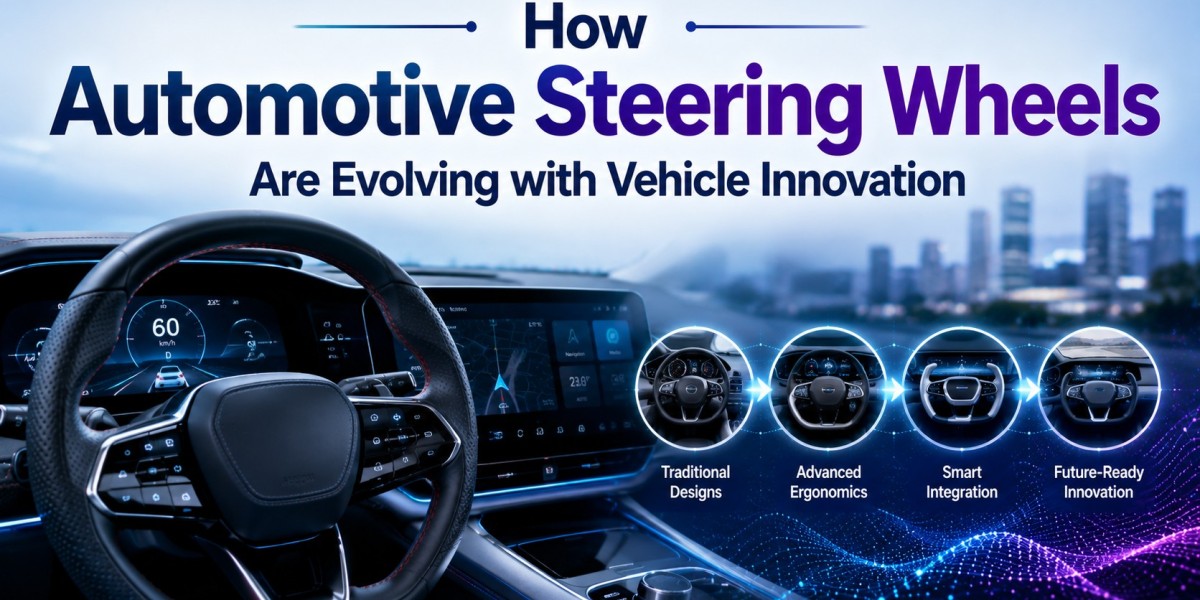

Automotive steering wheels have transformed from simple directional controls into sophisticated interfaces that connect drivers with advanced vehicle technologies. Modern steering wheels now integrate safety systems, infotainment controls, driver-assistance functions, and ergonomic designs that enhance both comfort and functionality. As vehicle manufacturers continue to innovate, steering wheel technology is becoming an increasingly important element of the overall driving experience.
The automotive steering wheel industry is closely linked to trends in vehicle production, electrification, and safety advancements. Manufacturers are focusing on lightweight materials, integrated controls, and intelligent steering systems that support the next generation of connected and autonomous vehicles. These developments are reshaping consumer expectations while encouraging automakers to invest in more advanced steering solutions.
According to a study published by MarkNtel Advisors, the global automotive steering wheel market was valued at around USD 37.5 billion in 2024 and is projected to reach USD 45 billion by 2030, supported by increasing automobile production, rising adoption of Advanced Driver Assistance Systems (ADAS), and growing demand for premium vehicle interiors.
Growing Vehicle Production Supporting Steering Wheel Demand
Every passenger vehicle, commercial vehicle, and electric vehicle requires a steering system, making steering wheels a fundamental automotive component. As global vehicle manufacturing continues to expand, demand for steering wheels naturally rises across multiple segments. Passenger vehicles, in particular, account for a significant share of steering wheel installations due to their high production volumes worldwide.
Automakers are increasingly differentiating their vehicles through interior design and driver-centric features. Steering wheels have become a focal point for customization, with manufacturers introducing premium materials such as leather, synthetic composites, and sustainable alternatives. These enhancements improve aesthetics while contributing to a more comfortable driving experience.
ADAS Integration Is Redefining Steering Wheel Design
The integration of Advanced Driver Assistance Systems has significantly influenced steering wheel development. Features such as adaptive cruise control, lane-keeping assistance, and emergency braking often rely on controls positioned directly on the steering wheel. This allows drivers to interact with safety technologies without diverting attention from the road.
Modern steering wheels are also incorporating sensors that monitor driver engagement and hand positioning. Such innovations help improve vehicle safety while supporting semi-autonomous driving capabilities. Industry experts continue to emphasize that steering wheels remain one of the most critical touchpoints between drivers and vehicles, requiring a balance of ergonomics, safety, and technology integration.
Electric Vehicles Creating New Design Opportunities
The growing adoption of electric vehicles is opening new opportunities for steering wheel manufacturers. EV manufacturers frequently seek lightweight components to improve energy efficiency and vehicle range. As a result, steering wheel suppliers are exploring advanced materials and innovative production techniques that reduce weight without compromising strength or safety.
Electric vehicles also encourage futuristic interior designs. Many EV models feature digital dashboards, connected systems, and multifunction steering wheels that serve as command centers for vehicle operations. These trends are driving collaboration between automotive manufacturers and steering system suppliers to create more intuitive and technologically advanced solutions.
Steer-by-Wire Technology and the Future of Vehicle Control
One of the most promising developments in the industry is steer-by-wire technology. Unlike conventional systems that rely on mechanical connections, steer-by-wire solutions use electronic signals to control wheel movement. This approach enables greater design flexibility, enhanced precision, and improved integration with autonomous driving technologies.
Steer-by-wire systems may also support customizable steering responses, allowing drivers to adjust steering feel according to driving conditions. While adoption remains gradual, ongoing advancements in electronic control systems and safety redundancies are expected to strengthen the viability of this technology across future vehicle platforms.
Innovation Among Leading Industry Participants
The competitive landscape includes several major companies focused on steering and vehicle control technologies. Organizations such as Hyundai Mobis Co. Ltd., JTEKT Corporation, Nexteer Automotive Group Ltd., Robert Bosch GmbH, ZF Friedrichshafen AG, Autoliv Inc., and Mitsubishi Electric Corporation continue to invest in research and development to enhance steering performance and safety.
Recent developments indicate a strong emphasis on electronic steering systems, intelligent control modules, and technologies designed for electric and autonomous vehicles. Manufacturers are increasingly exploring solutions that combine safety, connectivity, and user experience within a single steering interface.
Asia-Pacific Remains a Key Regional Hub
Asia-Pacific continues to play an important role in the automotive steering wheel industry due to its large automotive manufacturing base. Countries such as China, Japan, and India contribute significantly to vehicle production and sales, creating sustained demand for steering systems and related components.
The region is also witnessing growing adoption of electric mobility and advanced automotive technologies. Government initiatives supporting vehicle electrification and smart transportation infrastructure are expected to encourage further innovation in steering wheel design and functionality.
The Road Ahead for Automotive Steering Wheels
The future of automotive steering wheels will likely be defined by the convergence of safety, connectivity, and automation. As vehicles become more intelligent and increasingly software-driven, steering wheels will continue evolving from basic control devices into sophisticated human-machine interfaces.
Advancements in ADAS integration, lightweight materials, sustainable manufacturing practices, and steer-by-wire systems are expected to shape the next generation of steering technologies. While the steering wheel remains one of the oldest components in automotive design, its role in modern mobility continues to expand as manufacturers pursue safer, smarter, and more connected driving experiences.