
Most people go into a remodel thinking about looks first. New cabinets, nicer floors, maybe a fresh coat of paint and suddenly it feels like a different house. That’s fine, nothing wrong with that. But after a few months, what really sticks isn’t how it looks—it’s how it works. home remodeling should make daily life smoother, not just prettier for a while. And if we’re being honest, a lot of homes have these small, nagging issues you just learn to live with. Bad layout. Nowhere to put stuff. Light that feels… off. You stop noticing it, until you fix it. Then you wonder why you waited so long.
Fix the Flow Before You Touch Anything Else
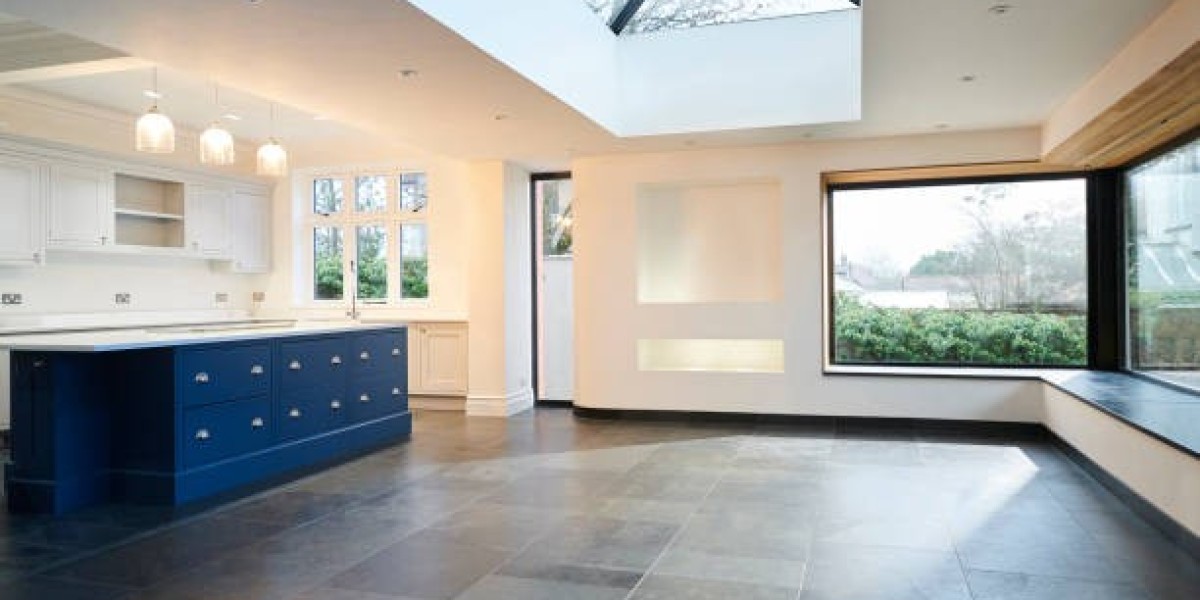
People love jumping into finishes. Tiles, countertops, fixtures—the fun part. I get it. But if your layout is awkward, none of that really helps. You can spend a lot and still end up annoyed every morning. Start with how the space moves. Walk through your house like you normally would. Where do you bump into things? Where does it feel tight or just… weird? Kitchens are a big one. Two people in there and suddenly it’s a traffic jam. Sometimes opening things up helps, sometimes it doesn’t. Open floor plans aren’t magic. The goal is simple—less friction. If you can move around without thinking about it, you’re on the right track.
Storage That You’ll Actually Use
Here’s the truth—most homes don’t have enough real storage. Not the kind that looks nice in photos. The kind you actually use every day. Deep drawers in the kitchen beat those high cabinets nobody reaches. Built-ins in living rooms help hide the random stuff that piles up. And yeah, it always piles up. A small mudroom setup, even just a bench with storage underneath, can change how your entry feels completely. Less mess, less stress. When planning a remodel, think about your habits. Where do you drop your keys? Where do bags end up? Design around that. Not around some catalog image.
Lighting… It’s Usually Worse Than You Think
Lighting is one of those things people don’t take seriously enough. Until they fix it. Then it’s like—oh. This is better. A single overhead light in the middle of the room? Not enough. It makes everything flat and kind of harsh. You want layers. Something soft for general light, something brighter where you actually work, maybe a little accent lighting so it doesn’t feel cold. Under-cabinet lights in the kitchen help more than you’d expect. Same with dimmers. And if you can bring in more natural light, do it. Bigger windows, better placement. It changes the mood of a space in a way paint never will.
Kitchens Should Make Life Easier, Not Harder
The kitchen gets used. A lot. So it should work without you having to think about it. You don’t need a massive space—you need a smart one. Enough prep area, good flow between appliances, and storage that makes sense. Little things go a long way. Pull-out bins. Drawer organizers. Even where you put the microwave matters more than people think. If you’re constantly turning around or reaching over someone, something’s off. Fix that. A well-planned kitchen just feels… easy. That’s the goal.
Bathrooms Deserve More Attention Than They Get
Bathrooms are often treated like an afterthought. Quick upgrades, done. But you use them every single day. Morning rush, late nights, all of it. A better layout, a walk-in shower, proper ventilation—it all adds up. Storage around the sink helps more than you expect. And lighting, again, matters here. That one ceiling light isn’t doing much. Add side lighting near the mirror, make it usable. Heated floors? Not necessary, but once you have them, yeah… you’ll miss them if they’re gone. It’s not about luxury, really. It’s about comfort that you feel daily.
Build Spaces That Can Change Over Time
Life doesn’t stay the same, and your house shouldn’t lock you into one setup. A guest room today might be a workspace next year. Or something else entirely. Flexible spaces make a big difference long term. Sliding doors, simple partitions, even furniture that can shift around—it doesn’t have to be complicated. Just don’t design everything too rigid. Leave some room to adapt. Because things change, usually faster than expected.
The Small Stuff… That’s What Gets You
Big upgrades get all the attention, but the small annoyances are what wear you down. Not enough outlets. Bad Wi-Fi in one room. Doors that open the wrong way. You notice these things every day, even if you don’t think about them directly. A good remodel deals with this stuff. Add outlets where you actually need them. Fix door swings. Think about how you use your space, not how it looks on paper. It’s not exciting, but it makes a difference you’ll feel right away.
Looking Beyond the Main House Helps Too
Sometimes the solution isn’t squeezing more into the same space. It’s stepping back and thinking bigger. Adding something separate can actually make things easier overall. That’s where ADU building & planning in Santa Rosa comes in. A small unit out back, a converted garage, something like that—it gives you options. Maybe it’s for family, maybe it’s work, maybe rental income. Point is, it takes pressure off the main house. And when it’s done right, it doesn’t feel like an extra piece. It just fits.
Conclusion
At the end of it, remodeling should make your life simpler. That’s it. Not just better looking for a while, but easier every day. The best changes aren’t always obvious right away. They’re the ones you stop noticing because things just… work. Focus on that. Fix what’s been bothering you, even if it seems small. The style can come after. If the house feels good to live in, you’ve done it right.