
Getting a tattoo is an exciting experience that allows people to express their personality, beliefs, memories, and creativity through body art. However, the process does not end once the tattoo artist finishes the design. Proper healing and maintenance play a major role in ensuring that the tattoo looks vibrant and healthy for years to come. One of the most important products used during the healing process is tattoo balm, which helps protect and nourish the skin. Combined with the best tattoo aftercare routine, a quality balm can make a significant difference in the final appearance of a tattoo.
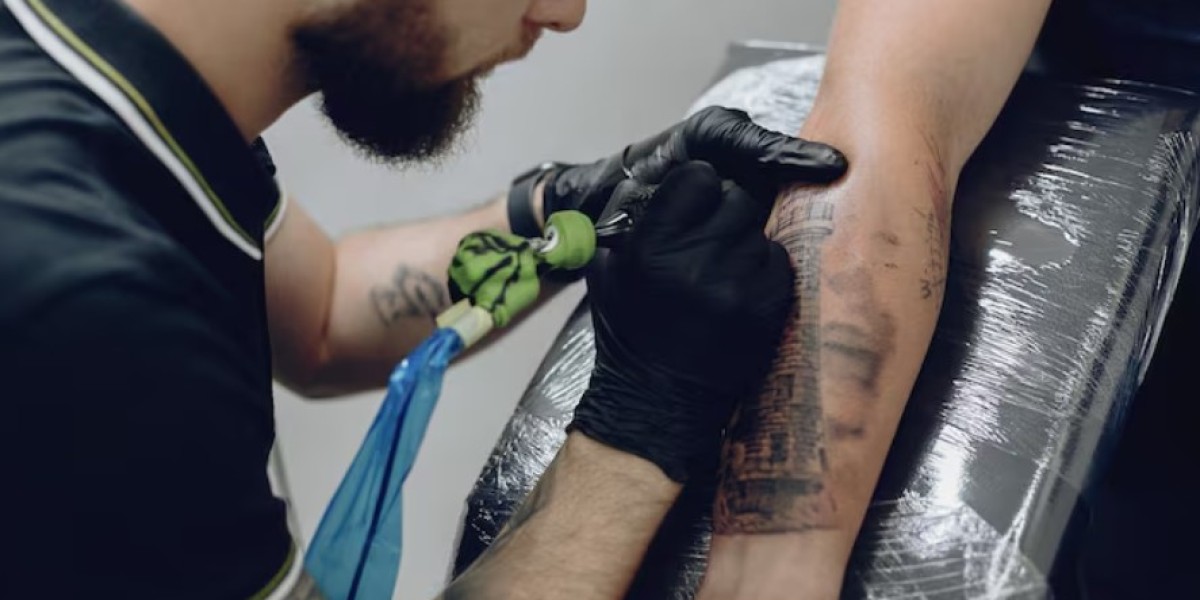
A fresh tattoo is essentially a controlled skin injury. During the tattooing process, needles deposit ink into the skin, creating thousands of tiny punctures. Because of this, the skin requires proper care while it heals. Ignoring aftercare instructions can lead to irritation, fading, dryness, or even infection. This is why understanding the role of tattoo care products and following the best healing practices is essential.
The healing journey typically begins immediately after the tattoo session. Most tattoo artists cover the tattoo with a protective bandage or wrap to shield it from dirt and bacteria. Once the recommended amount of time has passed, the tattoo should be gently cleaned using lukewarm water and a mild cleanser. Patting the area dry instead of rubbing it helps prevent unnecessary irritation.
After cleaning, many people choose to apply tattoo balm to keep the skin moisturized and comfortable. A good balm creates a protective barrier while allowing the skin to breathe. It can help reduce dryness, itching, and flaking, all of which are common during the healing process. Moisturized skin tends to heal more evenly, helping preserve the tattoo’s sharp lines and vibrant colors.
One of the key elements of the best tattoo aftercare routine is consistency. Applying aftercare products only occasionally may not provide the support the skin needs. Instead, a regular schedule of cleaning and moisturizing helps create an ideal environment for healing. The skin should remain hydrated without becoming overly saturated. Using too much product can sometimes clog pores or create excessive moisture, while too little may lead to dryness and cracking.
As the tattoo heals, it may begin to peel or flake. This stage is completely normal and should not cause concern. It is important to resist the urge to scratch, pick, or peel the skin. Doing so can remove ink along with the peeling skin, potentially affecting the tattoo’s appearance. During this stage, tattoo balm can be especially beneficial because it helps soothe itching and keeps the skin soft.
Sun exposure is another factor that can impact the healing process. Fresh tattoos are particularly sensitive to ultraviolet rays. Excessive sun exposure can cause irritation and may contribute to fading. Part of the best tattoo aftercare strategy involves keeping the tattoo covered or avoiding prolonged exposure to direct sunlight during the healing period. Once fully healed, using sun protection can help preserve the tattoo’s color and detail over time.
Hydration is often overlooked when discussing tattoo care, but it plays an important role in skin health. Drinking enough water supports the body's natural healing processes and helps maintain healthy skin from within. When combined with external care such as tattoo balm, proper hydration contributes to a smoother recovery experience.
The choice of clothing can also influence how a tattoo heals. Tight or abrasive fabrics may rub against the tattooed area, causing discomfort and irritation. Loose, breathable clothing is generally more comfortable and allows the skin to recover without unnecessary friction. This simple adjustment can complement the best tattoo aftercare practices and help prevent complications.
Many people wonder how long the healing process takes. While every individual heals at a different rate, most tattoos complete their surface healing within a few weeks. However, deeper layers of skin may continue healing for a longer period. Maintaining a consistent aftercare routine throughout this time helps ensure optimal results. Using tattoo balm beyond the initial healing stage can also help keep the skin healthy and maintain the tattoo’s appearance.
Another benefit of proper aftercare is color retention. Bright colors and intricate details often look their best when the skin heals evenly. Dryness, irritation, and excessive scabbing can interfere with this process. By following the best tattoo aftercare methods, individuals can improve the chances of preserving the original beauty of their tattoo.
Different skin types may react differently during the healing process. Some people experience mild redness and sensitivity, while others may notice more pronounced dryness or itching. Paying attention to the skin’s condition and adjusting care routines accordingly can make healing more comfortable. Regular use of tattoo balm can help address common issues while supporting overall skin recovery.
Long-term tattoo maintenance is just as important as the initial healing phase. Once a tattoo is fully healed, healthy skincare habits can help it remain vibrant. Moisturizing regularly, staying hydrated, and protecting the tattoo from excessive sun exposure contribute to long-lasting results. Many people continue using tattoo balm as part of their routine because it helps keep the skin nourished and the tattoo looking fresh.
The emotional value of a tattoo often makes proper care worthwhile. Whether the design represents a personal achievement, a loved one, a meaningful symbol, or simply an artistic choice, preserving its quality is important. Investing time and effort into the best tattoo aftercare routine can help ensure that the tattoo remains a source of pride for years to come.
A successful healing experience relies on patience and attention to detail. The skin needs time to recover, and rushing the process can lead to unnecessary complications. Gentle cleaning, consistent moisturizing, healthy lifestyle habits, and protection from environmental stressors all contribute to positive outcomes. Products such as tattoo balm serve as valuable tools throughout this journey, offering comfort and support during the healing process.
In conclusion, caring for a new tattoo is an essential part of achieving the best possible results. A well-planned routine that includes proper cleansing, hydration, protection, and the use of tattoo balm can help promote healthy healing. Following the best tattoo aftercare practices not only enhances the appearance of the tattoo but also supports overall skin health. By staying consistent and patient, tattoo enthusiasts can enjoy vibrant, beautiful artwork that lasts for many years.