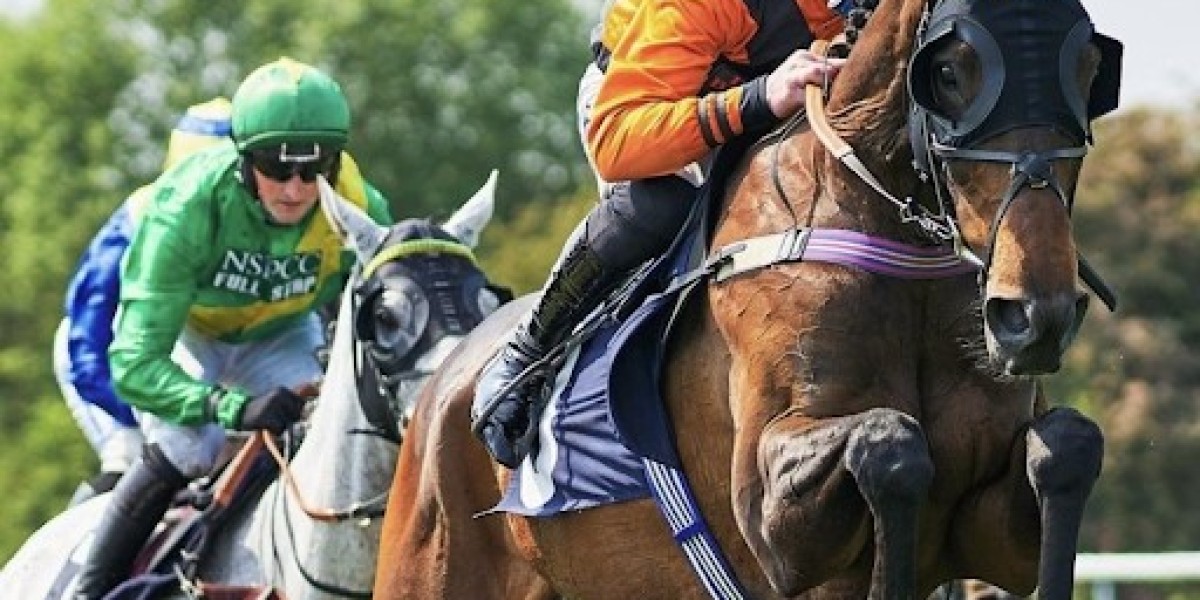

Horse racing has long been an important part of India's sporting and equestrian heritage. Over the decades, several racecourses across the country have contributed to the development of thoroughbred racing, breeding programs, and competitive events. Among these institutions, the Hyderabad Race Club has earned a significant place due to its rich history and continued role in the racing ecosystem.
Located in Malakpet, Hyderabad, the racecourse has become one of India's recognised racing venues, hosting prestigious races and attracting owners, trainers, jockeys, and racing enthusiasts from across the country. Its contribution extends beyond racing events, influencing breeding, training, and the overall growth of the sport in India.
The Historical Development of Racing in Hyderabad
The origins of organised horse racing in Hyderabad date back to the nineteenth century. Historical records indicate that racing activities began in 1868 during the rule of the Nizams. The sport gradually gained popularity and eventually became an established part of the region's sporting culture. Racing later shifted to Malakpet, where the modern racecourse continues to operate today.
The establishment of the Hyderabad Race Club helped formalise racing operations and created opportunities for organised competitions. Over time, the venue evolved into a major centre for thoroughbred racing, attracting participants from different parts of India.
Major Racing Events and Competitions
One of the factors that has strengthened the reputation of the Hyderabad Race Club is its association with prestigious racing events. The racecourse hosts several notable competitions that draw some of the country's leading racehorses.
Among the most recognised events are the Deccan Derby, the President of India Gold Cup, and the Nizam's Gold Cup. These races are considered important fixtures on the Indian racing calendar and often attract strong competition from leading racing stables.
Supporting the Racing Ecosystem
Horse racing involves far more than the races themselves. A successful racing industry depends on a network of breeders, trainers, veterinarians, jockeys, stable staff, and race organisers working together.
The Hyderabad Race Club functions as an important part of this ecosystem by providing a platform where horses can compete, owners can invest in racing, and professionals can develop their careers. This interconnected structure helps maintain standards within the industry while encouraging the development of future racing talent.
The Importance of Thoroughbred Breeding
Breeding remains one of the most critical components of horse racing. The quality of racehorses often depends on careful breeding programs that emphasise speed, stamina, health, and temperament.
Successful breeding operations contribute significantly to the competitiveness of Indian racing. Through selective breeding practices, stud farms help produce horses capable of competing at the highest levels of the sport. India's racing industry has benefited from decades of investment in bloodlines and breeding expertise, resulting in stronger competition across major racing centres.
Challenges Facing Modern Horse Racing
Like many traditional sports, horse racing faces several modern challenges. Industry reports indicate that taxation changes, shifting consumer interests, and the growth of illegal betting networks have affected racing participation and revenues in certain regions. These developments have created economic pressures for owners, trainers, and racing organisations.
Preserving a Legacy for Future Generations
The future of horse racing depends on balancing tradition with modernisation. Historic racecourses continue to play a valuable role in maintaining interest in the sport while supporting racing-related industries.
By hosting major events, encouraging competition, and providing opportunities for professionals throughout the industry, the Hyderabad Race Club continues to contribute to the development of Indian horse racing. Its historical significance and ongoing activities help ensure that the sport remains relevant in an evolving sporting environment.
Conclusion
The continued success of Indian horse racing relies on strong partnerships between racecourses, breeders, owners, and industry professionals. Institutions such as Poonawalla Stud Farm have played an important role in strengthening thoroughbred breeding in India through decades of investment and achievement within the racing sector.
As the industry evolves, maintaining high standards in racing, breeding, and horse care will remain essential for preserving the heritage and future growth of the sport across the country.