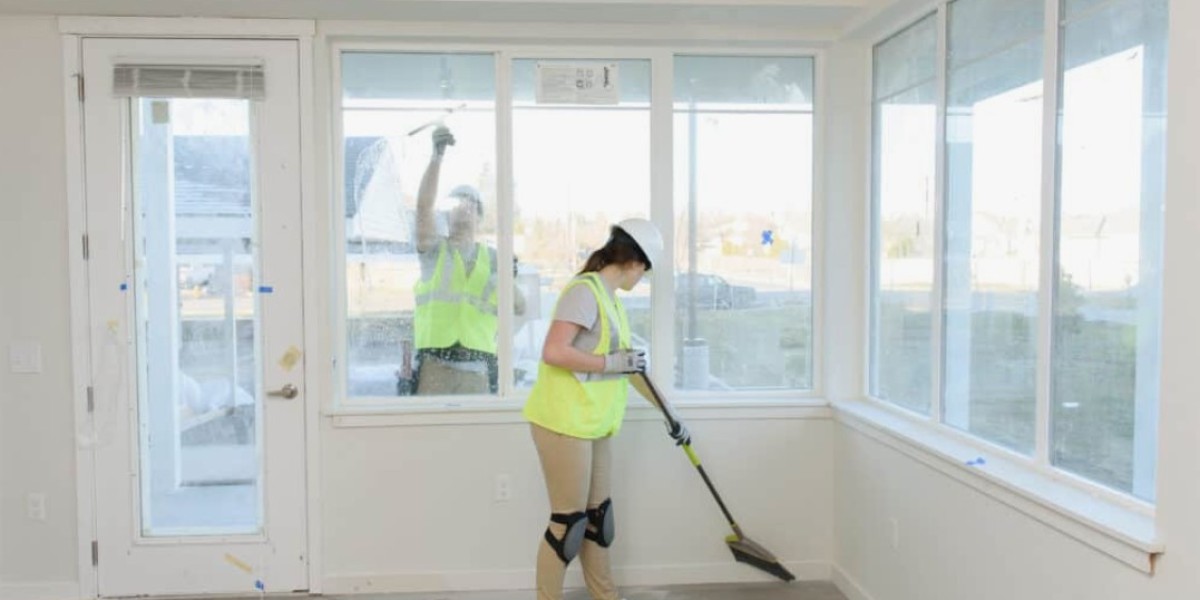

After any building or renovation project, the excitement of a newly completed space is often overshadowed by one unavoidable issue—dust. Fine particles settle everywhere: floors, vents, furniture, walls, and even inside cabinets. This is where post-construction dust removal becomes essential. Whether it’s a residential renovation, commercial build-out, or remodeling project, proper cleaning is not just about appearance—it’s about safety, air quality, and long-term maintenance.
In this comprehensive guide, we’ll explore what post-construction dust is, why it’s a problem, and the most effective methods for complete post construction dust removal so your space is truly move-in ready.
What Is Post-Construction Dust?
Post-construction dust is a combination of fine particles created during building, demolition, sanding, cutting, and drilling. It often includes:
- Drywall dust (gypsum particles)
- Wood dust and sawdust
- Concrete and cement particles
- Paint and plaster residues
- Insulation fibers
- Silica dust from masonry work
These particles are extremely small and lightweight, meaning they can remain airborne for hours or even days before settling into every corner of a building.
Unlike regular household dust, post-construction dust is heavier in volume, more abrasive, and potentially hazardous if inhaled over time.
Why Post Construction Dust Removal Is Important
Ignoring construction dust can lead to several issues that affect both health and property condition.
1. Health Risks
Fine dust particles can irritate the respiratory system, especially for people with asthma, allergies, or lung conditions. Silica dust, commonly found in construction debris, is particularly harmful when inhaled repeatedly.
2. Poor Indoor Air Quality
Even after visible surfaces are cleaned, microscopic particles may remain in the air. This can cause persistent odors, eye irritation, and breathing discomfort.
3. Damage to Surfaces and Appliances
Dust can scratch delicate surfaces, clog HVAC systems, and reduce the lifespan of appliances by entering internal components.
4. Reduced Comfort and Cleanliness
A newly renovated space should feel fresh—not gritty or dusty. Proper post construction dust removal ensures the space is truly ready for use.
When Should Post-Construction Cleaning Begin?
Timing matters. Cleaning too early can result in dust resettling after additional work is completed. Ideally:
- All construction work must be fully finished
- Contractors should remove large debris
- HVAC systems should be turned off during rough cleaning phases
- Final cleaning should occur in stages for best results
A structured approach ensures no dust is left behind.
Step-by-Step Post-Construction Dust Removal Process
Effective cleaning requires more than just sweeping and wiping. A systematic method ensures every layer of dust is eliminated.
Step 1: Initial Debris Removal
Start by removing larger debris such as wood scraps, nails, packaging materials, and leftover construction waste. This clears the way for detailed cleaning.
Step 2: Dry Dusting and Vacuuming
Use industrial-grade vacuums with HEPA filters to capture fine particles. Standard household vacuums are often not sufficient for post construction dust removal.
Focus on:
- Floors and corners
- Baseboards and trim
- Window sills
- Walls and ceilings
Step 3: High Dusting
Dust settles from top to bottom, so always clean upper areas first:
- Ceiling fans
- Light fixtures
- Air vents
- Crown molding
This prevents dust from falling onto already cleaned surfaces.
Step 4: Surface Wiping
Use microfiber cloths and damp cleaning solutions to wipe down all surfaces, including:
- Cabinets
- Countertops
- Doors and handles
- Shelves and furniture
Microfiber is key because it traps dust instead of spreading it around.
Step 5: HVAC and Air Vent Cleaning
One of the most overlooked steps in post construction dust removal is the HVAC system. Dust often enters ducts during construction and circulates throughout the building.
Professional duct cleaning may be necessary for:
- Air vents
- Filters
- Return air ducts
Step 6: Floor Deep Cleaning
Depending on flooring type:
- Hardwood: damp mop with wood-safe cleaner
- Tile: scrub grout lines thoroughly
- Carpet: steam cleaning or hot water extraction
Carpets especially trap fine dust deep within fibers.
Step 7: Final Air Purification
After cleaning all surfaces, improving air quality is crucial. Use:
- Air purifiers with HEPA filters
- Open windows for ventilation (if weather allows)
- Dehumidifiers if moisture is present
This ensures airborne dust particles are fully removed.
DIY vs Professional Post Construction Dust Removal
DIY Cleaning
Homeowners may attempt cleaning small renovation projects themselves. While cost-effective, it requires:
- Time and patience
- Proper equipment (HEPA vacuums, microfiber tools)
- Multiple cleaning rounds
DIY is best for minor renovations or single-room projects.
Professional Cleaning Services
For large-scale renovations or commercial properties, hiring professionals is often the better choice. They use:
- Industrial-grade vacuum systems
- Specialized cleaning agents
- Trained technicians
- Faster and more thorough results
Professionals also understand how dust behaves and where it settles, ensuring a deeper clean.
Common Mistakes to Avoid
Even with good intentions, many people make mistakes during post-construction cleaning:
1. Cleaning in the Wrong Order
Always clean top to bottom. Starting with floors causes recontamination of surfaces.
2. Using Regular Vacuums
Standard vacuums may release fine dust back into the air.
3. Skipping Air Ducts
HVAC systems are major dust carriers if not cleaned properly.
4. Rushing the Process
Post-construction dust removal often requires multiple passes for full effectiveness.
Tips for Effective Dust Prevention During Construction
While cleanup is essential, prevention can reduce the workload significantly:
- Seal off construction zones with plastic barriers
- Use dust containment systems
- Cover furniture and floors
- Clean debris daily during the project
- Maintain proper ventilation control
Preventing dust buildup saves time and improves final results.
The Long-Term Benefits of Proper Dust Removal
Investing time or money into thorough post construction dust removal pays off in many ways:
- Healthier indoor environment
- Improved air quality
- Longer-lasting surfaces and appliances
- Better aesthetic appearance
- Increased property value and comfort
A clean finish transforms a construction project into a truly livable space.
Conclusion
Post-construction cleaning is not just a finishing touch—it is a critical phase of any building or renovation project. Effective post-construction dust removal ensures that your space is safe, healthy, and visually perfect.
By following a structured cleaning process or hiring professionals when needed, you can eliminate harmful dust particles and enjoy your newly built or renovated space without worry. A spotless environment is the final step that turns construction work into a complete success.