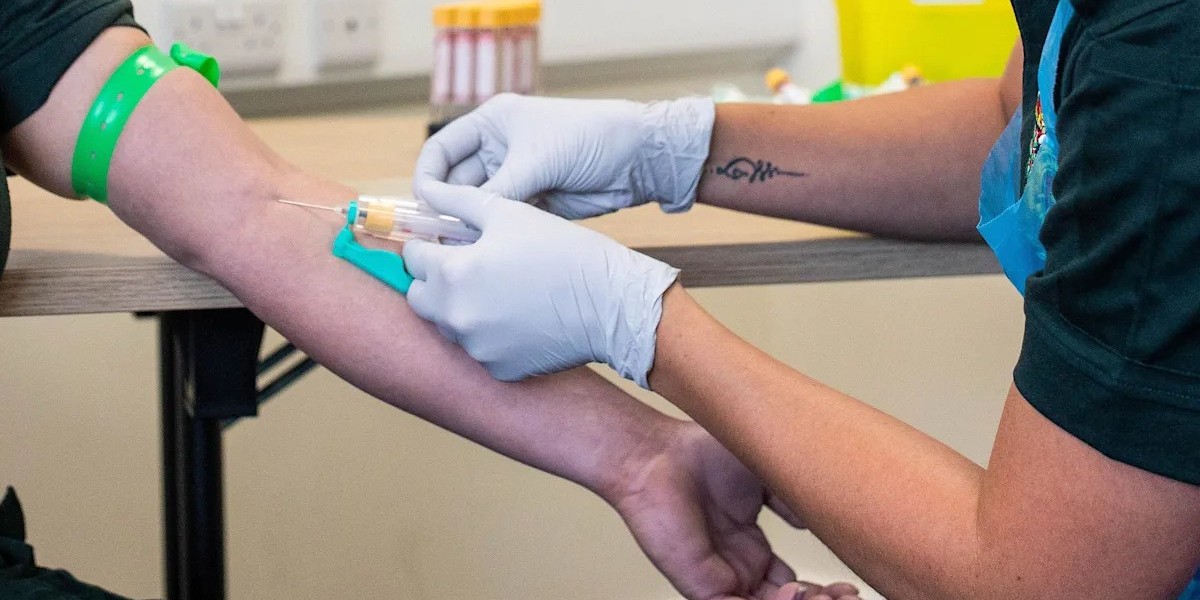

Marriage today is no longer viewed only as an emotional commitment; it is also a shared responsibility for long-term wellbeing and future family health. Alongside discussions about finances, careers, and lifestyle goals, many couples are now considering a Marriage Blood Test in Dubai as part of responsible pre-marital preparation.
This shift reflects a growing awareness that informed family planning decisions begin long before pregnancy. A marriage blood test helps identify genetic traits, infectious disease risks, blood compatibility factors, and reproductive health indicators that may influence future children and overall family wellbeing.
Rather than being a clinical formality, it serves as a foundation for preventive healthcare, enabling couples to enter marriage with clarity, awareness, and confidence about their shared future.
Understanding the Purpose Behind a Marriage Blood Test:
A marriage blood test is designed to provide a comprehensive health overview of both partners before they begin married life or plan a family. It focuses on identifying hidden risks that are not always visible through physical symptoms.
Key areas of assessment include:
Genetic carrier screening for inherited disorders
Blood group and Rh factor compatibility
Infectious disease detection such as HIV and hepatitis
Sexually transmitted infection screening
Basic blood health indicators like hemoglobin levels
The primary goal is not diagnosis of illness alone but early detection of potential risks that may affect reproductive decisions and long-term family planning.
Why Informed Family Planning Starts Before Marriage?
Family planning is often associated with decisions made after marriage, but modern healthcare emphasizes early awareness. Understanding health risks before conception provides couples with more options and better outcomes.
Marriage blood testing contributes to informed planning by helping couples:
Understand inherited disease risks
Assess reproductive health readiness
Identify infectious conditions early
Prepare for safe pregnancy planning
Avoid preventable genetic complications
This proactive approach reduces uncertainty and supports healthier generations.
Genetic Awareness as the Foundation of Responsible Planning:
One of the most important aspects of a marriage blood test is genetic screening. Many inherited conditions are carried silently without symptoms, meaning individuals may be unaware of their genetic status.
Carrier Status and What It Means:
A carrier is someone who has a gene mutation linked to a disorder but does not show any signs of illness. Carriers are typically healthy but may pass the gene to their children.
Common conditions screened include:
Thalassemia
Sickle cell disease
Hemoglobin disorders
Cystic fibrosis
Spinal muscular atrophy
When both partners are carriers of the same condition, the likelihood of a child inheriting the disorder increases, making early awareness essential for planning.
Thalassemia Screening and Its Role in Family Health Decisions:
Thalassemia is one of the most widely recognized genetic conditions included in pre-marital screening programs.
Why It Matters:
Thalassemia affects hemoglobin production, which impacts oxygen transport in the blood. While carriers remain asymptomatic, children of two carriers may develop a severe form of the disease.
How It Supports Planning:
Early detection allows couples to:
Seek genetic counseling
Understand inheritance patterns
Consider prenatal diagnostic options
Plan pregnancies more responsibly
This makes thalassemia screening a key step toward informed reproductive decisions.
Blood Group and Rh Factor Compatibility in Pregnancy Planning:
Blood compatibility is another important element of a marriage blood test that directly affects family planning.
Blood Group Basics:
Human blood is categorized into A, B, AB, and O types. While these do not affect relationship compatibility, they are important for medical and pregnancy-related considerations.
Understanding Rh Factor:
The Rh factor determines whether blood contains a specific protein. If a mother is Rh-negative and the father is Rh-positive, there may be potential risks during pregnancy if the baby inherits the Rh-positive factor.
Why It Matters for Couples
Understanding Rh compatibility helps ensure:
Safe pregnancy monitoring
Preventive medical treatment when needed
Reduced risk of complications in future pregnancies
This knowledge allows couples to plan pregnancies with medical support from the beginning.
Infectious Disease Screening for Safe Family Planning:
Marriage blood tests also play a crucial role in identifying infectious diseases that may not show early symptoms but can impact reproductive health and family wellbeing.
Common infections tested include:
HIV infection
Hepatitis B
Hepatitis C
Syphilis
Other sexually transmitted infections depending on medical guidelines
Early detection is essential because many of these conditions can affect fertility, pregnancy outcomes, and long-term health if left untreated.
How Early Detection Improves Pregnancy Outcomes?
One of the most significant benefits of marriage blood testing is improved pregnancy planning. Identifying health risks early gives couples time to take preventive actions before conception.
Early detection helps:
Treat infections before pregnancy
Manage chronic conditions effectively
Reduce genetic transmission risks
Improve maternal and fetal health outcomes
This leads to safer pregnancies and healthier children.
Role of Genetic Counseling in Family Planning Decisions:
When test results indicate potential genetic risks, genetic counseling becomes an important next step.
What Genetic Counselors Do:
Genetic counselors help couples understand:
How genetic conditions are inherited
The probability of passing traits to children
Available reproductive options
Preventive healthcare strategies
Why Counseling Is Important:
Medical information can be complex and emotionally overwhelming. Genetic counseling ensures couples understand results clearly and can make informed decisions without confusion or fear.
Marriage Blood Test as a Preventive Healthcare Strategy:
Modern healthcare emphasizes prevention rather than treatment after disease occurs. A marriage blood test fits into this approach by identifying risks early.
It supports preventive healthcare by:
Detecting silent genetic conditions
Identifying infections before symptoms appear
Highlighting reproductive health concerns
Encouraging early medical intervention
This proactive approach helps reduce long-term health complications for both partners and future children.
Emotional and Practical Benefits of Early Health Awareness:
Beyond medical advantages, marriage blood testing also offers emotional and practical benefits that support stronger relationships.
Reduced Anxiety About the Future:
Knowing health status early reduces uncertainty and helps couples feel more secure in their future planning.
Stronger Communication Between Partners:
Discussing health openly encourages transparency and trust, which are essential for a strong marital relationship.
Better Decision-Making Together:
When couples understand health risks clearly, they can make informed decisions about family planning, timing, and medical care.
Common Misunderstandings About Marriage Blood Testing:
Despite its importance, there are several misconceptions about pre-marital screening.
Myth 1: It Determines Whether a Couple Should Marry
Marriage blood tests provide medical information, not relationship judgments.
Myth 2: Only Sick Individuals Need Testing
Many genetic and infectious conditions are asymptomatic, meaning healthy individuals may still carry risks.
Myth 3: Positive Results Mean Serious Illness
A positive result may simply indicate carrier status or early detection, not severe disease.
Myth 4: Testing Guarantees a Perfect Pregnancy
While testing improves planning, it reduces risks rather than eliminating all medical uncertainties.
Preparing for a Marriage Blood Test:
Proper preparation ensures accurate results and a smooth experience. Couples are generally advised to:
Share complete family medical history
Inform healthcare providers about medications
Follow fasting instructions if required
Ask questions about each test component
Stay relaxed and hydrated before testing
These steps help improve both accuracy and understanding of results.
How Marriage Blood Testing Supports Future Generations?
The impact of a marriage blood test extends beyond the couple itself. It contributes to healthier future generations by reducing the risk of inherited diseases and improving prenatal care awareness.
It supports future health by:
Reducing genetic disorder transmission
Improving early disease detection
Enhancing prenatal care strategies
Encouraging responsible reproductive planning
This makes it not just a personal health decision but also a contribution to broader family wellbeing.
Conclusion:
A marriage Lab tests is a powerful tool for informed family planning decisions. It helps couples understand genetic risks, infectious diseases, blood compatibility, and reproductive health factors that influence long-term wellbeing.
Rather than limiting choices, it expands them by providing knowledge, clarity, and medical guidance. With early awareness, couples can approach marriage and parenthood with confidence and responsibility.
Ultimately, informed family planning begins with understanding health before starting a shared life. A marriage blood test provides that foundation, helping couples build a healthier, safer, and more secure future together.