
Industries such as automotive, aerospace, electronics, telecommunications, industrial machinery, and consumer goods depend on manufacturing processes that can deliver complex parts with exceptional consistency. One of the most trusted and widely used methods for achieving these goals is aluminum die casting.
Aluminum die casting has become a preferred manufacturing process because it offers an excellent balance of strength, lightweight properties, dimensional accuracy, and cost-effectiveness. As industries continue to innovate and seek higher performance from their products, the demand for aluminum die-cast components continues to grow across the globe.
What is Aluminum Die Casting?
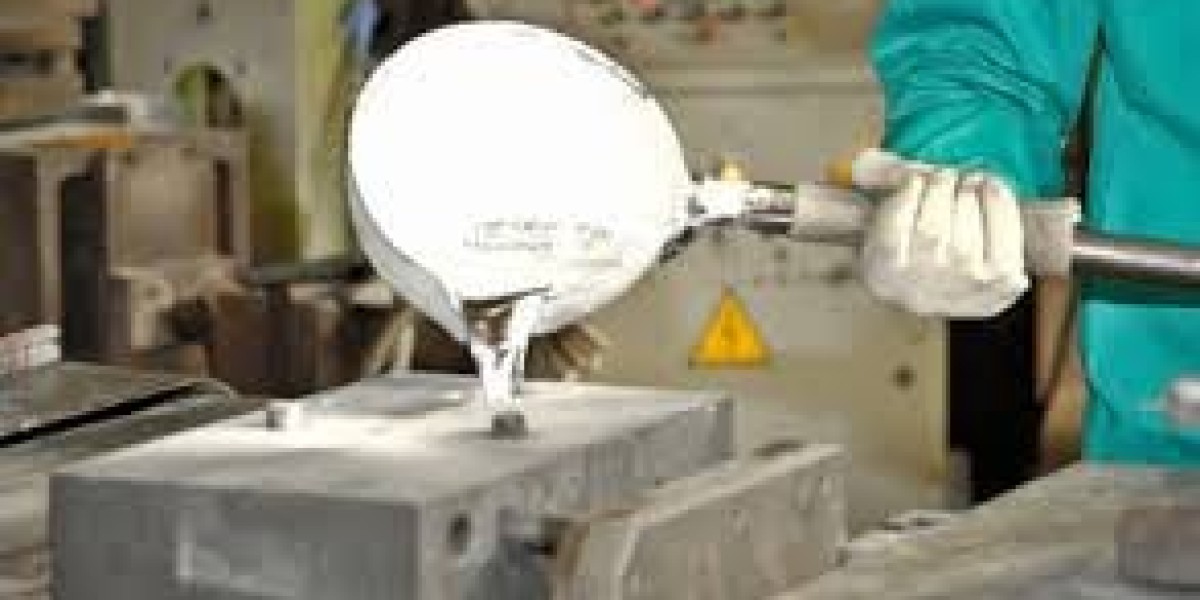
Aluminum die casting is a manufacturing process in which molten aluminum is injected into a steel mold cavity under high pressure. Once the metal cools and solidifies, the mold opens, and the finished component is ejected. This process enables manufacturers to produce highly detailed and accurate metal parts at high production volumes.
The molds, commonly referred to as dies, are designed with precision to create complex shapes that would otherwise require multiple machining operations. Because of this capability, aluminum die casting is widely used for producing intricate components with tight tolerances and superior surface finishes.
Why Aluminum is the Material of Choice
Aluminum has become one of the most popular metals used in die casting due to its unique combination of properties. It is significantly lighter than steel while maintaining impressive strength and durability. This makes it particularly valuable in industries where reducing weight can improve efficiency and performance.
Additionally, aluminum offers excellent corrosion resistance, thermal conductivity, and electrical conductivity. These characteristics make it suitable for a wide range of applications, from automotive engine components to electronic housings and industrial equipment.
Another advantage is its recyclability. Aluminum can be recycled repeatedly without losing its essential properties, making it an environmentally responsible material for manufacturers focused on sustainability.
The Aluminum Die Casting Process
The aluminum die casting process consists of several key stages that ensure precision and consistency throughout production.
Mold Preparation
Before production begins, the die is cleaned and lubricated to ensure smooth metal flow and easy removal of the finished part. Proper mold preparation also extends the lifespan of the die.
Metal Melting
Aluminum alloy is heated in a furnace until it reaches a molten state. The temperature is carefully controlled to maintain material quality and consistency.
Injection
The molten aluminum is injected into the die cavity at extremely high pressure. This pressure allows the metal to fill every section of the mold quickly and accurately, even in highly detailed designs.
Cooling and Solidification
The metal cools rapidly inside the die, solidifying into the desired shape. The cooling process is carefully managed to minimize defects and ensure dimensional stability.
Ejection and Finishing
Once the component has solidified, it is ejected from the mold. Additional finishing processes such as trimming, machining, polishing, coating, or inspection may be performed depending on the final application requirements.
Advantages of Aluminum Die Casting
High Precision and Accuracy
One of the most significant benefits of aluminum die casting is the ability to produce parts with exceptional dimensional accuracy. Components can be manufactured with tight tolerances, reducing the need for extensive secondary machining.
Excellent Surface Finish
Die-cast aluminum parts often have smooth surfaces that are ready for painting, powder coating, anodizing, or plating. This reduces finishing costs and improves product aesthetics.
Lightweight Yet Strong
Aluminum's high strength-to-weight ratio makes it ideal for applications where durability and reduced weight are equally important.
High Production Efficiency
Once the die is created, manufacturers can produce large quantities of identical parts quickly and efficiently. This makes aluminum die casting highly cost-effective for medium- to high-volume production runs.
Complex Design Capabilities
The process allows engineers to create intricate geometries, thin walls, and integrated features that would be difficult or expensive to achieve through traditional machining methods.
Reduced Material Waste
Compared to many other manufacturing methods, die casting generates relatively low material waste. Excess aluminum can often be recycled and reused in future production cycles.
Applications of Aluminum Die Casting
The versatility of aluminum die casting has made it an essential manufacturing process across numerous industries.
Automotive Industry
Automotive manufacturers rely heavily on aluminum die casting to reduce vehicle weight and improve fuel efficiency. Common applications include engine blocks, transmission housings, brackets, structural components, and heat sinks.
Aerospace Industry
The aerospace sector requires lightweight yet durable components that can withstand demanding operating conditions. Aluminum die casting helps meet these requirements while maintaining strict quality standards.
Electronics and Telecommunications
Electronic devices generate heat that must be managed effectively. Aluminum's thermal conductivity makes it ideal for producing heat sinks, enclosures, connectors, and communication equipment components.
Industrial Machinery
Manufacturers use die-cast aluminum parts in pumps, compressors, motors, hydraulic systems, and various industrial equipment due to their strength and durability.
Consumer Products
Many everyday products incorporate aluminum die-cast components, including power tools, lighting fixtures, home appliances, and sporting equipment.
Choosing the Right Aluminum Alloy
The success of a die-casting project depends significantly on selecting the appropriate aluminum alloy. Different alloys offer varying levels of strength, corrosion resistance, thermal conductivity, and machinability.
Factors to consider when choosing an alloy include:
- Mechanical strength requirements
- Operating temperature conditions
- Corrosion exposure
- Surface finish expectations
- Weight limitations
- Cost considerations
Working with experienced die-casting specialists can help ensure the optimal alloy is selected for each application.
Quality Control in Aluminum Die Casting
Maintaining quality throughout the manufacturing process is essential for producing reliable components. Modern aluminum die-casting facilities implement rigorous quality control procedures that include:
- Dimensional inspections
- X-ray testing
- Pressure testing
- Material analysis
- Surface finish evaluations
- Mechanical property verification
These measures help identify potential issues early and ensure that finished components meet customer specifications.
Sustainability and Environmental Benefits
Sustainability has become a major focus in modern manufacturing, and aluminum die casting supports environmentally responsible production practices. Aluminum is one of the most recyclable materials available, and recycling requires significantly less energy than producing primary aluminum.
The process also minimizes waste and supports efficient material utilization. As industries work toward reducing their environmental impact, aluminum die casting continues to play an important role in sustainable manufacturing strategies.
The Future of Aluminum Die Casting
Advancements in automation, simulation software, and manufacturing technologies are driving the evolution of aluminum die casting. Smart production systems, improved mold designs, and enhanced process monitoring are enabling manufacturers to achieve even higher levels of efficiency and precision.
Industries such as electric vehicles, renewable energy, and advanced electronics are creating new opportunities for aluminum die-cast components. The demand for lightweight, durable, and high-performance parts is expected to continue growing in the coming years.
Companies such as Taural India are contributing to this evolving manufacturing landscape by supporting industries with advanced casting solutions designed to meet modern engineering requirements.
Conclusion
Aluminum die casting remains one of the most efficient and versatile manufacturing processes available today. Its ability to produce lightweight, strong, and highly precise components makes it indispensable across a wide range of industries. From automotive and aerospace applications to electronics and industrial machinery, aluminum die-cast parts deliver the performance, reliability, and cost-effectiveness that modern manufacturers demand.
As technology continues to advance and industries seek innovative solutions for complex engineering challenges, aluminum die casting will remain a cornerstone of precision manufacturing and industrial growth.