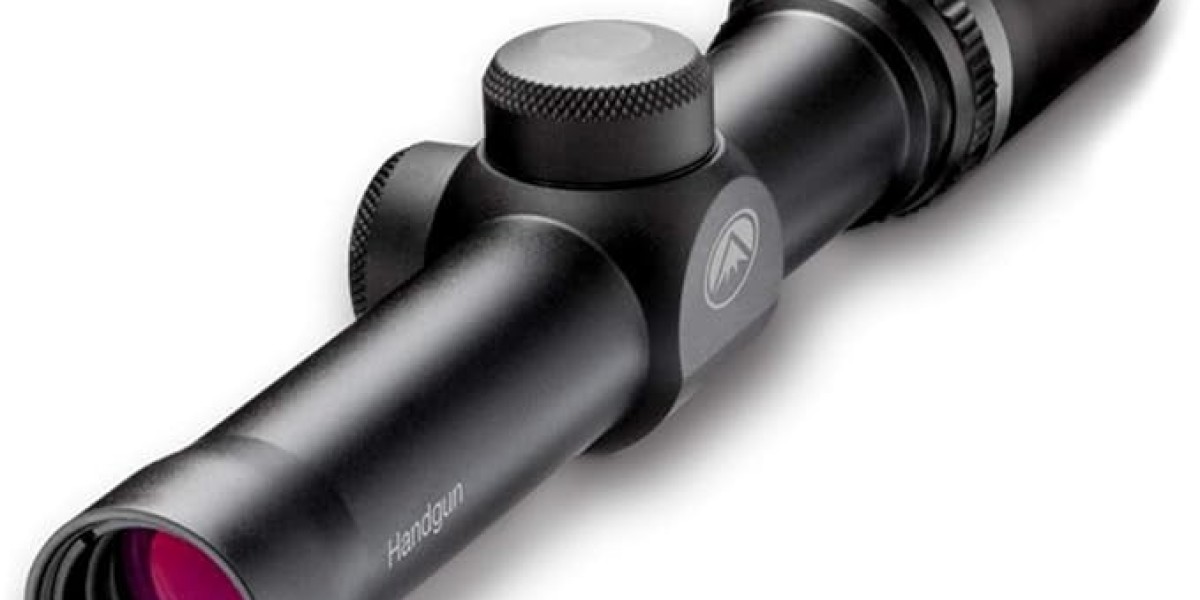

A red dot sight is a popular optical aiming device used in firearms, sports shooting, hunting, and tactical systems. It helps users aim quickly by projecting a simple red dot onto a lens, making target alignment faster and easier.
In the B2B manufacturing industry, red dot sights are widely used in optical and precision equipment markets. However, buyers and manufacturers often face issues such as poor brightness control, battery failure, lens distortion, vibration damage, and alignment drift.
In this article, you will learn what a red dot sight is, how it works, common problems, types, applications, and how to choose the right one in very simple English.
What is a Red Dot Sight?
A red dot sight is a non-magnifying optical device that shows a red illuminated dot on a lens to help users aim at a target.
Simple meaning:
It is a basic optical aiming tool that uses a red LED dot for fast and easy targeting.
It is commonly used for short to medium-range aiming systems.
How a Red Dot Sight Works (Simple Explanation)
The working system is based on light reflection.
Step-by-step process:
- A small LED produces a red light
- The light reflects on a coated lens
- The lens sends the red dot to the user’s eye
- The dot appears aligned with the target
- User aims by matching dot and target
Simple idea:
It creates a floating red point that helps you aim quickly without complex alignment.
Key Problems in Red Dot Sight Systems
Even though red dot sights are simple, manufacturers face several challenges.
1. Battery Failure
If battery power drops, the sight becomes useless instantly.
2. Brightness Issues
Poor quality systems fail in very bright sunlight or very dark environments.
3. Lens Scratches and Damage
Lens surface is sensitive and can affect clarity.
4. Vibration Misalignment
Recoil or shock can shift internal alignment.
5. Parallax Error
In low-quality sights, the dot may not stay perfectly aligned with the target.
Why Red Dot Sights Are Important
Red dot sights are widely used because they offer:
- Fast target acquisition
- Simple operation
- Lightweight design
- Good performance in close-range use
- Easy training and usability
This makes them very popular in tactical, sports, and hunting applications.
Types of Red Dot Sights
Different designs are used based on application needs.
1. Tube Red Dot Sight
- Cylindrical design
- Better protection for lens
- Used in tactical systems
2. Open Reflex Sight
- Lightweight and compact
- Wide field of view
- Used in sports shooting
3. Mini Red Dot Sight
- Very small size
- Mounted on pistols or compact systems
- Fast targeting performance
4. Holographic-Style Red Dot Systems
- Advanced optical design
- Better durability and clarity
- Higher cost category
Red Dot Sight vs Holographic Sight
1. Red Dot Sight
- Uses LED reflection
- Simple and low cost
- Good for short-range use
2. Holographic Sight
- Uses laser holography
- More advanced and stable
- Better performance in complex conditions
Manufacturing Challenges (B2B Perspective)
Red dot sight production requires precision engineering.
Key challenges include:
1. LED Stability
Light source must remain stable for consistent dot projection.
2. Lens Coating Quality
Poor coating can reduce visibility and clarity.
3. Shock Resistance
Must survive recoil and vibration without losing calibration.
4. Waterproof Design
Must perform in rain, dust, and harsh environments.
5. Battery Efficiency
Low power consumption is essential for long use.
How to Choose the Right Red Dot Sight
For B2B buyers and manufacturers, selection depends on key factors:
1. Brightness Adjustment
Ensure multiple brightness levels for different environments.
2. Optical Clarity
Lens must be distortion-free for accurate aiming.
3. Build Quality
Strong metal housing improves durability.
4. Battery Life
Long battery life reduces maintenance costs.
5. Mounting Compatibility
Should fit different weapon or system platforms.
6. Environmental Resistance
Check waterproof and dustproof ratings.
Importance in Precision Industry
Red dot sights are part of a wider precision optics industry.
They are similar in engineering principles to:
- Laser alignment tools
- Industrial targeting systems
- Optical measurement devices
Like bearings ensure smooth mechanical movement, red dot sights ensure fast and accurate visual alignment for targeting systems.
Applications of Red Dot Sights
Red dot sights are used in many industries:
1. Military & Defense
Used in tactical weapons for fast aiming.
2. Law Enforcement
Used in police operations for quick response.
3. Sports Shooting
Used in competitions for speed and accuracy.
4. Hunting Industry
Used for fast target tracking.
5. Training Systems
Used in shooting simulation and practice equipment.
Future Trends in Red Dot Sight Technology
The red dot sight industry is evolving quickly.
Future improvements include:
- Smart digital red dot systems
- AI-assisted targeting support
- Ultra-low power LED systems
- Compact micro designs
- Hybrid optical-digital sights
Demand is increasing in both civilian and defense markets.
Conclusion
A red dot sight is a simple yet powerful optical aiming device that uses a red LED dot to improve targeting speed and accuracy. It is widely used in tactical, sports, hunting, and training applications.
For B2B manufacturers and buyers, understanding its working system, problems, and selection criteria is very important because even small optical or mechanical issues can affect performance.
As technology improves, red dot sights are becoming more durable, efficient, and advanced, making them a key product in the precision optics industry.