
Summer is genuinely the toughest season to dress well in streetwear, and anyone who tells you otherwise has probably never tried styling a relaxed outfit at 35°C in Mexico City or sweated through a heatwave in southern Texas. The cooler months let you hide behind heavyweight hoodies and structured outerwear; the summer strips all that away and leaves you with fewer pieces doing more visual work. That's where most people get it wrong they default to plain shorts, a basic tee, and rubber slides, then wonder why their summer wardrobe looks lazy compared to what they wore three months earlier. The AmiriShop approach to summer dressing flips that thinking entirely: warm-weather streetwear should look just as considered as cold-weather streetwear, even if the pieces themselves get lighter and simpler. This guide walks through the fabric rules, color choices, footwear logic, and outfit construction that actually work when it's hot built for buyers in Mexico, the US, and the UK who want to stay cool without compromising how they look.
Why Summer Is the Hardest Season for Streetwear
Summer dressing exposes weaknesses in your wardrobe that the rest of the year hides for you. With layers stripped away, every individual piece has to carry more visual weight on its own, and the construction quality becomes immediately visible because there's nothing covering it up. A cheap tee in November sits underneath a hoodie that nobody really notices; that same cheap tee in July is the whole outfit, and the thin fabric, off-center print, and stretched-out collar are suddenly impossible to miss. Heat also affects how clothes drape on your body, since fabrics behave differently when there's sweat involved and a lot of cuts that look great in dry studio photos start clinging or bunching in real-world summer conditions. The trickiest part is that summer streetwear can't just be "less of winter streetwear" the formula has to change entirely. You can't simply remove the hoodie and call the rest of the outfit complete, because the proportions are now wrong without that anchor piece. Something has to replace the visual weight the hoodie was carrying, whether that's a strong graphic tee, a layered shirt, or a stronger accessory choice. Most people skip this adjustment and end up with outfits that feel underdone without quite knowing why. Honestly, I think summer is where you find out who actually understands streetwear versus who's just been buying pieces because they look good in autumn product photos. The buyers who get summer right are the ones who treat it as a different design problem, not a stripped-down version of cooler-season dressing. They invest in summer-specific pieces proper warm-weather fabrics, lighter colorways, breathable construction rather than trying to make winter pieces work in conditions they weren't designed for.
The Fabric Rules That Make or Break a Summer Outfit
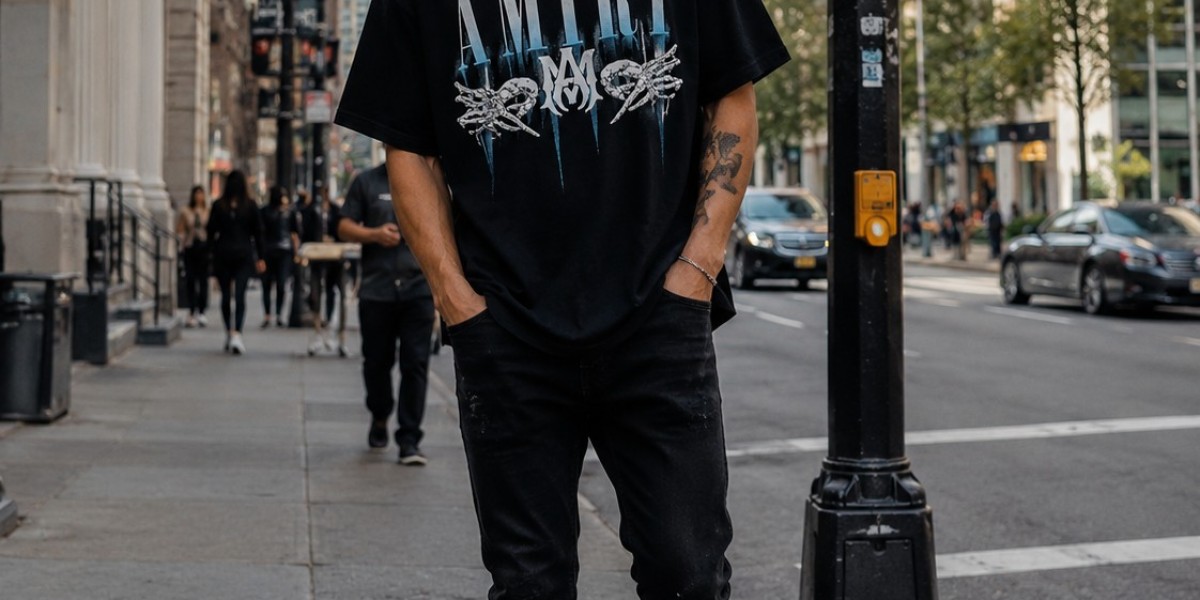
Fabric is everything in summer, and the rules are simpler than most people make them out to be. Cotton is your best friend, but not all cotton behaves the same in heat. Mid-weight cotton in the 180–220 GSM range hits the sweet spot for summer streetwear heavy enough to hold its shape and drape well, light enough to breathe properly when temperatures climb. Thin tropical-weight cottons under 150 GSM tend to look cheap and sit awkwardly on the body, even when the fit is technically correct. Linen blends work brilliantly in extreme heat because they wick moisture and dry fast, but pure linen wrinkles aggressively, which can read either as effortless or as messy depending on the rest of the outfit. Linen-cotton blends usually give you the breathability benefits without the deepest creases. Synthetic fabrics generally don't belong in serious summer streetwear they trap heat, hold sweat, and develop odor faster than natural fibers, which means an outfit that looked sharp at 10 AM smells and feels rough by 4 PM. There's an exception for technical lightweight nylon in shorts, where breathability is actually engineered in, but for tops, stick to cotton-based fabrics almost without exception. Denim still has its place in summer if you pick the right weight 10oz to 12oz denim breathes far better than the 14oz+ heavy denim that dominates winter rotations, and lighter washes reflect more heat than dark indigo. Rhinestone detailing, surprisingly, works well in summer because the stones themselves don't add meaningful heat to the garment, and the visual interest helps a lighter-weight piece carry more outfit responsibility. A rhinestone sleeveless tee or a graphic short-sleeve covers exactly this need visual personality on a fabric weight that won't punish you in real heat. That's the kind of construction choice worth paying attention to when you're shopping summer pieces specifically.
The Six Summer Streetwear Pieces Worth Building Your Wardrobe Around
Summer wardrobes work best when they're built from a small number of versatile pieces rather than dozens of one-off items. Here's the lineup that does the most heavy lifting across the season:
Two mid-weight graphic tees in your favorite designs one in a darker tone for evening or going-out plans, one in a lighter tone for daytime. These are your visual anchors when the rest of the outfit gets simpler in summer.
One sleeveless or rhinestone tee for the hottest days, when even short sleeves feel like too much fabric. This is the piece that lets you keep dressing intentionally instead of giving up on style entirely when temperatures hit their peak.
One pair of relaxed-fit cargo shorts in a neutral earth tone like olive, sand, or stone these pair with almost any tee in your rotation and elevate the look beyond basic athletic shorts immediately.
One pair of signature streetwear shorts with a clear identity, whether that's a logo, a print, or rhinestone detailing the statement piece that anchors your most considered summer outfits.
One short-sleeve button-down or open shirt in a lightweight cotton or linen blend, worn either fully buttoned for a sharper look or open over a tee for casual layering that still reads as intentional.
One pair of lightweight relaxed-fit jeans or trousers for cooler summer evenings, restaurants with aggressive air conditioning, and the rare summer day when you want to dress a notch up without overheating.
Color Choices That Actually Work in Strong Sunlight
Color reads completely differently in bright summer sun than it does in the dim indoor lighting where most product photos get taken, and this is the trap that catches most online streetwear buyers. Deep saturated colors that looked rich in the listing photo can wash out flat in midday sunlight, while subtle tones that seemed muted on screen often glow beautifully when natural light hits them. The safest bet for summer is anchoring your wardrobe in warm neutrals cream, sand, stone, olive, soft brown, washed indigo and adding color through one or two accent pieces rather than building entire outfits around bold colorways. White is a complicated choice in summer streetwear specifically, because while it reflects heat well and looks crisp in photos, it shows sweat instantly and stains easily, which makes it less practical for long days outside than people assume. Off-white, cream, or natural cotton tones give you most of the visual benefits without the staining problem. Black has the opposite issue it absorbs heat aggressively and can make you noticeably hotter in direct sun, which is why head-to-toe black summer outfits look harder to pull off in practice than they do in autumn lookbooks. If you love black, save it for cooler evenings or cloudy days. Earth tones genuinely thrive in summer because they harmonize with sun-bleached environments rather than fighting against them, and they pair effortlessly with both leather and suede sneakers in most colorways. Color accents work best when they pick up something already in your shoes or your statement piece, creating echo rather than competition. The full range at AmiriShop carries plenty of warm-tone options across shorts and tees that pair naturally with the kind of premium sneakers that anchor strong summer outfits without forcing the rest of the look to overcompensate.
The Streetwear Pieces You Should Skip in Summer Months
Some pieces simply don't work in summer regardless of how good they look the rest of the year, and recognizing them saves money, wardrobe space, and outfit disasters:
Heavyweight hoodies in cotton over 320 GSM become unwearable above 22°C and will sit unused in your closet for four straight months
Full denim jackets add unnecessary weight and trap heat without adding much visual benefit that a button-down shirt couldn't deliver more comfortably
Synthetic athleisure tops with poor breathability hold sweat and odor in ways that natural fibers don't, even when they look fine in photos
Heavy-soled chunky boots and high-tops with thick lining make your feet swell and ache after hours of summer walking, especially in humid climates
Anything 100% polyester for the upper body, since the lack of breathability makes the day genuinely uncomfortable regardless of fit or styling
Beanies, knit caps, and wool accessories that work brilliantly from October through April but look completely out of place in summer outfits
Dark indigo raw denim that's too heavy and too dark for hot days, even though the same denim becomes a wardrobe favorite the moment temperatures drop
Heavyweight varsity jackets that belong firmly in the autumn rotation save them for September rather than forcing them into August evenings
Footwear: Why Sneaker Choice Gets More Complicated in Heat
Summer footwear is one of those areas where small details matter enormously and bad decisions punish you within hours. Premium leather sneakers still work in summer, but the choice of colorway becomes more important white, cream, and light grey reflect heat noticeably better than black or dark brown, and the difference in foot temperature after a long walk is genuinely significant. Suede needs more careful consideration in summer because it's harder to clean if you sweat into it, and dust sticks to suede more aggressively than to smooth leather. The hands-on observation here, from styling clients across hot climates for years: invest in a quality shoe deodorizing spray and use it every time you take your sneakers off in summer months. It takes ten seconds, dramatically extends how fresh your shoes feel, and prevents the slow buildup that turns even premium footwear into something you don't want to put back on. Sock choice matters more in summer too, since cotton socks hold sweat against your foot and create blisters faster than merino wool blends, which sound counterintuitive for hot weather but actually wick moisture better than pure cotton. No-show socks work well with low-top silhouettes in warm weather; ankle socks suit mid-tops better. The trickiest part of summer footwear is balancing breathability with the visual weight that anchors an outfit slides and sandals are cooler but rarely carry enough presence to support a properly styled summer outfit, which is why premium low-top sneakers usually win out even when they're slightly warmer to wear. One honest limitation worth naming: even the best premium sneakers will collect more wear in summer than other seasons because you're wearing them on harder surfaces in tougher conditions, so factor in that they'll need more maintenance during warm months than during winter when boots take some of the load.
How Summer Streetwear Plays Differently Across Mexico, the US, and the UK
The same summer streetwear principles apply across markets, but the specific execution shifts based on climate and culture. Mexico's summer is hot, humid, and long Mexico City sits at altitude which moderates heat slightly, but coastal cities and northern states deal with serious temperatures that demand genuinely breathable fabrics and shorter sleeve lengths as default options. The Mexican streetwear buyer leans into warm tones and earth colors that flatter the sun-rich environment, with cream, terracotta, and sand showing up more often than the stark monochrome that dominates Northern European summer streetwear. Across the southern United States Texas, Florida, southern California, Arizona the climate operates similarly to Mexico's hottest regions, and the styling logic mirrors closely, with breathable fabrics, light colorways, and earlier evening outfit changes when humidity drops. The American Northeast has a shorter, milder summer with cooler evenings, which means buyers in New York and Boston often need lightweight outerwear options that southern markets skip entirely. The UK summer is the most unpredictable of the three markets and arguably the most challenging to dress for, since the same week can deliver bright 28°C afternoons and 14°C drizzly evenings. UK buyers benefit from a layered approach with packable lighter pieces, and the Mixed Emotions range of mid-weight tees and rhinestone designs works particularly well here because the pieces carry enough visual presence to anchor an outfit while remaining lightweight enough to wear when the sun actually shows up. Across all three markets, the constant is that summer streetwear rewards investment in fewer, better pieces three excellent summer items will outwork eight mediocre ones every single time, and the wardrobe stays sharper as a result.
Building Outfits That Survive Sweat, Sun, and Long Summer Days
Real summer outfits need to survive conditions that lookbook photos never test eight hours outside, hot transit, restaurant air conditioning, evening temperature drops, and the reality that you can't change clothes every three hours. The framework that actually works starts with planning the outfit around the longest activity of your day. If you're walking for hours, prioritize comfort first and visual interest second, since an uncomfortable outfit ruins how you feel regardless of how good it looks. If you're mostly sitting indoors with brief outdoor stretches, you can afford slightly heavier pieces that read better visually. Layering still matters in summer, just differently than in winter an open short-sleeve button-down over a graphic tee gives you the option to remove the outer layer when it gets too hot, while still having a styled outfit underneath. This kind of two-piece layering also handles the air conditioning problem that catches out unprepared buyers in summer, where you can be sweating outside and then freezing in a restaurant or office within fifteen minutes. Carrying a lightweight overshirt or unstructured jacket in a tote bag is the simple solution most people skip. Hydration and how you carry it matters more than fashion guides usually mention a quality crossbody bag or small backpack lets you bring water, sunscreen, and your phone without ruining the silhouette of your outfit. Cheap nylon bags with bright branding undercut otherwise considered outfits faster than almost any other choice, so this is one accessory category worth spending properly on. Take more photos of your summer outfits than you think you need, because reviewing how outfits actually photographed in real conditions teaches you faster than any styling guide can including this one. Your eye trains on what genuinely works for you specifically, and that personal feedback loop is what separates buyers who get better every summer from buyers who keep making the same mistakes year after year.
Final Words
Summer streetwear is harder than it looks because the fewer pieces in an outfit means each one has to earn its place more clearly. The buyers who consistently dress well in heat aren't doing anything magical they've just thought carefully about fabric weight, color choices, fit proportions, and the practical reality of long days in real summer conditions. Build your warm-weather wardrobe around versatile mid-weight cottons in warm neutral tones, invest in one or two signature pieces that anchor your sharpest outfits, and keep your footwear clean and properly maintained throughout the season. The pieces that look effortless on someone walking past you in July aren't accidents they're the result of someone making clear decisions about what works and what doesn't in heat. Apply the same thinking to your own wardrobe and the summer-dressing problem mostly solves itself, leaving you free to actually enjoy the season instead of fighting your closet every morning.
FAQs
Q: What's the ideal cotton weight for summer streetwear tees? A: Mid-weight cotton between 180 and 220 GSM hits the sweet spot heavy enough to drape properly and hold its shape, light enough to breathe in hot conditions. Anything under 150 GSM tends to look cheap and stick to the body.
Q: Can I wear premium leather sneakers in summer or should I switch to lighter footwear? A: Premium leather sneakers work in summer if you pick lighter colorways and stay on top of cleaning. White, cream, and grey reflect heat much better than black, and a regular deodorizing spray keeps them fresh through hot months.
Q: What's the best color palette for summer streetwear? A: Warm neutrals cream, sand, stone, olive, soft brown, washed indigo work best because they harmonize with sun-bleached environments and pair with almost any sneaker colorway. Add bold colors through one accent piece rather than building entire outfits around bright tones.
Q: Are rhinestone tees and shirts practical for summer wear? A: Yes, more than people expect. The stones themselves don't add meaningful heat, and the visual interest helps lighter-weight pieces carry more outfit responsibility, which is exactly what summer dressing needs.
Q: How do I keep summer outfits looking sharp through a long day outside? A: Plan the outfit around the longest activity, carry a lightweight layer for indoor air conditioning, use a quality crossbody bag for essentials, and keep premium sneakers clean with quick wipe-downs between wears. Small habits add up to a noticeable visual difference.