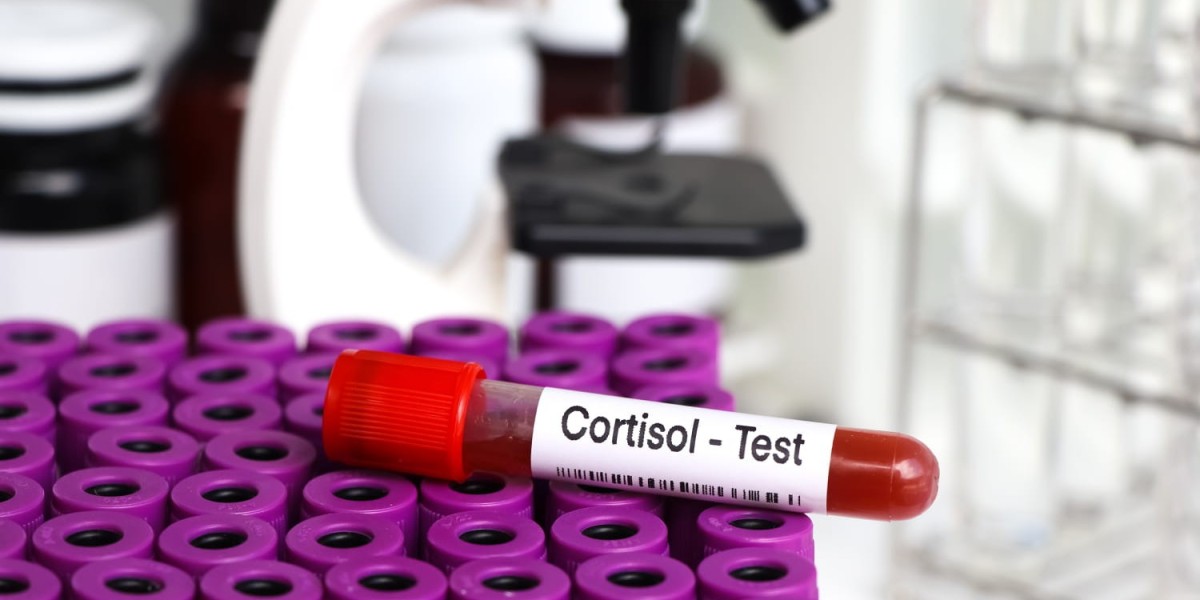

The human body has an incredible way of communicating when something is not functioning as it should. Persistent fatigue, unexplained weight changes, mood fluctuations, sleep disturbances, and ongoing stress may seem unrelated at first, but they can sometimes point to an underlying hormonal imbalance. One hormone that often plays a central role in these symptoms is cortisol.
Known as the body's primary stress hormone, cortisol influences numerous essential functions, including metabolism, blood sugar regulation, immune response, blood pressure control, and energy production. When cortisol levels become too high or too low, the effects can impact both physical and mental wellbeing.
A Cortisol Blood Test Dubai is a valuable diagnostic tool that helps healthcare providers evaluate adrenal gland function and identify conditions affecting hormone balance. However, many people wonder when this test is actually necessary. Understanding the signs, symptoms, and medical situations that may require cortisol testing can help ensure timely diagnosis and treatment.
Understanding Cortisol Before Understanding the Test:
Before discussing when cortisol testing is recommended, it is important to understand the role cortisol plays in the body.
Cortisol is produced by the adrenal glands, which sit above the kidneys. Its production is controlled by a communication network involving the hypothalamus and pituitary gland, often referred to as the hypothalamic-pituitary-adrenal axis.
Cortisol helps the body:
- Respond to physical and emotional stress
- Maintain healthy blood sugar levels
- Regulate metabolism
- Control inflammation
- Support immune system function
- Maintain blood pressure
- Regulate energy levels
- Support the sleep-wake cycle
Because cortisol affects so many body systems, abnormal levels can produce a wide variety of symptoms that may initially seem unrelated.
The Main Purpose of a Cortisol Blood Test:
A cortisol blood test measures the amount of cortisol circulating in the bloodstream at a specific time. Healthcare providers use the results to determine whether the adrenal glands are functioning normally and whether cortisol production is balanced.
The test is often ordered when symptoms suggest conditions such as:
- Adrenal insufficiency
- Addison's disease
- Cushing's syndrome
- Pituitary gland disorders
- Hormonal imbalance
- Chronic stress-related endocrine dysfunction
The goal is not simply to measure cortisol but to identify the underlying cause of troubling symptoms.
Persistent Fatigue That Does Not Improve:
Everyone experiences tiredness occasionally, but persistent fatigue that continues despite adequate sleep and rest may indicate an issue with cortisol production.
Low cortisol levels can interfere with the body's ability to generate and regulate energy effectively. Individuals may feel exhausted throughout the day, struggle with routine activities, or experience reduced stamina.
If fatigue becomes chronic and other causes have been ruled out, a healthcare provider may recommend a cortisol level test to evaluate adrenal gland function.
Unexplained Weight Gain or Weight Loss:
Unexpected changes in body weight are among the most common reasons doctors investigate hormonal health.
Weight Gain and High Cortisol:
Excess cortisol production may contribute to:
- Increased abdominal fat
- Facial fullness
- Weight gain despite unchanged eating habits
- Difficulty losing weight
Weight Loss and Low Cortisol:
Insufficient cortisol levels may cause:
- Loss of appetite
- Unintentional weight loss
- Reduced muscle mass
- Persistent weakness
A cortisol blood test can help determine whether hormone imbalance is contributing to these changes.
High Blood Pressure Without a Clear Cause:
Cortisol plays an important role in maintaining cardiovascular function.
Elevated cortisol levels may contribute to:
- High blood pressure
- Increased cardiovascular risk
- Fluid retention
Conversely, low cortisol production can lead to:
- Low blood pressure
- Dizziness
- Fainting episodes
When blood pressure abnormalities occur without an obvious explanation, cortisol testing may be included as part of a broader endocrine evaluation.
Frequent Mood Changes and Emotional Instability:
Hormones significantly influence mental health, and cortisol is no exception.
People experiencing cortisol imbalance may report:
- Anxiety
- Irritability
- Depression
- Difficulty concentrating
- Mood swings
- Increased emotional sensitivity
Although mental health symptoms can have many causes, persistent emotional changes accompanied by physical symptoms may warrant hormone testing.
Sleep Problems and Disrupted Circadian Rhythm:
Cortisol naturally follows a daily cycle. Levels are highest in the morning and gradually decrease throughout the day.
When this rhythm becomes disrupted, individuals may experience:
- Insomnia
- Difficulty falling asleep
- Frequent nighttime awakening
- Morning fatigue
- Poor sleep quality
A cortisol blood test may help determine whether abnormal hormone patterns are contributing to sleep disturbances.
Muscle Weakness and Reduced Physical Performance:
Cortisol influences muscle function, energy production, and metabolism.
Abnormal cortisol levels can contribute to:
- Muscle weakness
- Reduced exercise tolerance
- Fatigue during physical activity
- Slow recovery after exercise
These symptoms are often seen in both high cortisol and low cortisol disorders.
Difficulty Managing Stress:
Stress is a normal part of life, but the body's ability to respond appropriately depends largely on cortisol regulation.
Individuals with cortisol imbalance may notice:
- Poor stress tolerance
- Overwhelming fatigue after stressful situations
- Difficulty recovering emotionally
- Increased physical symptoms during stress
When stress responses seem unusually severe or prolonged, cortisol testing may help identify underlying endocrine issues.
Medical Conditions That Often Require Cortisol Testing:
Beyond symptoms, several medical conditions commonly prompt healthcare providers to order a cortisol blood test.
Suspected Cushing's Syndrome:
Cushing's syndrome develops when the body produces excessive cortisol over a prolonged period.
Common warning signs include:
- Rapid weight gain
- Round facial appearance
- High blood pressure
- Elevated blood sugar
- Muscle weakness
- Thin skin and easy bruising
Cortisol testing is one of the primary tools used during diagnosis.
Suspected Addison's Disease:
Addison's disease occurs when the adrenal glands fail to produce sufficient cortisol.
Symptoms may include:
- Chronic fatigue
- Weight loss
- Low blood pressure
- Dizziness
- Salt cravings
- Darkened skin pigmentation
A cortisol blood test is often one of the first investigations ordered when Addison's disease is suspected.
Adrenal Insufficiency Evaluation:
Healthcare providers frequently use cortisol testing to diagnose primary or secondary adrenal insufficiency, conditions that affect the body's ability to produce adequate cortisol.
Pituitary Gland Disorders:
Because cortisol production depends on signals from the pituitary gland, abnormalities affecting this gland may also require cortisol assessment.
Certain Medications May Trigger the Need for Testing:
Some medications can affect cortisol production or interfere with adrenal gland function.
Examples include:
- Long-term corticosteroid therapy
- Steroid inhalers
- Certain hormone treatments
- Some anti-seizure medications
Healthcare providers may recommend cortisol monitoring before, during, or after treatment involving these medications.
Why Timing Matters for Accurate Results?
Unlike many laboratory tests, cortisol levels change throughout the day.
Morning Testing:
Most cortisol blood tests are performed in the early morning when cortisol levels naturally peak.
Additional Testing When Needed:
In some cases, healthcare providers may request:
- Afternoon cortisol measurements
- Evening cortisol testing
- Multiple samples throughout the day
- Additional hormone evaluations
The timing helps provide a more complete picture of adrenal gland function.
Other Tests Often Ordered Alongside a Cortisol Blood Test:
A cortisol test is frequently combined with other investigations to improve diagnostic accuracy.
Common companion tests include:
- ACTH blood test
- DHEA-S testing
- Thyroid function tests
- Blood glucose testing
- Electrolyte panel
- Salivary cortisol test
- 24-hour urinary cortisol test
- Adrenal function assessment
Together, these tests help identify the exact cause of hormonal imbalance.
Frequently Asked Questions:
Can stress alone cause abnormal cortisol levels?
Yes. Emotional stress, illness, and physical exertion can temporarily increase cortisol production, which is why healthcare providers consider overall health when interpreting results.
Is a cortisol blood test part of routine health screening?
Not usually. It is generally ordered when symptoms or medical history suggest a possible adrenal or endocrine disorder.
How long does the test take?
The blood collection process typically takes only a few minutes.
Do I need to fast before testing?
Requirements vary depending on the laboratory and healthcare provider. Follow the instructions provided before your appointment.
Can cortisol disorders be treated?
Yes. Treatment depends on the underlying cause and may include medication, hormone replacement therapy, lifestyle changes, or specialized medical care.
Conclusion: Knowing When to Test Can Lead to Earlier Answers
A cortisol blood Lab tests is not something everyone needs routinely, but it can be extremely valuable when symptoms suggest a hormonal imbalance or adrenal gland disorder. Persistent fatigue, unexplained weight changes, blood pressure abnormalities, mood disturbances, sleep problems, and difficulty coping with stress are all situations where cortisol testing may provide important answers.
By identifying conditions such as Cushing's syndrome, Addison's disease, adrenal insufficiency, and pituitary disorders, a cortisol blood test helps healthcare providers diagnose problems early and develop effective treatment plans. If you are experiencing symptoms that remain unexplained despite other evaluations, discussing cortisol testing with your healthcare provider could be an important step toward understanding your health and restoring hormonal balance.