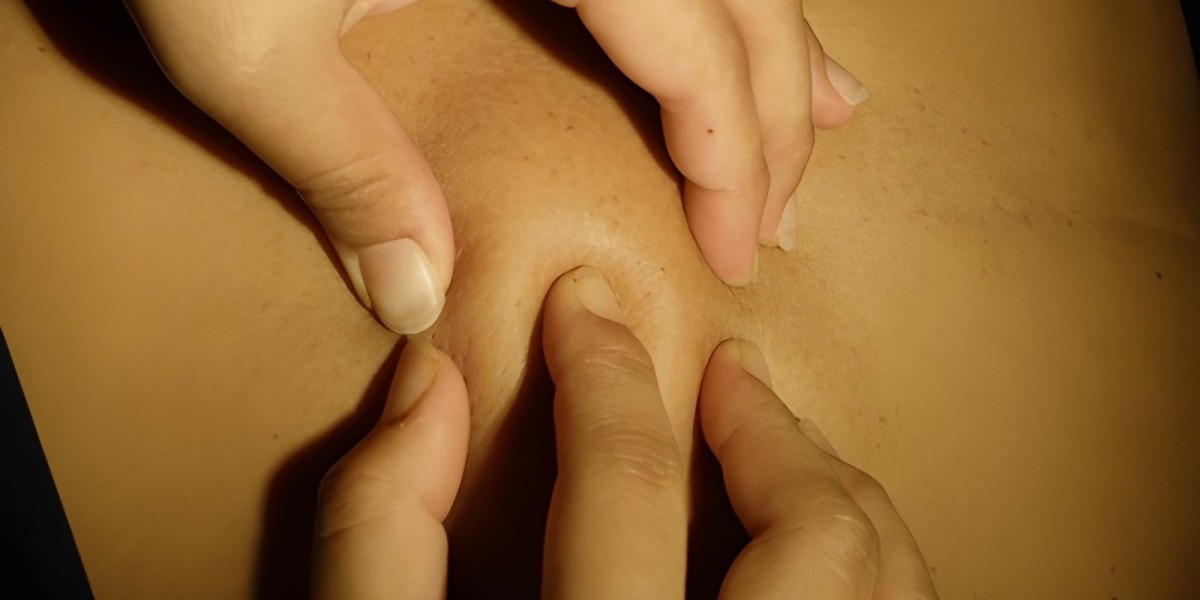

Lipomas are soft, slow-growing lumps made of fat cells that develop under the skin. They are usually benign and painless, which is why many people choose to ignore them for years. However, while they are not typically dangerous, leaving them untreated for a long time can lead to discomfort, cosmetic concerns, or changes that may require medical attention later.
At a Harley Street dermatology clinic in London, patients often seek advice after noticing that a long-standing lump has gradually increased in size or started to affect daily comfort. Understanding what can happen if a lipoma is left untreated can help you decide when it may be time to consider professional evaluation.
Understanding Lipomas and the Reasons They Develop
A lipoma is a benign growth of fatty tissue that develops just beneath the skin. It is typically soft, movable, and slow-growing. Most lipomas appear on the neck, shoulders, back, abdomen, or arms.
While the exact cause is not always clear, several factors may contribute to their development:
- Genetic tendencies can play a significant role, especially if lipomas run in the family.
- Minor injuries or trauma to fat cells may sometimes trigger growth.
- Certain medical conditions may be associated with multiple lipomas.
- Age can be a factor, as lipomas are more commonly seen in middle adulthood.
In most cases, lipomas do not cause pain or complications, which is why many people delay seeking treatment.
What Happens When a Lipoma Is Left Untreated?
Although lipomas are generally harmless, leaving them untreated for years can lead to gradual changes that may become more noticeable over time.
Some possible developments include:
- Slow but continuous growth, which may make the lump more visible or easier to feel.
- Increased discomfort if the lipoma presses on nearby muscles, nerves, or tissues.
- Cosmetic concerns, especially when the lump appears in visible areas such as the arms or neck.
- Occasional restriction of movement if the lipoma becomes large in areas like the shoulder or back.
- Emotional discomfort or self-consciousness due to changes in appearance.
Even though complications are uncommon, long-term observation without medical assessment can sometimes allow the lipoma to reach a size where removal becomes more complex.
When Should You Start Paying Attention?
Not all lipomas require immediate treatment, but certain changes should prompt a medical review. Early assessment can help rule out other conditions and ensure peace of mind.
You should consider having a lipoma checked if you notice:
- Rapid increase in size over a short period of time.
- Pain or tenderness develops in the area.
- Hardening or changes in texture instead of remaining soft and movable.
- Redness, swelling, or signs of inflammation around the lump.
- Interference with movement or daily comfort.
These signs do not always indicate a serious problem, but they do justify a professional evaluation.
Why Professional Assessment Matters
Even though lipomas are typically benign, it is important not to assume every lump under the skin is a lipoma. Other conditions, including cysts or rarely more serious growths, can sometimes appear similar.
A professional assessment ensures that:
- The lump is correctly identified through physical examination or imaging if needed.
- Any unusual features are properly investigated.
- A safe and appropriate management plan is recommended.
- The patient understands all available treatment options.
Accurate diagnosis is the foundation of effective care and helps avoid unnecessary worry or delayed treatment.
Lipoma Growth Over Time
Lipomas usually grow slowly, but their behavior can vary from person to person. Certain lipomas stay unchanged for long periods, while others slowly become larger over time.
Factors that may influence growth include:
- Individual genetic tendencies that affect fat cell development.
- The specific area of the body where the lipoma develops can influence its behavior and growth pattern.
- Hormonal or metabolic influences in some individuals.
- The natural progression of fatty tissue accumulation.
As lipomas enlarge, they may become more noticeable under clothing or during physical activity, which is often when people begin considering treatment options.
When Treatment Becomes a Practical Option
As a lipoma becomes larger or more noticeable, many individuals begin exploring professional removal options. At this stage, treatment is often sought for comfort, appearance, or peace of mind.
Many patients choose lipoma removal treatment in London when:
- The lump is becoming increasingly visible or bothersome.
- Clothing or movement is affected by its size or position.
- There is uncertainty about whether the growth is truly a lipoma.
- The individual prefers a definitive solution rather than ongoing observation.
Treatment decisions are always personalized based on size, location, and patient preference.
How Lipomas Are Typically Treated
Multiple treatment techniques are available for lipoma removal, and the choice of procedure is based on individual assessment.
Common options include:
- Surgical excision, where the lipoma is carefully removed through a small incision.
- Minimal excision techniques aim to reduce scarring and recovery time.
- Liposuction-based removal in selected cases to extract fatty tissue.
Each method is designed to remove the lipoma effectively while preserving surrounding tissue and achieving a good cosmetic result.
Recovery After Treatment
Recovery is usually straightforward, although it depends on the size and location of the lipoma and the method used for removal.
Typical recovery experiences include:
- Mild swelling or bruising in the treated area for a short period.
- Temporary tenderness that gradually improves over a few days.
- Stitch care if surgical excision is performed.
- Gradual return to normal physical activities.
Most individuals recover without complications and experience relief from the presence of the lump.
FAQs
Are lipomas dangerous if left untreated?
Lipomas are usually harmless and do not become cancerous. Even so, it is important to keep an eye on them for any changes as time passes.
Can a lipoma disappear on its own?
Lipomas typically do not go away without treatment and may slowly increase in size.
Is it necessary to remove a small lipoma?
Small, painless lipomas do not always require removal unless they cause discomfort or cosmetic concern.
Can a lipoma grow large over time?
Yes, some lipomas can gradually grow larger if left untreated for many years.
Does lipoma removal leave a scar?
There may be a small scar depending on the removal method, but it is usually minimal and fades over time.
Conclusion
Leaving a lipoma untreated for years is often harmless, but it can lead to gradual growth, cosmetic concerns, or occasional discomfort. While many remain stable, others may become more noticeable or problematic over time. Understanding how lipomas behave helps you make informed decisions about when to seek medical advice. With proper assessment and treatment options available, managing a lipoma can be simple, effective, and reassuring when needed.