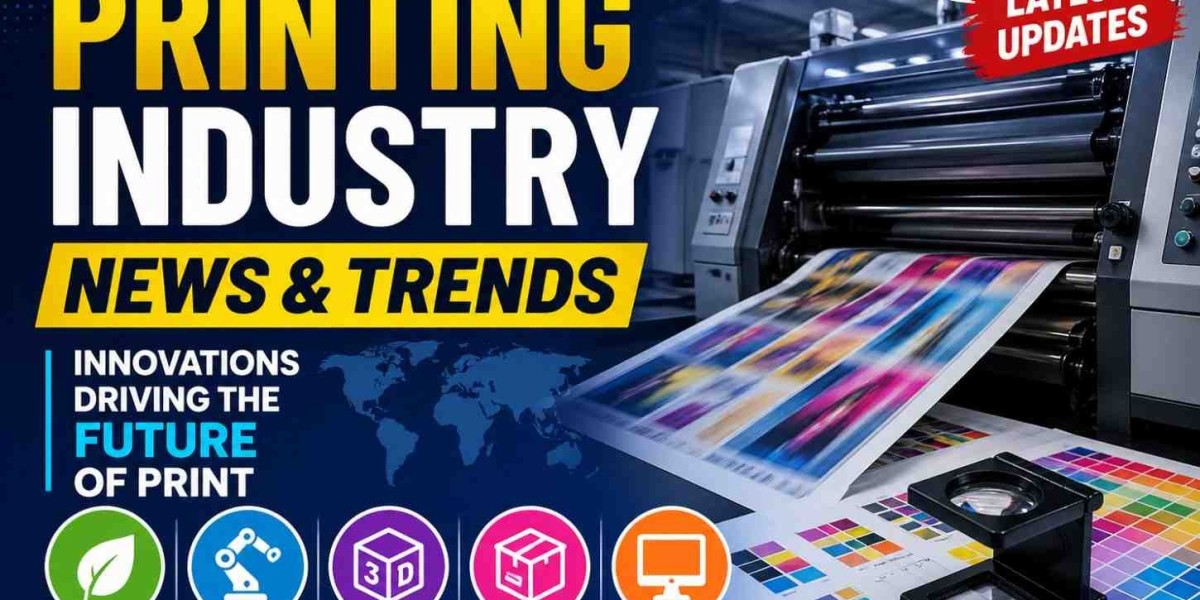

The printing industry is no longer limited to newspapers, magazines, and commercial brochures. Over the last few years, the sector has evolved into a technology-driven ecosystem powered by automation, digital workflows, packaging innovation, and sustainable production methods. Today, printing industry news is dominated by conversations around AI-powered print systems, digital packaging, smart labels, eco-friendly materials, and faster production cycles.
For platforms like Inkish News, the focus has shifted from traditional print discussions to the future of connected printing technologies and industrial transformation. Printers across the globe are adapting to changing customer expectations, shorter turnaround times, and growing demand for personalization. As a result, the modern print business looks very different from what it did even a decade ago.
The Industry Is Moving Beyond Traditional Printing
Commercial printing has seen steady changes as digital media consumption continues to rise. However, the industry itself is not shrinking — it is transforming. Packaging, labels, textile printing, and digital production are creating new opportunities for print businesses worldwide.
Industry reports suggest that packaging has become one of the strongest growth areas in print, especially because of e-commerce, retail branding, and product presentation demands. In India particularly, packaging growth continues to support the larger printing sector.
This transition has encouraged printing companies to invest in:
Smart production systems
Automated workflows
Digital presses
Sustainable materials
High-speed inkjet technology
The companies adapting quickly are becoming more competitive and profitable in a rapidly changing market.
Digital Printing Is Becoming the Industry Standard
One of the biggest topics in recent printing industry news is the rapid growth of digital printing technologies. Digital printing is now moving beyond short-run commercial jobs and entering mainstream packaging production.
Unlike traditional offset printing, digital printing offers flexibility, personalization, and faster setup times. Brands can now create customized packaging, regional campaigns, and short production runs without increasing costs dramatically.
Experts believe 2026 will be a defining year for digital print adoption, especially in packaging and label production. AI integration and connected production systems are also helping digital printing become more efficient and scalable.
Modern print buyers now expect:
Faster turnaround times
Personalized packaging
Variable data printing
Real-time production tracking
Consistent print quality
Digital print technologies are helping businesses meet all these demands efficiently.
Automation Is Transforming Print Production
Automation is no longer optional in the print industry. Printers are now investing heavily in AI-based systems and workflow automation to reduce manual intervention and increase productivity.
Automated print workflows help businesses:
Reduce human error
Improve color consistency
Minimize downtime
Speed up production
Lower operational costs
AI-driven production monitoring and predictive maintenance are becoming increasingly common in large print facilities. According to recent industry reports, automation is now one of the strongest drivers of profitability in commercial and packaging print operations.
This shift is especially important because print companies are facing labor shortages and rising production costs. Automation allows businesses to handle more jobs with smaller teams while maintaining quality standards.
Sustainability Is Driving Industry Decisions
Environmental responsibility has become one of the biggest priorities in the printing and packaging industry. Customers, regulators, and global brands are demanding sustainable printing practices and recyclable packaging solutions.
Today’s printing industry news regularly highlights topics such as:
Recyclable paper packaging
Water-based inks
Low-VOC printing solutions
Waste reduction technologies
Energy-efficient printing equipment
Sustainable printing is no longer viewed as a premium option. It has become a business requirement for many companies worldwide.
Water-based inks, in particular, are gaining popularity in India because they reduce harmful emissions and improve workplace safety. Short-run digital printing also helps reduce waste because businesses only print what they need.
As governments introduce stricter packaging regulations, sustainability will continue shaping the future of print manufacturing.
Smart Packaging and Connected Labels Are Growing Fast
Packaging is becoming smarter and more interactive. QR codes, RFID tags, NFC chips, and Digital Product Passports are now being integrated into labels and packaging materials.
These technologies improve:
Product traceability
Supply chain visibility
Customer engagement
Anti-counterfeit protection
Inventory management
The label printing segment is seeing major investments in barcode systems and intelligent packaging solutions. Businesses are increasingly using connected packaging to improve customer experiences and operational efficiency.
For brands, smart packaging creates stronger consumer interaction. For manufacturers, it improves logistics and data tracking.
This trend is expected to expand significantly in pharmaceuticals, food packaging, cosmetics, and retail sectors.
Packaging Has Become the Industry’s Growth Engine
Packaging is now one of the most important sectors within the global printing industry. The rise of e-commerce has dramatically increased demand for corrugated boxes, flexible packaging, labels, and branded packaging materials.
Industry experts believe packaging is helping the printing sector remain strong despite declines in traditional commercial print.
Several factors are driving packaging growth:
E-Commerce Expansion
Online shopping has increased demand for shipping boxes, branded packaging, and protective materials.
Brand Competition
Companies now invest heavily in attractive packaging to improve shelf visibility and customer experience.
Regulatory Requirements
Food, pharmaceutical, and consumer goods industries require detailed labels and compliance printing.
Product Personalization
Brands want shorter print runs and customized packaging campaigns for specific markets.
As packaging demand rises, printers are increasingly investing in advanced digital presses, automation systems, and finishing technologies.
The Rise of AI in Printing
Artificial intelligence is quickly becoming part of everyday print production. AI is helping companies optimize workflows, improve color management, analyze production data, and predict machine maintenance needs.
Instead of replacing workers entirely, AI is enhancing operational efficiency. Many print companies are using AI-powered systems for:
File correction
Print inspection
Production scheduling
Workflow optimization
Quality control
Reports indicate that AI adoption in packaging and print production is accelerating globally.
As AI tools become more affordable, small and medium-sized print businesses are also beginning to explore intelligent production systems.
Challenges Facing the Printing Industry
Despite strong innovation, the industry still faces several challenges.
Rising Equipment Costs
Modern printing equipment requires significant investment, making it difficult for smaller print businesses to compete.
Skilled Workforce Shortages
Many print companies struggle to find trained operators familiar with digital systems and automated workflows.
Raw Material Pricing
Paper, ink, and packaging material costs continue fluctuating globally.
Technology Adaptation
Some traditional printers still rely on outdated systems and face difficulty adapting to digital production environments.
However, businesses that invest in modernization and automation are finding new growth opportunities across packaging, labels, and specialty printing.
The Future of Printing Looks More Connected
The future of print is not just about ink on paper. It is about connected production ecosystems, smart packaging, sustainable materials, and intelligent automation.
Industry leaders are focusing on creating faster, more efficient, and environmentally responsible print operations. Hybrid workflows combining offset and digital printing are becoming increasingly common, allowing businesses to handle both large-scale and personalized jobs efficiently.
The modern printing industry is evolving into a technology-first manufacturing sector where software, data, automation, and sustainability play equally important roles.
For readers following printing industry news through platforms like Inkish News, the next few years will likely bring even greater innovation in packaging, automation, digital print, and AI-driven production.
Conclusion
The printing industry is experiencing one of the most significant transformations in its history. Digital printing, automation, sustainability, smart packaging, and AI technologies are reshaping how print businesses operate worldwide.
While traditional commercial print continues to evolve, sectors like packaging and labels are creating strong new opportunities for growth. Businesses that adapt to these changing trends are positioning themselves for long-term success in an increasingly competitive market.
The future of print is faster, smarter, more sustainable, and deeply connected with technology. And according to current printing industry news, this transformation is only beginning.
FAQs About Printing Industry News
1. What is the biggest trend in the printing industry today?
Digital printing and automation are currently the biggest trends because businesses want faster production, personalized printing, reduced waste, and improved operational efficiency across packaging and commercial print sectors.
2. Why is packaging important for the printing industry?
Packaging has become a major revenue driver due to e-commerce growth, branding requirements, and increased demand for sustainable and customized packaging solutions across multiple industries worldwide.
3. How is AI changing the printing industry?
AI improves workflow automation, predictive maintenance, color management, quality inspection, and production scheduling, helping print companies reduce errors, lower costs, and increase operational productivity significantly.
4. Is sustainable printing becoming necessary?
Yes, sustainable printing is now essential because brands and consumers increasingly demand recyclable packaging, eco-friendly inks, reduced emissions, and environmentally responsible print production methods globally.
5. What role does digital printing play in modern packaging?
Digital printing enables faster production, short-run packaging, variable data printing, personalization, and cost-effective customization, making it highly valuable for modern packaging and label production industries.