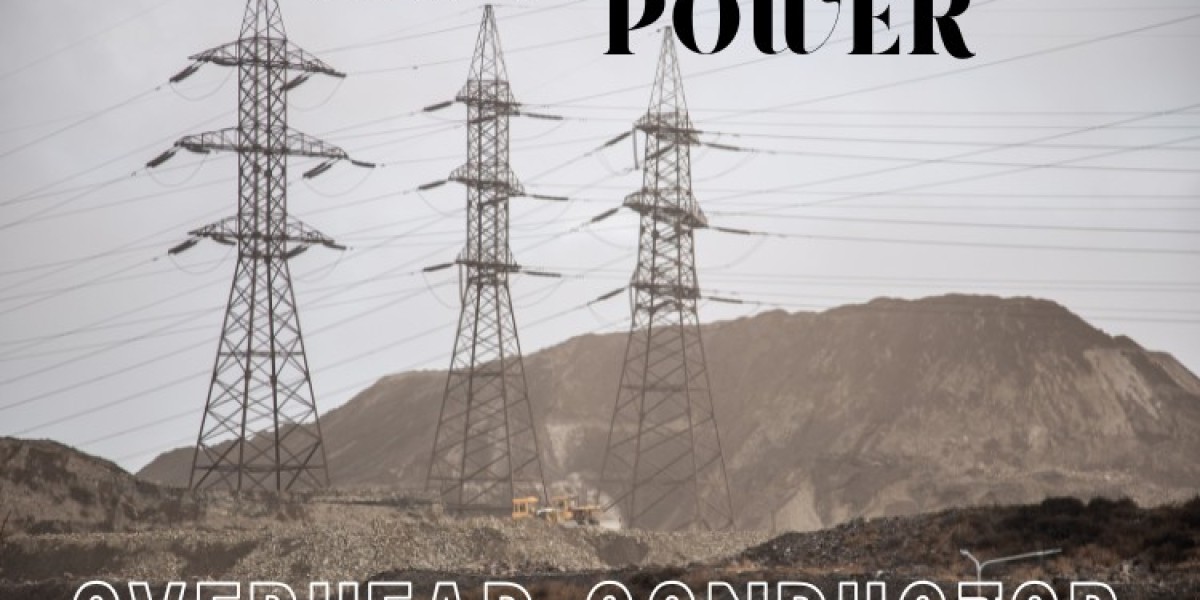

In today’s rapidly expanding energy infrastructure, the demand for efficient, durable, and cost-effective power transmission solutions is higher than ever. An overhead conductor plays a critical role in delivering electrical energy from generation plants to distribution networks and end users. Whether supporting urban electrification, rural expansion, or large-scale industrial grids, overhead conductors remain the backbone of global power transmission systems.
As energy consumption grows and renewable integration increases, utilities and EPC contractors require conductors that can handle higher loads, reduce transmission losses, and withstand environmental challenges. This is where advanced conductor technologies and reliable manufacturers like HNBF Power become essential.
What is an Overhead Conductor?
An overhead conductor is a type of electrical cable used in overhead power lines to transmit electricity across long distances. Unlike underground cables, overhead conductors are exposed to the atmosphere and are designed to withstand wind, temperature variations, corrosion, and mechanical stress.
They are typically mounted on transmission towers or poles and are widely used in:
- High-voltage transmission systems
- Medium-voltage distribution networks
- Rural electrification projects
- Industrial power supply systems
The most common types include:
- AAC (All Aluminium Conductor)
- AAAC (All Aluminium Alloy Conductor)
- ACSR (Aluminium Conductor Steel Reinforced)
- ABC (Aerial Bundled Cable)
Each type is designed for specific mechanical strength, conductivity, and environmental conditions.
Types of Overhead Conductors and Their Applications
1. AAC (All Aluminium Conductor)
AAC conductors are made entirely of aluminium strands, offering excellent conductivity. They are widely used in urban areas where shorter spans and lower mechanical stress conditions exist.
Key advantages:
- High conductivity
- Lightweight design
- Corrosion resistance
Applications:
Urban distribution networks and coastal regions.
2. AAAC (All Aluminium Alloy Conductor)
AAAC conductors use aluminium alloy instead of pure aluminium, improving strength while maintaining conductivity.
Key advantages:
- Better mechanical strength than AAC
- Improved corrosion resistance
- Suitable for long spans
Applications:
Coastal and industrial zones with high corrosion risk.
3. ACSR (Aluminium Conductor Steel Reinforced)
ACSR is one of the most widely used overhead conductors in transmission systems. It combines aluminium conductivity with a steel core for strength.
Key advantages:
- High tensile strength
- Ideal for long-distance transmission
- Excellent sag control
Applications:
High-voltage transmission lines and cross-country power grids.
4. ABC (Aerial Bundled Cable)
ABC cables are insulated conductors bundled together, designed for safer and more compact power distribution.
Key advantages:
- Reduced power theft
- Enhanced safety in urban areas
- Easy installation
Applications:
Urban streets, congested areas, and rural electrification projects.
Key Challenges in Overhead Power Transmission
Despite their widespread use, overhead conductors face several technical and environmental challenges:
1. Power Loss and Efficiency Issues
Electrical resistance leads to energy losses over long distances. Utilities are increasingly demanding conductors with improved conductivity and lower resistance.
2. Mechanical Stress and Sagging
Wind, ice loading, and temperature variations can cause conductor sagging, affecting clearance and safety.
3. Corrosion and Environmental Exposure
Coastal and industrial environments accelerate corrosion, reducing conductor lifespan.
4. Thermal Performance Limitations
High current loads generate heat, which can degrade conductor performance if not properly managed.
Engineering Solutions in Modern Overhead Conductors
To address these challenges, manufacturers are developing advanced conductor technologies that enhance both performance and durability.
High-Strength Alloy Materials
Modern AAAC conductors use advanced aluminium alloys to improve tensile strength without significantly increasing weight.
Improved Core Designs
ACSR conductors now feature optimized steel cores that enhance mechanical stability and reduce sag.
Anti-Corrosion Coatings
Protective coatings extend conductor lifespan, especially in harsh environmental conditions.
Thermal-Resistant Conductors
Advanced conductors are designed to operate at higher temperatures without performance degradation, supporting modern high-load grids.
Role of Overhead Conductors in Smart Grid Expansion
The global shift toward smart grids and renewable energy integration has significantly increased the importance of overhead conductors. These systems require:
- Higher transmission efficiency
- Real-time load handling
- Integration with renewable sources such as solar and wind
- Improved grid stability and redundancy
Overhead conductors remain the most practical solution for long-distance transmission due to their cost efficiency and ease of maintenance compared to underground systems.
Why Material Selection Matters in Overhead Conductors
Selecting the right conductor type is critical for long-term performance and cost optimization. Key factors include:
- Electrical conductivity requirements
- Span length and tower design
- Environmental conditions
- Load capacity and thermal limits
- Installation cost and maintenance frequency
Engineers and procurement teams must carefully evaluate these parameters to ensure optimal grid performance.
HNBF Power: Delivering Reliable Overhead Conductor Solutions
As a global manufacturer specializing in power transmission products, HNBF Power provides a comprehensive range of overhead conductors, including AAC, AAAC, ACSR, ABC, LV power cables, and concentric cables.
With a focus on engineering precision and industrial-grade performance, HNBF Power supports:
- Utility-scale transmission projects
- EPC contractor requirements
- National grid modernization programs
- Industrial power distribution systems
Each product is designed to meet international quality standards, ensuring long-term reliability, reduced energy loss, and enhanced mechanical performance.
Future Trends in Overhead Conductor Technology
The overhead conductor industry is evolving rapidly due to rising energy demands and grid modernization initiatives.
1. High-Temperature Low Sag (HTLS) Conductors
These conductors allow higher current flow without increasing sag, improving transmission capacity.
2. Lightweight Composite Materials
Research is focused on reducing conductor weight while maintaining high strength and conductivity.
3. Smart Monitoring Integration
Future overhead lines may include sensors for real-time monitoring of temperature, load, and structural integrity.
4. Sustainable Manufacturing
Environmental concerns are driving the adoption of eco-friendly production methods and recyclable materials.
Conclusion
Overhead conductors remain a fundamental component of global power transmission infrastructure. From AAC and AAAC to ACSR and ABC systems, each conductor type serves a unique purpose in ensuring efficient, reliable, and safe electricity distribution.
With increasing global energy demand, utilities and industrial operators require advanced conductor solutions that combine performance, durability, and cost efficiency. Manufacturers like HNBF Power play a crucial role in delivering these next-generation solutions for modern power grids.
FAQs
1. What is an overhead conductor used for?
An overhead conductor is used to transmit electrical power over long distances through overhead transmission and distribution lines.
2. What are the main types of overhead conductors?
The main types include AAC, AAAC, ACSR, and ABC, each designed for different mechanical and electrical requirements.
3. Which overhead conductor is best for long-distance transmission?
ACSR conductors are commonly preferred for long-distance transmission due to their high tensile strength and low sag characteristics.
4. How do overhead conductors reduce power loss?
Advanced conductor materials and optimized designs reduce electrical resistance, thereby minimizing energy losses during transmission.
5. Can overhead conductors be used in coastal environments?
Yes, AAAC and specially coated conductors are suitable for coastal areas due to their corrosion resistance.
CTA
For customized overhead conductor solutions tailored to your transmission, distribution, or industrial project requirements, contact HNBF Power today. Our engineering team is ready to support your project with high-performance, reliable, and cost-effective conductor systems designed for modern power networks.