
Micro display technology is becoming a key component in modern electronic devices. From augmented reality headsets to compact medical systems, these displays provide sharp image quality in very small sizes. Industries now rely on micro display solutions for lightweight products with advanced visual performance.
As demand for smart wearables and immersive viewing experiences grows, manufacturers are investing heavily in micro display development. These displays support high resolution, fast response speed, and low power consumption, making them suitable for next-generation electronics and optical applications.
In this article, I will explain how micro display technology works, its major types, advantages, applications, manufacturing challenges, and future trends shaping the display industry.
What Is a Micro Display?
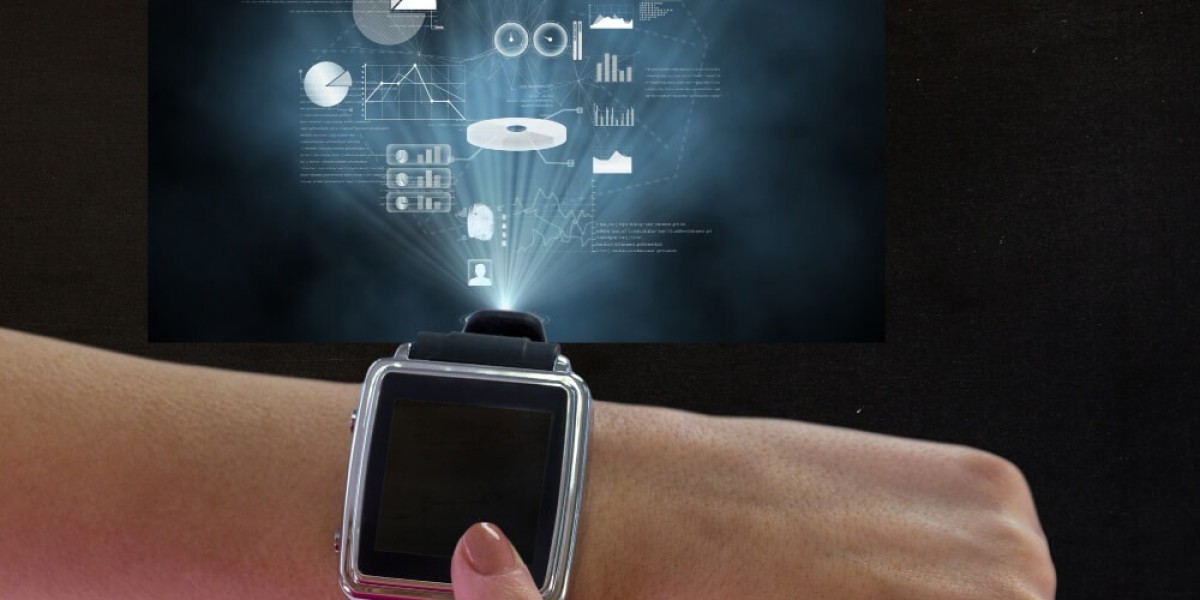
A micro display is a small-sized screen designed to produce high-quality visuals in compact electronic systems. Unlike traditional display panels, micro displays are extremely small and often used in near-eye applications, imaging devices, and wearable technology.
These displays can use several technologies, including OLED, LCD, LCOS, and micro LED. Each type offers different advantages depending on the application. Because of their tiny size and high pixel density, micro displays are widely used in industries that require lightweight and space-saving solutions.
The ability to deliver clear images in compact modules makes micro display technology highly valuable for AR glasses, VR headsets, digital viewfinders, and military optics.
How Micro Display Technology Works
Micro displays operate by controlling millions of tiny pixels within a very small screen area. Depending on the display type, the system may use liquid crystals, organic light-emitting diodes, or micro LEDs to generate images.
Some micro displays require backlighting, while others create light directly from individual pixels. Self-emissive technologies such as OLED and micro LED often provide better contrast ratios and deeper black levels.
Advanced driver circuits help manage pixel response speed, brightness control, and image accuracy. This improves motion handling and visual clarity for fast-moving content and immersive applications.
Types of Micro Display Technologies
OLED Micro Displays
OLED micro displays use organic compounds that emit light individually. These displays offer excellent contrast, fast refresh rates, and vibrant colors for wearable electronics and optical systems.
LCOS Micro Displays
LCOS, or Liquid Crystal on Silicon, combines liquid crystal technology with silicon backplanes. It is commonly used in projectors, simulation systems, and high-resolution imaging applications.
LCD Micro Displays
LCD-based micro displays use liquid crystal layers with external backlighting. They are cost-effective and suitable for many industrial and consumer devices.
Micro LED Displays
Micro LED technology uses microscopic LEDs for each pixel. These displays provide high brightness, energy efficiency, and long operational life.
Key Benefits of Micro Display Systems
Compact and Lightweight Design
Micro displays help manufacturers build smaller and lighter devices. This is especially important for wearable electronics and portable imaging systems.
High Resolution in Small Size
These displays deliver excellent image sharpness despite their tiny dimensions. High pixel density improves readability and visual detail.
Low Power Consumption
Efficient power usage makes micro display technology ideal for battery-powered devices such as smart glasses and portable electronics.
Faster Response Time
Fast pixel switching helps reduce motion blur and image lag. This creates smoother viewing experiences in AR, VR, and gaming systems.
Improved Optical Integration
Micro displays can integrate easily into advanced optical modules, making them suitable for head-mounted displays and precision imaging tools.
Applications of Micro Display Technology
Augmented Reality and Virtual Reality
AR and VR devices rely heavily on micro displays to deliver immersive visuals with low latency and high clarity. Compact size also helps reduce headset weight.
Medical and Healthcare Devices
Medical imaging systems use micro displays for accurate image presentation in diagnostic equipment and surgical tools.
Military and Defense Systems
Defense applications include helmet-mounted displays, thermal imaging devices, and targeting systems that require compact and reliable display solutions.
Digital Cameras and Viewfinders
Professional cameras often use micro displays in electronic viewfinders to provide detailed image previews and color accuracy.
Industrial and Automotive Systems
Micro displays are also used in industrial monitoring equipment and advanced automotive display systems for real-time visual feedback.
Micro Display vs Traditional Display Technologies
Traditional displays are designed for larger consumer electronics like televisions, monitors, and smartphones. In comparison, micro displays focus on compactness and precision.
Micro display technology supports higher pixel density in smaller spaces. This makes it ideal for optical systems and wearable electronics where standard displays may be too large.
Another major advantage is integration flexibility. Micro displays can fit inside lightweight products without compromising image quality or performance.
Challenges in Micro Display Manufacturing
Despite their advantages, micro displays also face manufacturing challenges. Producing tiny pixels with high accuracy requires advanced fabrication technology and precise engineering.
Cost remains another challenge, especially for newer technologies like micro LED. Complex production processes can increase manufacturing expenses.
Heat management and lifespan optimization are also important considerations. Manufacturers continue improving materials and design methods to increase durability and long-term performance.
Future Trends in Micro Display Technology
The future of micro display technology is strongly connected to the growth of wearable electronics, smart optics, and immersive digital experiences.
As AR glasses and mixed reality devices become more popular, demand for lightweight and energy-efficient displays will continue increasing. Companies are also developing brighter displays with improved color accuracy and better battery performance.
Future innovations may include flexible micro displays, ultra-high-resolution panels, and advanced optical integration for next-generation smart devices.
Conclusion
Micro display technology is transforming the way compact electronic systems deliver visual experiences. Its high resolution, lightweight design, low power consumption, and fast response speed make it valuable for AR, VR, healthcare, defense, and wearable applications.
As industries continue developing advanced smart devices, micro display solutions will become even more important. Businesses investing in next-generation visual systems are increasingly choosing micro display technology for better performance and compact integration.