
A concussion can happen after a sudden impact to the head or body during sports activities or motor vehicle accidents. While some symptoms appear immediately, others may take hours or even days to become noticeable. Recognizing the warning signs early is important for proper recovery and preventing symptoms from becoming worse.
For individuals seeking Concussion Management Edmonton, understanding the symptoms of a concussion can help determine when to seek medical attention and rehabilitation support.
What Is a Concussion?
A concussion is a mild traumatic brain injury that occurs when the brain experiences sudden movement inside the skull. This can happen after a fall, direct blow to the head, sports collision, or car accident. Even if there is no visible injury, the brain can still be affected.
Concussions are common in contact sports, cycling accidents, slips and falls, and motor vehicle collisions. Symptoms may vary from person to person depending on the severity of the injury.
Common Signs of a Concussion After a Sports Injury or Car Accident
Recognizing symptoms early can help individuals access the right treatment and support. Here are some of the most common concussion signs to watch for.
1. Headaches or Pressure in the Head
One of the most frequent concussion symptoms is a headache that develops shortly after an injury. Some people describe it as pressure or tightness in the head that does not improve quickly.
2. Dizziness or Balance Problems
Feeling dizzy, unsteady, or having trouble maintaining balance is another common sign. Individuals may feel like the room is spinning or experience difficulty walking normally.
3. Confusion or Difficulty Concentrating
A concussion can affect memory and focus. People may feel mentally “foggy,” forget details of the accident, or struggle to pay attention to conversations or tasks.
4. Nausea or Vomiting
Some individuals experience nausea following a concussion, especially shortly after the impact. In some cases, vomiting may occur.
5. Sensitivity to Light and Noise
Bright lights, loud sounds, or busy environments may suddenly become uncomfortable after a concussion. This symptom is often noticed during the early stages of recovery.
6. Fatigue or Sleep Changes
People with concussions may feel unusually tired or sleepy. Others may have difficulty sleeping or notice changes in their normal sleep pattern.
7. Blurred Vision or Eye Strain
Visual disturbances, including blurry vision or trouble focusing, can develop after a sports injury or car accident involving head impact.
8. Mood or Emotional Changes
A concussion may also affect emotions. Some people feel irritable, anxious, emotional, or more frustrated than usual during recovery.
Why Early Assessment Matters
Ignoring concussion symptoms can delay healing and make recovery more difficult. A Post-injury concussion assessment can help healthcare providers understand symptom severity and create a recovery plan based on the individual’s condition.
Early evaluation is especially important for athletes returning to sports or individuals recovering from a motor vehicle accident. Symptoms may worsen with physical activity if the brain has not fully healed.
How Concussion Treatment Can Help
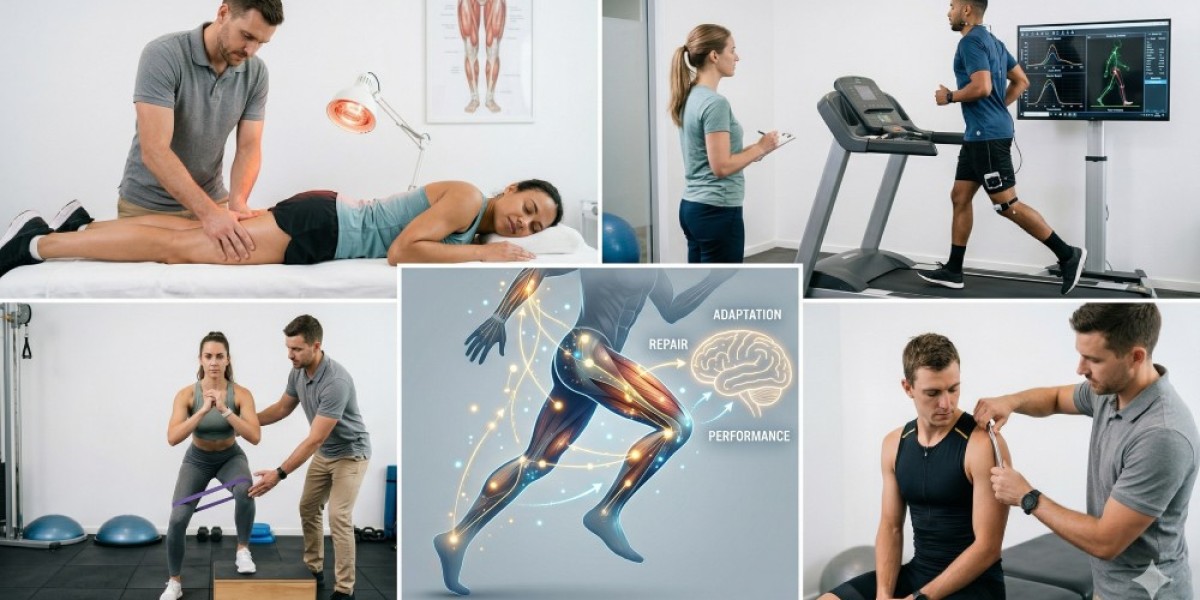
Post-injury concussion treatment often includes symptom monitoring, gradual activity progression, balance exercises, and rehabilitation strategies to improve recovery. Treatment plans are designed to help individuals safely return to school, work, sports, or everyday activities.
People seeking Concussion Management Edmonton may receive guidance for dizziness, headaches, balance concerns, neck pain, and movement difficulties associated with concussion recovery.
Final Thoughts
Recognizing concussion symptoms after a sports injury or car accident is important for proper healing. Headaches, dizziness, confusion, fatigue, and sensitivity to light or noise are common signs that should not be ignored. Seeking Concussion Management Edmonton support and a Post-injury concussion assessment can help individuals begin the recovery process and safely return to normal activities.