
Introduction
For many seniors, surgery is only the beginning of the recovery journey. The real challenge often starts after hospital discharge, when the body needs time, support, and rehabilitation to heal properly. According to healthcare studies, nearly 20% of elderly patients are readmitted to the hospital within 30 days after surgery, often because of poor recovery management, falls, infections, or lack of rehabilitation support. Research also shows that seniors who receive structured rehabilitation and post-operative nursing care recover faster and regain independence more effectively.
This is where PMR-led transition care is making a major difference in elderly recovery.
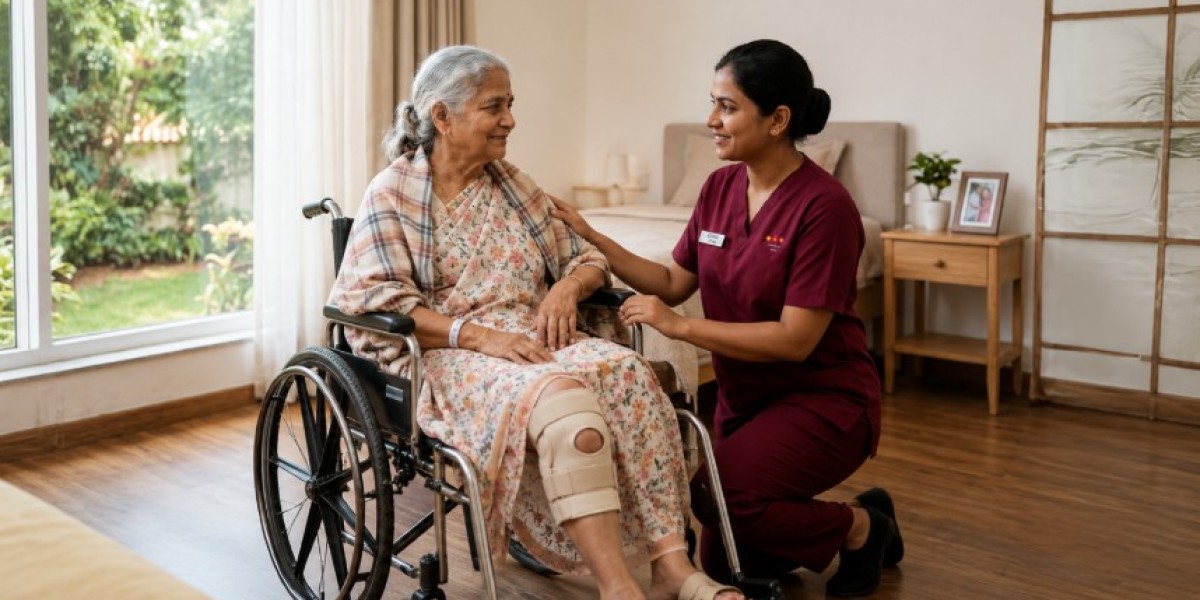
PMR, or Physical Medicine and Rehabilitation, focuses on improving mobility, strength, function, and quality of life after illness, injury, or surgery. When transition care is guided by PMR specialists, seniors receive personalized rehabilitation plans along with continuous medical monitoring and emotional support.
Today, many modern retirement homes, rehabilitation centers, and senior care facilities are adopting PMR-led recovery programs to help elderly patients recover safely and confidently after surgery, stroke, fractures, or serious illness.
For families, PMR-led transition care offers something extremely valuable peace of mind that their loved one is recovering under expert supervision.
What Is PMR-Led Transition Care?
PMR-led transition care is a specialized recovery program designed for seniors after hospital discharge. It combines:
Rehabilitation therapy
Post operative nursing care
Medical supervision
Mobility training
Pain management
Emotional support
Nutritional guidance
The care is usually supervised by PMR doctors, physiotherapists, nurses, occupational therapists, and rehabilitation specialists.
The main goal is to help seniors:
Recover safely
Prevent complications
Improve mobility
Regain independence
Avoid hospital readmission
Unlike regular recovery support, PMR-led transition care focuses not only on healing the surgical wound but also on restoring overall physical function and confidence.
Why Seniors Need Specialized Recovery Support
Recovery becomes more difficult with age. Seniors often heal slower due to:
Weak immunity
Reduced muscle strength
Existing health conditions
Poor balance
Limited mobility
Higher risk of infections
After surgery or hospitalization, many elderly patients experience weakness, fatigue, stiffness, and emotional stress. Even small complications can become serious if not managed properly.
This is why post operative nursing care and rehabilitation are extremely important for seniors.
Without proper support, elderly patients may develop:
Falls and fractures
Pressure sores
Muscle loss
Blood clots
Breathing complications
Depression and anxiety
Loss of independence
PMR-led transition care helps reduce these risks significantly.
How PMR-Led Transition Care Improves Recovery Outcomes
1. Personalized Rehabilitation Plans
Every senior has different recovery needs.
A PMR specialist carefully evaluates the patients:
Mobility level
Muscle strength
Balance