
Introduction
The digital marketing industry is expanding rapidly, and businesses today expect agencies to provide complete online marketing solutions under one roof. Services like SEO, PPC, social media management, content marketing, email campaigns, and website development have become essential for businesses aiming to stay competitive.
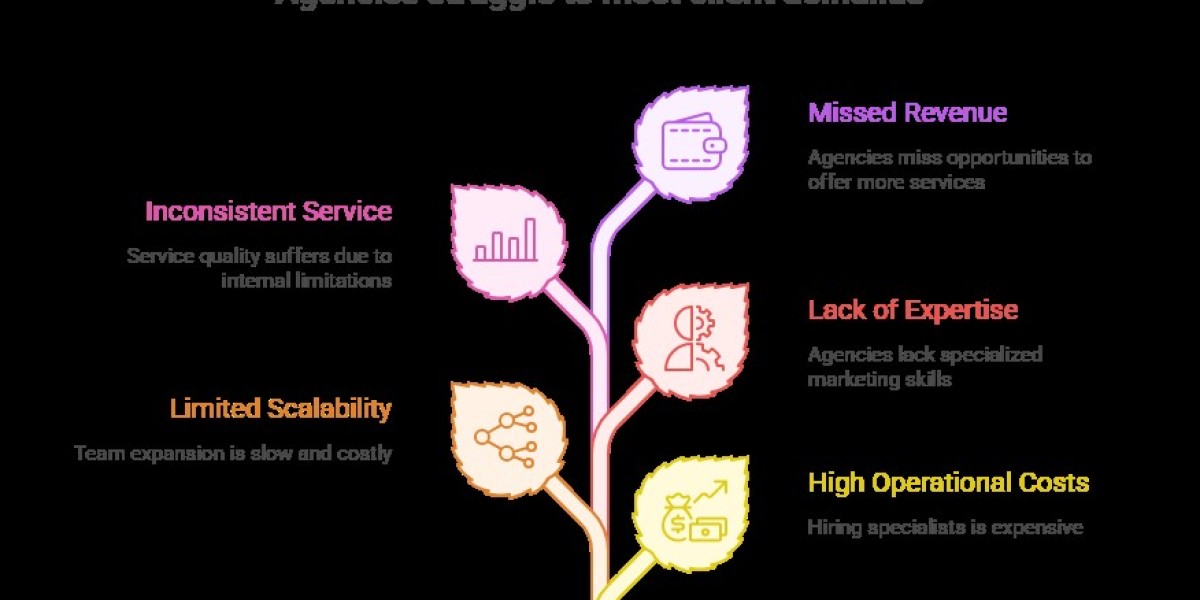
However, building an in-house team for every service is not always practical. Hiring experts, investing in tools, training staff, and managing operations can significantly increase costs and slow down agency growth.
This is where white label digital marketing services offer a powerful solution.
White label marketing allows agencies to outsource digital marketing work to experienced professionals while delivering those services under their own branding. Clients continue working directly with the agency, while the actual execution is handled behind the scenes.
This model helps agencies scale faster, reduce operational expenses, improve service quality, and focus more on business development.
Whether you are a startup agency, freelancer, consultant, or web development company, white label partnerships can become a strong foundation for sustainable growth.
This guide explores how white label marketing works, its advantages, services offered, and how to choose the right partner.
Understanding White Label Digital Marketing Services
White label digital marketing Services is an outsourcing model where agencies partner with another company to deliver marketing services under their own brand identity.
The outsourcing partner completes the work, while the client sees your agency as the service provider.
For example, if your agency offers SEO but does not have SEO specialists internally, a white label partner can handle the project while your agency manages communication and reporting.
Common outsourced activities include:
Keyword Research
Identifying valuable search terms for campaigns.
Website Optimization
Improving content, structure, and performance.
Content Creation
Producing blogs, articles, and marketing assets.
Reporting
Providing performance reports under your agency branding.
This approach allows agencies to expand capabilities without increasing overhead.
Why Agencies Are Adopting White Label Marketing
Digital marketing demand continues to rise, but agencies often face resource limitations.
White label partnerships solve many growth challenges.
Reduced Operating Costs
Building an internal team requires investment in:
Recruitment
Salaries
Training
Software subscriptions
Infrastructure
Outsourcing removes many of these expenses.
Faster Growth Opportunities
Agencies can onboard more clients without increasing staff size.
Access to Experienced Professionals
Work with specialists across multiple digital disciplines.
Better Productivity
Internal teams can focus more on strategy and client relationships.
Improved Client Satisfaction
Offering complete solutions increases customer retention.
How White Label Marketing Works
The process is simple and scalable.
Step 1: Client Acquisition
Your agency signs clients seeking digital marketing support.
Step 2: Requirement Gathering
Project goals and deliverables are collected.
Step 3: Project Allocation
The work is assigned to the white label partner.
Step 4: Campaign Execution
The provider performs optimization, advertising, content creation, or development tasks.
Step 5: Reporting and Delivery
Results are delivered using your agency branding.
This system enables agencies to focus on growth instead of execution.
Services Included in White Label Marketing
Most providers offer comprehensive marketing support.Search Engine Optimization (SEO)
SEO remains one of the most in-demand services.
On-Page SEO
Includes:
Keyword optimization
Meta tag improvements
Internal linking
Content enhancement
Technical SEO
Focuses on:
Website audits
Mobile optimization
Speed improvements
Crawl issue fixes
Off-Page SEO
Activities include:
Link building
Guest posting
Outreach campaigns
SEO outsourcing helps agencies improve search rankings and traffic.
Pay-Per-Click Advertising (PPC)
PPC campaigns generate faster visibility and leads.
Google Ads Management
Campaign creation and optimization.
Display Advertising
Visual campaigns targeting audiences.
Retargeting Campaigns
Bringing previous visitors back.
Conversion Tracking
Monitoring campaign performance.
PPC specialists help improve ROI.
Social Media Marketing
Social media strengthens brand awareness and engagement.
Services include:
Content Creation
Developing engaging posts and visuals.
Community Management
Managing audience interactions.
Paid Campaigns
Running targeted ads.
Reporting
Measuring campaign success.
Professional management improves online presence.
Content Marketing
Content supports SEO and lead generation.
Blog Writing
SEO-friendly articles.
Website Content
Landing pages and service pages.
Guest Posts
Authority-building content.
Product Descriptions
Optimized eCommerce content.
Quality content improves visibility and trust.
Website Design and Development
Many agencies outsource development projects.
Services include:
Website Development
Business and corporate websites.
Landing Page Creation
Conversion-focused pages.
CMS Management
Website administration support.
UI/UX Improvements
Enhancing user experiences.
These services help agencies become full-service providers.
Choosing the Right White Label Partner
Selecting the right provider directly impacts service quality and agency reputation.
Evaluate Experience
Review case studies and portfolios.
Check Service Range
Choose providers offering multiple solutions.
Review Communication Methods
Strong communication improves workflows.
Assess Reporting Transparency
Clear reports build client trust.
Consider Scalability
Ensure the provider supports future growth.
Many businesses compare several providers before selecting a white label digital marketing agency suitable for long-term goals.
Agencies aiming for expansion often evaluate options carefully to identify the best white label digital marketing agency for their service model.
Organizations seeking reliable outsourcing support also research extensively to choose the best white label digital marketing company.
Advantages of Digital Marketing White Label Services
The demand for digital marketing white label services continues increasing because agencies need scalable growth models.
Expand Services Quickly
Offer multiple services without hiring specialists.
Save Time
Focus on strategy and business development.
Increase Revenue
More services create additional income streams.
Reduce Operational Pressure
Avoid recruitment and management challenges.
Improve Brand Positioning
Clients see your agency as a complete solution provider.
Common Mistakes to Avoid
White label partnerships work effectively when managed correctly.
Avoid these common mistakes:
Choosing Only by Price
Low-cost services may compromise quality.
Ignoring Reviews
Always verify previous work.
Weak Communication
Poor coordination affects project delivery.
Undefined Processes
Clear systems improve productivity.
Overcommitting Services
Understand provider capacity before scaling.
Avoiding these mistakes supports long-term partnerships.
Internal Linking Suggestions
To improve SEO and user experience, add internal links to:
White label SEO services page
PPC management services page
Social media marketing page
Content marketing services page
Website development services page
About Us page
Contact Us page
Case studies page
Related blogs section
Internal links improve navigation and search performance.
Frequently Asked Questions
1. What are white label digital marketing services?
These are outsourced marketing services delivered under an agency’s branding.
2. Who can benefit from white label marketing?
Agencies, freelancers, consultants, and web development companies commonly use these services.
3. Are white label services profitable?
Yes. They reduce costs while expanding service capabilities.
4. Which services are usually included?
SEO, PPC, social media, content marketing, and website development are commonly offered.
5. How should agencies choose a provider?
Evaluate experience, communication, reporting, scalability, and service quality.
Conclusion
White label marketing has transformed agency growth by making expansion easier and more cost-effective.
Instead of building large internal teams, agencies can partner with experts and deliver professional solutions under their own brand.
This model improves efficiency, supports scalability, increases revenue opportunities, and allows agencies to focus on growth.
As competition continues to increase, adopting white label strategies can provide agencies with long-term advantages and sustainable success.