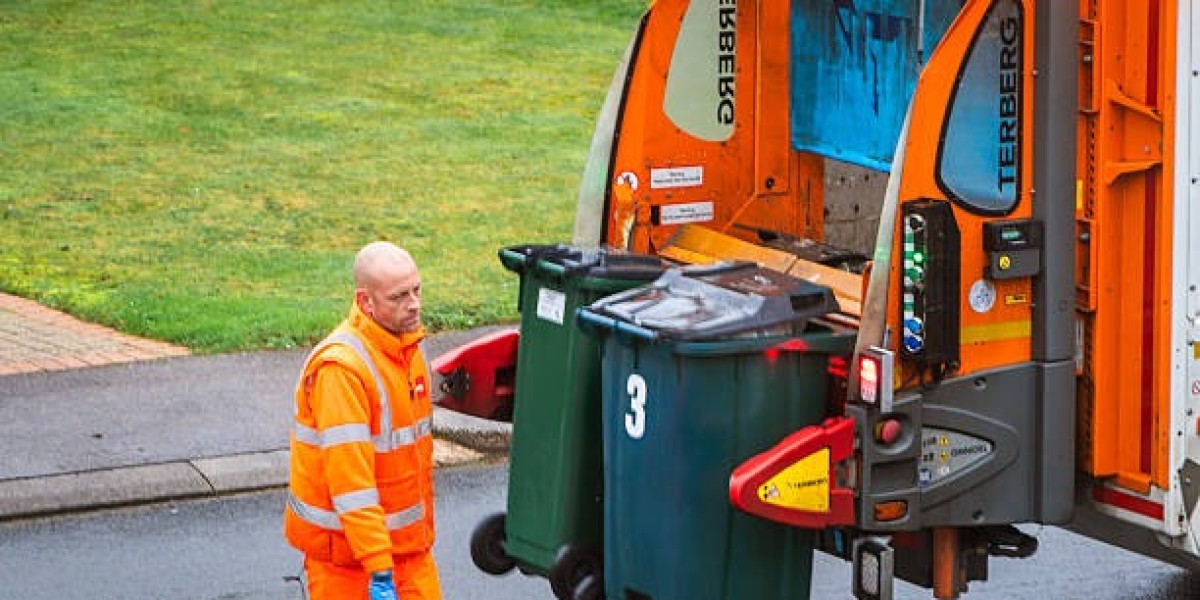

Experienced providers such as Supreme Junk Removal & Services help property owners manage large equipment disposal while supporting organized removal practices and responsible recycling procedures.
Key Takeaways
Large appliance disposal improves safety and household organization.
Recycling programs help reduce landfill waste from metal components.
Proper handling prevents property damage during heavy lifting.
Scheduled pickups simplify removal during remodeling projects.
Early preparation helps reduce delays during appliance disposal.
Residential appliance replacement activity has increased significantly as homeowners upgrade kitchens, laundry rooms, and energy systems. Environmental agencies estimate that millions of large appliances enter waste streams annually across the United States. Recycling facilities now recover valuable metals, plastics, and components from discarded appliances to reduce environmental impact and landfill accumulation.
Many households store broken or outdated appliances for years in garages, basements, sheds, or utility rooms because disposal logistics feel overwhelming. Over time, these unused items consume valuable space and may create accessibility or safety concerns throughout the property.
Why Appliance Disposal Requires Careful Planning
Large household appliances contain heavy components, electrical systems, and refrigerants that require safe handling during removal. Improper lifting may damage flooring, walls, staircases, and entryways, particularly within narrow residential spaces.
Certain appliances also contain regulated materials requiring specialized disposal methods. Refrigerators and freezers often include refrigerants that must be processed according to environmental regulations before recycling or disposal occurs.
Older appliances may additionally contain rusted components, damaged wiring, or leaking fluids that increase handling risks during removal projects. Organized preparation therefore remains important before attempting any large equipment disposal.
Appliances Commonly Requiring Removal Services
Refrigerators no longer operating properly.
Washing machines replaced during laundry upgrades.
Dryers damaged by age or electrical issues.
Ovens and stoves removed during kitchen remodeling.
Freezers occupying unnecessary storage space.
Removing these items promptly often improves usable space while reducing clutter throughout residential properties.
Responsible Appliance Disposal Supports Environmental Sustainability
Modern disposal practices increasingly focus on recycling instead of landfill dumping. Many appliance components, including steel, aluminum, copper, and certain plastics, may be recovered and reused through approved recycling programs.
Improper disposal creates environmental concerns because appliances frequently contain refrigerants, oils, electronic parts, and hazardous materials requiring specialized processing. Dumping these items illegally may violate local regulations and contribute to environmental contamination.
Many homeowners searching for appliance removal Auburndale, MA support prioritize providers familiar with recycling procedures, local disposal requirements, and environmentally responsible handling practices. Regional experience often improves scheduling coordination and disposal compliance.
Appliance Components Commonly Recycled
Steel and aluminum structural components.
Copper wiring and electrical materials.
Plastic panels and removable appliance parts.
Refrigeration systems processed through approved facilities.
Metal shelving and hardware components.
Recycling appliance materials helps reduce landfill pressure while supporting more sustainable waste management practices across residential communities.
Common Challenges During Appliance Removal Projects
Heavy lifting represents one of the largest challenges during appliance disposal projects. Refrigerators, washing machines, and commercial-grade equipment may weigh several hundred pounds, making transportation difficult without proper equipment and manpower.
Accessibility also creates complications. Narrow hallways, upper-level apartments, steep staircases, and tight doorways often increase removal difficulty and raise the risk of accidental property damage.
Scheduling coordination becomes another concern during renovation or moving projects. Appliance removal often needs to align with delivery schedules for replacement units, contractor timelines, or property sale preparation deadlines.
Factors That Influence Appliance Removal Costs
Several factors affect appliance removal pricing. Item size remains one of the primary considerations because larger appliances require additional labor, transportation space, and disposal handling. Heavy commercial appliances may increase hauling complexity compared to standard residential units.
Accessibility additionally impacts labor requirements. Multi-story homes, limited parking access, and confined entryways may extend project timelines and increase physical demands during removal work.
Disposal regulations also influence pricing. Refrigerators, freezers, and air conditioning systems frequently require additional environmental processing procedures before recycling or disposal can occur legally.
Important Considerations Before Scheduling Removal
Disconnect appliances from electrical and water connections.
Empty refrigerators and freezers before hauling appointments.
Measure doorways and pathways for safe appliance movement.
Identify appliances containing refrigerants or hazardous materials.
Schedule replacement deliveries separately from disposal timelines.
Advance preparation often improves removal efficiency while reducing unnecessary delays during active hauling appointments.
How Appliance Removal Supports Safer Living Spaces
Old appliances occupying garages, basements, and utility rooms often reduce storage accessibility and contribute to clutter buildup. Removing unused equipment helps create cleaner and more functional household environments.
Kitchen and laundry renovations also become easier after outdated appliances are removed. Contractors gain safer access to flooring, plumbing, cabinetry, and electrical systems during remodeling projects.
Research involving residential organization trends suggests decluttered living environments may positively influence productivity and stress reduction. Cleaner utility areas additionally improve safety by reducing tripping hazards and improving access during maintenance work.
Steps That Simplify Appliance Disposal Projects
Schedule removal before renovation work begins.
Separate reusable appliances from disposal-only equipment.
Prepare clear pathways for safe transportation.
Protect flooring during heavy equipment movement.
Confirm recycling procedures before disposal appointments.
Structured planning helps homeowners avoid unnecessary disruptions while improving overall project organization during appliance replacement projects.
Choosing the Right Appliance Removal Approach
Every disposal project requires a different strategy depending on appliance size, property layout, and disposal requirements. Single-unit removals may involve only basic hauling services, while full kitchen or laundry room upgrades often require coordinated removal scheduling for multiple appliances.
Property owners should evaluate disposal practices, recycling standards, communication quality, and labor experience before selecting a removal provider. Clear expectations regarding project scope and scheduling help reduce misunderstandings during active removal work.
Larger renovation projects frequently benefit from phased scheduling instead of removing all appliances simultaneously. This approach allows contractors and homeowners to maintain better coordination throughout remodeling activities.
Frequently Asked Questions
What appliances usually require specialized disposal handling?
Refrigerators, freezers, air conditioning systems, and certain commercial appliances often require specialized environmental processing because they contain refrigerants or hazardous materials.
Can old appliances still be recycled?
Many appliance components, including metal, copper, and certain plastics, may qualify for recycling through approved processing facilities.
How should homeowners prepare appliances before removal?
Homeowners should disconnect utilities, empty contents, clear surrounding pathways, and secure loose components before scheduled hauling appointments.
Does appliance removal help renovation projects move faster?
Removing outdated appliances early often improves contractor access during kitchen, laundry room, and flooring renovation projects.
What factors affect appliance removal timelines?
Appliance size, property accessibility, staircases, disposal regulations, and scheduling coordination commonly influence removal timelines and labor requirements.