
Industrial machinery depends on precision movement, load stability, and long-term reliability. When bearing systems fail, manufacturers often face production delays, rising maintenance costs, and equipment accuracy problems. In high-precision industries, even small bearing issues can reduce operational efficiency and damage expensive machinery.
Many industrial systems experience vibration, uneven rotation, overheating, and positioning errors because traditional bearings cannot manage complex multi-directional loads effectively. This is one of the main reasons why manufacturers increasingly rely on cross roller bearing solutions for advanced industrial applications.
Cross roller bearings are specifically designed to handle radial, axial, and moment loads simultaneously while maintaining high rotational accuracy. Their compact structure and rigid design make them essential for robotics, CNC machinery, medical equipment, and automation systems where precision is critical.
What Is a Cross Roller Bearing?
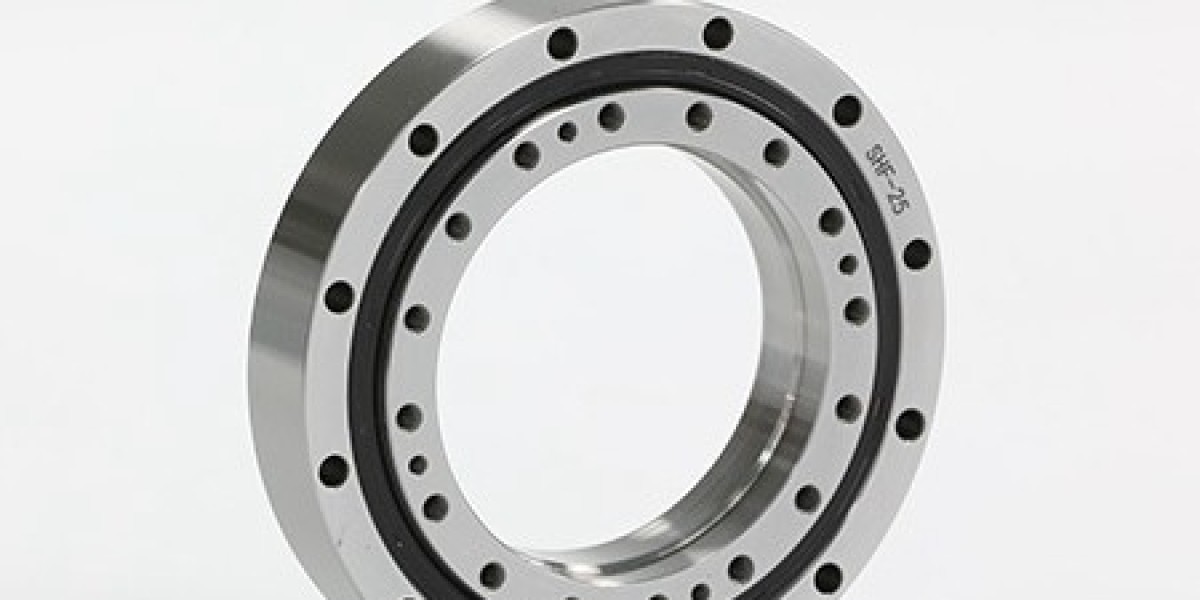
A cross roller bearing is a precision bearing designed with cylindrical rollers arranged perpendicular to each other between inner and outer rings.
The roller arrangement improves load distribution and allows the bearing to support multiple load directions at the same time.
This structural design increases rigidity, minimizes rotational deflection, and improves positioning accuracy during operation.
Unlike standard bearings that primarily support single-direction loads, cross roller bearings maintain stable movement even under combined operational pressure.
These bearings are commonly used in:
- Industrial robots
- CNC rotary tables
- Medical imaging systems
- Semiconductor equipment
- Precision measuring machines
- Automation systems
- Aerospace equipment
- Heavy-duty rotary applications
Their ability to deliver smooth rotational performance makes them highly valuable in industries requiring extreme precision.
Why Bearing Failures Happen in Precision Machinery
Many manufacturers focus on replacing failed bearings without identifying the underlying operational issue. Several factors contribute to premature bearing damage.
Improper Load Handling
Standard bearings may not tolerate combined radial and axial forces effectively. Excessive stress causes wear, instability, and deformation over time.
Installation Errors
Incorrect mounting procedures create uneven internal pressure that affects rotational accuracy and bearing lifespan.
Poor Lubrication
Insufficient lubrication increases friction between rollers and raceways, generating heat and accelerating wear.
Contamination Exposure
Dust, metal particles, and moisture entering the bearing assembly damage internal surfaces and reduce operational efficiency.
Excessive Machine Vibration
Continuous vibration weakens bearing stability and can eventually lead to cracking or surface fatigue.
Low-Quality Bearing Materials
Bearings manufactured with poor material quality often fail earlier under high-load or high-speed operating conditions.
These issues create unplanned downtime, expensive repairs, and reduced production performance.
How Cross Roller Bearings Improve Industrial Performance
Cross roller bearings are designed to solve several operational challenges in modern industrial systems.
Higher Rotational Accuracy
Precision machinery requires smooth and stable movement. Cross roller bearings reduce vibration and maintain accurate rotational positioning.
Multi-Directional Load Support
These bearings efficiently support radial, axial, and moment loads simultaneously, improving machine stability under complex operational conditions.
Increased Rigidity
The crossed roller arrangement minimizes elastic deformation, helping equipment maintain structural stability during operation.
Compact Design Benefits
Cross roller bearings provide high load capacity while maintaining a compact structure. This helps manufacturers optimize machine design and reduce space requirements.
Lower Maintenance Requirements
High-quality bearings reduce wear rates and extend service intervals, lowering maintenance frequency and operational costs.
For industries operating continuous production systems, improved reliability directly increases productivity and equipment lifespan.
Industries That Depend on Cross Roller Bearings
Several industries require bearing systems capable of delivering precision movement under demanding conditions.
Robotics Industry
Industrial robots require precise rotational control for automated assembly, welding, and material handling operations.
CNC Machinery
Rotary tables and spindle systems depend on high-rigidity bearings to maintain machining accuracy and surface quality.
Semiconductor Manufacturing
Semiconductor equipment operates under extremely precise positioning requirements where even minor vibration affects production quality.
Medical Equipment
CT scanners, MRI systems, and surgical robotics require smooth rotational movement with minimal operational noise.
Aerospace Applications
Aircraft and aerospace systems operate under high-speed and high-load conditions that demand reliable bearing performance.
These industries prioritize precision, durability, and operational stability when selecting bearing solutions.
Signs Your Cross Roller Bearings Need Replacement
Industrial maintenance teams should monitor equipment regularly to identify early signs of bearing failure.
Common warning signs include:
- Increased vibration
- Rotational instability
- Grinding noises
- Excessive operating temperature
- Positioning inaccuracies
- Lubricant leakage
- Reduced machine efficiency
Ignoring these symptoms can lead to severe equipment damage and unexpected production shutdowns.
Preventive maintenance programs combined with proper bearing selection help manufacturers reduce operational risk.
How to Choose the Right Cross Roller Bearing
Selecting the correct bearing requires understanding the machine’s operating conditions and performance requirements.
Load Capacity
Analyze whether the application involves heavy axial, radial, or moment loads.
Precision Requirements
Applications such as robotics and CNC machining require high-precision bearing classes.
Environmental Conditions
Machines operating in dusty or high-temperature environments require advanced sealing and heat resistance.
Material Strength
Premium bearing materials improve wear resistance and long-term operational durability.
Speed Performance
High-speed applications require bearings optimized for stable rotational movement and reduced friction.
Industrial buyers should focus on long-term operational reliability rather than only initial product pricing.
Low-quality bearings often increase maintenance expenses and reduce overall production efficiency.
Why Reliable Bearing Suppliers Matter
Choosing the right bearing supplier directly impacts machine performance and maintenance costs.
Reliable suppliers provide:
- Precision-engineered products
- Consistent manufacturing quality
- Technical support
- Application-specific recommendations
- Stable supply chain availability
Yuwei Bearing supports industrial applications with precision bearing solutions designed for demanding operational environments.
Manufacturers benefit from suppliers that understand industrial challenges and provide reliable engineering support.
Conclusion
Bearing failures create serious operational problems for industries that depend on precision machinery and continuous production systems. Poor bearing performance often leads to vibration, positioning errors, increased maintenance costs, and unexpected downtime.
Cross roller bearings provide an effective solution for applications requiring high rigidity, multi-directional load handling, and accurate rotational movement. By selecting high-quality bearings and implementing proper maintenance practices, manufacturers can improve machine stability, reduce downtime, and extend equipment lifespan.
Businesses that invest in reliable cross roller bearing solutions gain better operational efficiency, improved production accuracy, and stronger long-term equipment performance.