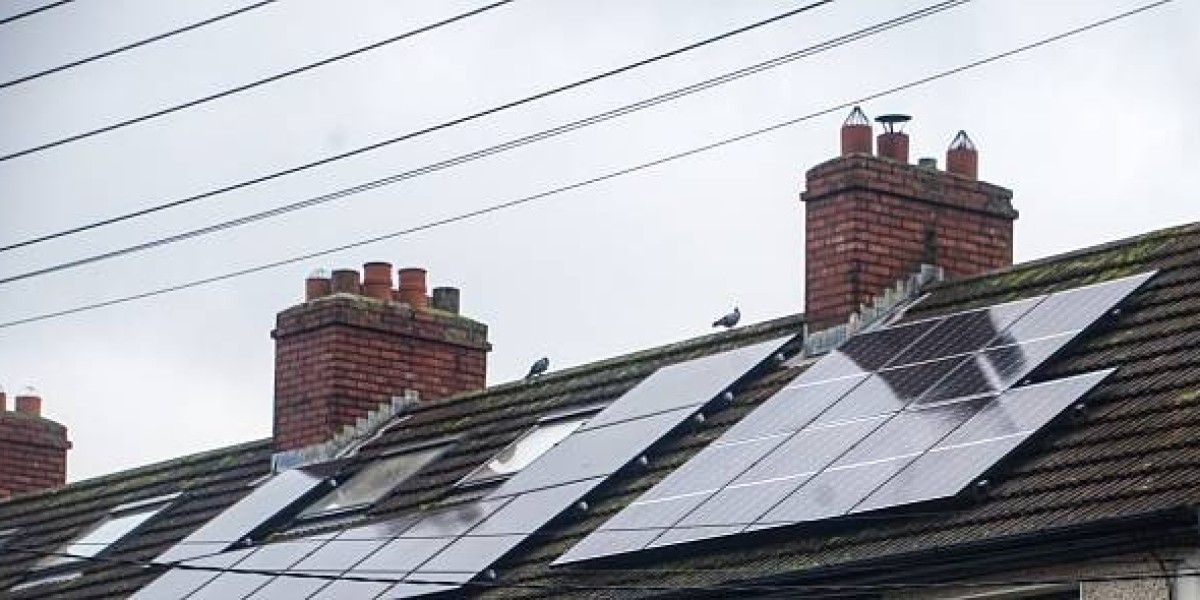

Solar panels are supposed to make life easier. Lower power bills, less dependence on the grid, and a cleaner energy setup overall. But here’s the part many people don’t think about until it becomes obvious — pigeons absolutely love solar panels.
Warm space underneath. Safe shelter. Quiet nesting area. It’s basically luxury housing for birds. And once they settle in, the mess starts piling up fast. Feathers, nesting debris, and especially droppings. A lot of it.
That’s where proper pigeon guano cleaning becomes important. Not just for hygiene, but for the actual performance of your solar system. Dirty panels don’t work as efficiently. It’s that simple.
And honestly, ignoring the problem usually makes it way worse later.

Why Pigeon Guano Is a Serious Problem for Solar Panels
A few bird droppings may not seem like a huge issue at first. People usually think rain will wash it away. Sometimes it does. Mostly it doesn’t.
Pigeon guano is acidic. Over time, it can stain surfaces and slowly damage parts of the panel frame. When droppings dry and harden under constant heat, they become difficult to remove too. Some spots almost bake onto the glass.
Even small shaded areas on a solar panel can reduce energy output more than most homeowners expect. Solar cells work together in sections, so one dirty spot can affect a larger area of performance. It’s annoying, but that’s how the system works.
Then there’s the nesting issue underneath the panels. That can block airflow and create overheating problems. Wires can get damaged too. Pigeons peck around a lot more than people realize.
So yes, pigeon proofing solar panels isn’t just about keeping birds away. It’s protecting the investment sitting on your roof.
Signs Your Solar Panels Need Immediate Cleaning
You don’t always need a professional inspection to notice something’s wrong. Usually the signs show up pretty clearly.
Some common ones include:
Visible white or dark droppings on the panel surface
Clumps of feathers around the edges
Reduced energy production on your monitoring app
Constant pigeon activity on the roof
Bad smells near gutters or roof spaces
Nesting sounds under panels early in the morning
Sometimes homeowners only notice after seeing their electricity savings suddenly drop. They think the panels are failing, but the issue is just years of buildup.
And honestly, pigeon guano cleaning becomes much harder once the waste has been sitting there for months baking in the sun.
Safe Ways to Clean Pigeon Guano from Solar Panels
First thing — don’t climb onto the roof with random household chemicals and a pressure washer. That’s how people crack panels or hurt themselves.
Solar panels are durable, but not indestructible.
A safer approach works better.
Start with cool water early in the morning or later in the evening when the panels aren’t hot. Sudden temperature changes on hot glass can sometimes create stress fractures. Rare, but possible.
Use:
A soft brush or sponge
Low-pressure water
Mild soap if needed
Extension cleaning tools designed for solar panels
Avoid abrasive scrubbers completely. Also avoid harsh chemical cleaners. Some products leave residue that attracts even more dirt later.
If the guano buildup is severe, dried thick, or spread underneath the panels, it’s usually smarter to call a professional pigeon guano cleaning service. The health risks alone aren’t worth messing around with.

Health Risks Most People Forget About
This part gets overlooked constantly.
Pigeon droppings aren’t just gross. They can carry bacteria, fungal spores, and airborne contaminants. When dry guano gets disturbed during cleaning, particles can become airborne pretty quickly.
Breathing that stuff in is not ideal. Especially for people with asthma or respiratory issues.
That’s why professional cleaners wear proper protective gear during pigeon guano cleaning jobs. Gloves alone aren’t enough in heavy contamination areas.
And if nests are packed under the solar panels, there can also be mites and insects hiding around the debris. Not exactly something you want drifting into roof cavities.
How Pigeon Proofing Solar Panels Helps Long Term
Cleaning fixes the current mess. Proofing stops the next one.
Without prevention, pigeons usually come back. Same roof. Same nesting area. They’re stubborn birds.
Pigeon proofing solar panels typically involves installing protective mesh barriers around the edges of the system. These barriers block access underneath while still allowing airflow. Done properly, they’re barely noticeable from the ground.
Some companies also install bird deterrent spikes nearby, though mesh tends to be the main solution for solar systems.
And no, proper proofing doesn’t harm the birds. It just removes the shelter access they want.
A lot of homeowners wait too long before getting protection installed. By then, the nesting damage has already started.
Common Mistakes People Make with Solar Panel Cleaning
There are a few mistakes that happen over and over.
One big one is using pressure washers too aggressively. High-pressure sprays can damage seals or push water into sensitive areas.
Another mistake is ignoring the underside of the panels. People clean the visible surface but forget the nests hidden underneath. That’s usually where the worst buildup is sitting.
Cheap DIY bird deterrents are another issue. Plastic owls, fake snakes, hanging CDs — pigeons figure those out incredibly fast. Sometimes within days.
And honestly, some homeowners simply wait too long to act because they think the problem is “not that bad yet.” Meanwhile the droppings keep piling up.
Small issue becomes expensive roof cleanup later.
Best Time to Schedule Solar Panel Cleaning
Most solar systems benefit from at least one professional inspection and cleaning each year. In areas with heavy pigeon activity, twice a year may be better.
Spring and early summer are usually the worst nesting periods. If pigeons are already circling the roof around that time, it’s smart to deal with it early before nests fully develop.
Rainy seasons can also spread guano runoff into gutters, causing drainage issues around the house. That part surprises people sometimes.
Regular pigeon guano cleaning helps maintain energy efficiency, but it also keeps the whole roof area healthier and easier to maintain overall.
Choosing a Professional Pigeon Cleaning Service
Not every roof cleaning company understands solar panels properly. That matters.
Look for companies that specifically mention:
Solar panel-safe cleaning methods
Experience with pigeon proofing solar panels
Bird nest removal services
Roof safety certifications
Protective mesh installation
A decent provider should also inspect for wire damage or nesting debris while cleaning.
Cheap services sometimes skip the proofing part entirely, which just means the pigeons return a few weeks later. Then you’re paying all over again.

Final Thoughts on Keeping Solar Panels Performing Properly
Solar panels are designed to last for decades. But like anything exposed to weather and wildlife, they still need maintenance.
Pigeons are more than a small annoyance when they settle around solar systems. The mess affects efficiency, cleanliness, roof condition, and sometimes even electrical safety.
Regular pigeon guano cleaning keeps panels working closer to peak performance, while proper pigeon proofing solar panels helps stop the cycle from repeating every season.
It’s one of those maintenance jobs people delay until the problem becomes impossible to ignore. Better to handle it early. Much cheaper. Far less disgusting too.
FAQs
How often should solar panels be cleaned if pigeons are present?
If pigeons regularly sit or nest around the panels, cleaning every 6 months is usually a good idea. Heavy infestations may require more frequent inspections and maintenance.
Can pigeon droppings permanently damage solar panels?
Yes, over time pigeon droppings can stain surfaces and contribute to long-term wear because of their acidic nature. Quick cleaning helps reduce the risk of permanent marks or reduced efficiency.
What is the best method for pigeon proofing solar panels?
Protective mesh barriers installed around the panel edges are considered one of the most effective solutions. They block pigeons from nesting underneath while maintaining proper airflow.
Is pigeon guano dangerous to clean without protection?
It can be. Dried guano may contain harmful bacteria and airborne fungal spores. Proper safety equipment is important, especially for large accumulations or enclosed roof areas.