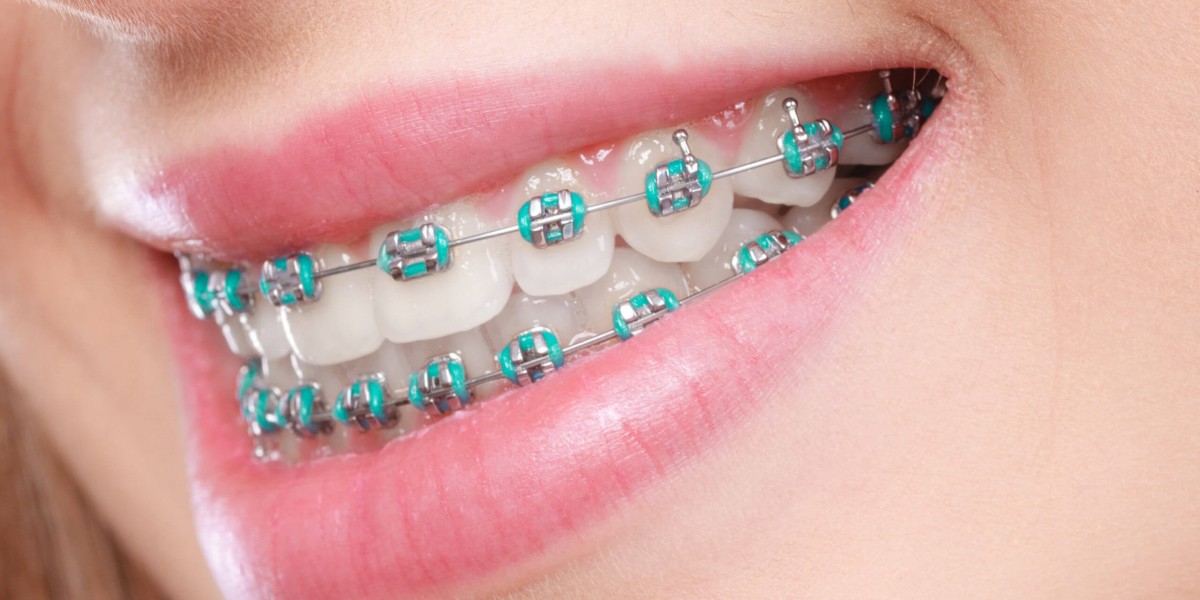

A healthy and attractive smile can improve your confidence and overall well-being. However, many people experience dental issues that affect both the appearance and function of their teeth. Problems such as crooked teeth, gaps, overcrowding, and bite issues may indicate that orthodontic treatment is needed. Dental braces are one of the most effective ways to correct these problems and create a healthier smile.
Many people are unsure whether they need braces because some dental problems may seem minor at first. Recognizing the warning signs early can help prevent more serious oral health issues in the future. Here are some common signs that you may need dental braces.
Crooked or Misaligned Teeth
One of the most obvious signs you may need braces is crooked teeth. Teeth that grow unevenly can affect your smile and make cleaning difficult. Misaligned teeth create spaces where food particles and plaque can build up, increasing the risk of cavities and gum disease.
Braces help straighten your teeth and make oral hygiene easier.
Overcrowded Teeth
Overcrowding happens when there is not enough space in your jaw for all your teeth to fit properly. This can cause teeth to overlap, twist, or grow in unusual positions.
Overcrowded teeth can be difficult to clean and may lead to oral health problems. Braces can create proper spacing and alignment.
Gaps Between Teeth
Large spaces between teeth may be caused by missing teeth, jaw growth issues, or genetics. Gaps can affect the appearance of your smile and may cause food to become trapped between teeth.
Braces help close gaps and improve overall alignment.
Difficulty Chewing Food
If you experience discomfort while chewing or notice your teeth do not meet properly when biting, this may be a sign of alignment problems. Bite issues can make eating uncomfortable and may cause uneven wear on teeth.
Braces can improve bite alignment and chewing function.
Frequent Biting of Cheeks or Tongue
People with misaligned teeth may accidentally bite their cheeks, lips, or tongue while eating or speaking. This can be painful and may indicate bite problems.
Orthodontic treatment can correct this issue.
Jaw Pain or Clicking Sounds
Jaw discomfort, clicking sounds, or difficulty opening and closing your mouth may be linked to bite misalignment. If left untreated, this can worsen over time.
Braces can help improve jaw alignment and reduce discomfort.
Speech Problems
Some dental alignment issues may affect speech and make it difficult to pronounce certain words clearly. Correcting tooth positioning can improve speech clarity.
Low Self-Confidence About Your Smile
Many people feel embarrassed about crooked or uneven teeth and avoid smiling in public. If you often feel self-conscious about your teeth, braces may help improve both your smile and confidence.
Your Dentist Recommends Orthodontic Treatment
Regular dental checkups may reveal alignment problems you may not notice yourself. If your dentist or orthodontist recommends braces, it is important to consider treatment options.
Final Thoughts
Recognizing the signs that you may need dental braces can help you take action before problems become worse. Braces can improve oral health, correct alignment issues, and boost confidence. Consulting an orthodontist is the best way to determine the right treatment for your smile.