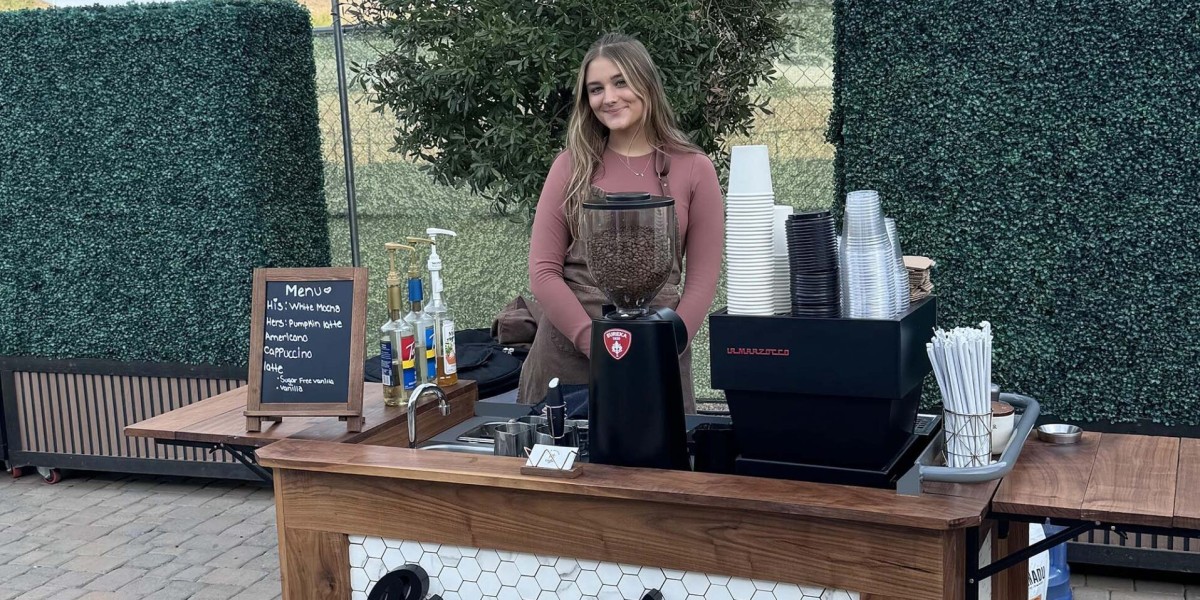

The coffee you serve speaks before your guests take a sip. A bright, acidic light roast whispers “fresh morning.” A bold, smoky dark roast announces “evening indulgence.” Choosing the wrong roast for your event's theme or season creates a disconnect—like serving iced coffee at a winter formal. Professional coffee catering considers roast profiles as carefully as wine pairings. Brew Avenue Coffee guides hosts through this decision. We are located in Phoenix, Arizona, United States , and our mobile cart offers a curated selection of roasts matched to your event's personality and calendar.
Roast Levels Decoded
Coffee roasts fall into three broad categories, each with distinct flavor, body, and energy.
Light Roast – Cinnamon or blonde. Retains origin character: fruity, floral, tea‑like. High acidity, light body. Best for morning, warm weather, and contemporary themes.
Medium Roast – American or city roast. Balanced: caramel, chocolate, nutty. Medium acidity and body. The universal crowd-pleaser, suited for most events.
Dark Roast – Full city, Vienna, French. Oily surface, smoky, bittersweet. Low acidity, full body. Perfect for evenings, cold weather, and formal themes.
Our coffee catering Service sources all three from single‑origin farms. Because we are located in Phoenix, Arizona, United States , we also carry a signature desert roast—medium-dark with notes of mesquite and wildflower honey.
Matching Roast to Event Theme
Modern Minimalist / Tech Launch → Light Roast
Sleek, clean, and forward‑thinking events demand a light roast. Serve as a pour-over or cold brew. The bright, transparent flavors mirror the aesthetic. Avoid dark roasts—they feel heavy and dated.
Rustic / Boho / Farm Wedding → Medium Roast
A medium roast with notes of toasted almond and milk chocolate complements burlap, wildflowers, and wooden tables. It is familiar without being boring. Offer it as a latte with oat milk and a dusting of cinnamon.
Classic / Black‑Tie Gala → Dark Roast
Elegance calls for depth. A dark roast with notes of dark chocolate, cedar, and blackberry feels luxurious. Serve as a double espresso or a decaf Americano after dessert. The richness signals quality and tradition.
Wellness / Yoga Retreat → Light Roast (Decaf)
Health-conscious guests appreciate the high antioxidant content of light roasts. Offer a half‑caff or decaf version. Pair with tasting notes of green apple and honey.
Matching Roast to Season
Spring (March–May) → Light Roast
Spring is light and floral. A light roast with jasmine or bergamot notes matches the season's energy. Serve iced after noon. For Easter brunch, offer a light roast with a dash of vanilla.
Summer (June–August) → Light to Medium Roast
Heat demands refreshment. Light and medium roasts work best for cold brew and iced lattes. Avoid dark roasts—they can taste burnt when chilled. Our summer recommendation: a medium-light roast cold brew with a float of coconut water.
Autumn (September–November) → Medium to Medium‑Dark Roast
Crisp air and falling leaves call for warmth. A medium-dark roast with notes of baking spices, caramel, and pecan pairs perfectly with pumpkin pastries. Offer as a hot latte with housemade cinnamon syrup.
Winter (December–February) → Dark Roast
Dark roasts shine in winter. Their low acidity and full body feel cozy and indulgent. Serve as a decaf evening drink with a sprinkle of cocoa. For holiday parties, offer a dark roast with notes of dried cherry and dark chocolate.
Special Case: Phoenix Seasons
Because we are located in Phoenix, Arizona, United States , our seasons differ. Summer last six months. We recommend light to medium roasts served iced or as cold brew from April through October. Winter (November–February) is mild, so dark roasts work well for evening events. Spring and fall are transitional—offer two roasts.
Creating a Theme + Season Signature Drink
Combine theme and season for a signature beverage. For example:
Spring Tech Summit – Light roast Ethiopian pour‑over with a hint of lavender.
Summer Wedding (Outdoor) – Medium‑light cold brew with prickly pear syrup and a lime wheel.
Autumn Corporate Gala – Medium‑dark latte with pumpkin spice (house‑made) and a cinnamon stick.
Winter Black‑Tie Wedding – Dark roast decaf espresso with a float of vanilla bean cream.
Practical Tips for Hosts
Offer two roasts for events over 75 guests – one light/medium, one dark/decaf.
Label roasts clearly with flavor notes and origin (eg, “Ethiopian Light Roast – Blueberry & Jasmine”).
Match roast to serving style – Light roasts for pour-over and cold brew, dark roasts for espresso.
Consider your menu – Dark roast with chocolate desserts, light roast with fruit tarts.
Conclusion
Matching coffee roasts to your event's theme and season creates harmony. Light roasts energize spring mornings and modern themes. Medium roasts comfort autumn gatherings and rustic weddings. Dark roasts indulge winter galas and formal evenings. Brew Avenue Coffee brings expert roast selection to every event. Whether you need service for a public food festival, a business party, or a private wedding, we help you choose wisely. We are located in Phoenix, Arizona, United States , and we are ready to match your perfect roast.
Frequently Asked Questions
1. Can I serve multiple roasts at the same event?
Yes. Our cart can hold up to three different espresso blends. We also offer cold brew in a separate roast from hot espresso.
2. What roast do most guests prefer?
Medium roast. It is the most approachable. However, for morning events, light roast is popular. For after‑dinner, dark roast decaf wins.
3. Is dark roast stronger in caffeine?
No. Light roast actually has slightly more caffeine by volume because roasting burns off caffeine. However, the difference is minimal.
4. What roast is best for iced coffee?
Medium-light roast. It stays bright and refreshing. Dark roast iced coffee can taste ashy or bitter.
5. Do you offer seasonal roast specials?
Yes. We rotate a seasonal single‑origin every quarter. For summer, it is a cold brew‑friendly Peruvian medium roast. For winter, a dark roast Sumatra.
6. How far in advance should I discuss roast selection?
Two to three weeks. For custom blends, six weeks.