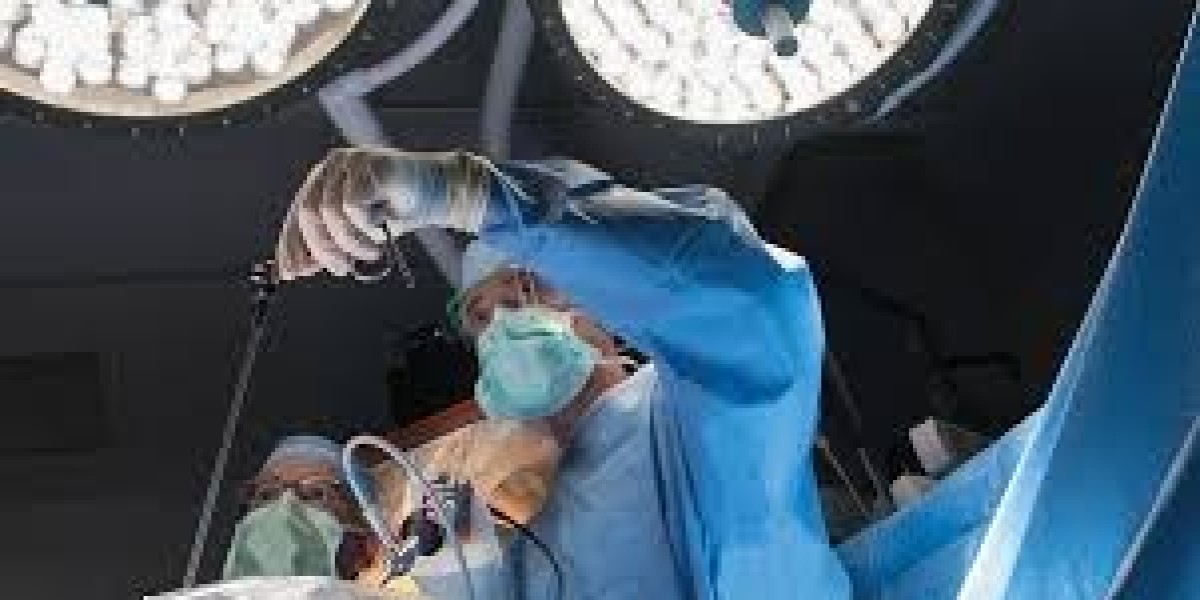

An upper gastrointestinal (GI) surgeon in the UK is a highly specialized medical professional who diagnoses and treats conditions affecting the upper part of the digestive system. This includes the oesophagus (food pipe), stomach, liver, gallbladder, pancreas, and the upper section of the small intestine. These surgeons play a crucial role in managing both benign and malignant conditions, often using advanced surgical techniques to improve patient outcomes and quality of life.
Upper GI surgery is a subspecialty within general surgery, requiring extensive training and experience. In the UK, surgeons undergo many years of medical education, followed by surgical training and further specialization in gastrointestinal procedures. This ensures they are equipped to handle complex cases involving digestive cancers, severe acid reflux, gallstone disease, and other upper abdominal disorders.
One of the most common conditions treated by upper GI surgeons is gastro-oesophageal reflux disease (GORD), especially in severe cases where medication is not effective. Surgical procedures such as fundoplication are performed to strengthen the valve between the stomach and oesophagus, reducing acid reflux symptoms. Similarly, patients suffering from gallbladder disease may require a cholecystectomy, a procedure to remove the gallbladder, often performed using minimally invasive techniques.
Upper GI surgeons in the UK are also heavily involved in the treatment of cancers affecting the digestive system. This includes oesophageal, gastric (stomach), liver, and pancreatic cancers. These conditions often require complex surgical procedures, sometimes combined with chemotherapy or radiotherapy. Early diagnosis and multidisciplinary care are essential for improving survival rates, and UK hospitals typically follow a team-based approach involving surgeons, oncologists, radiologists, and specialist nurses.
Modern upper GI surgery in the UK has advanced significantly with the introduction of laparoscopic and robotic-assisted techniques. These minimally invasive methods allow surgeons to perform complex operations through small incisions using specialized instruments and high-definition cameras. Patients benefit from reduced pain, shorter hospital stays, faster recovery, and lower risk of complications compared to traditional open surgery.
In many cases, upper GI surgeons also perform diagnostic procedures such as endoscopy. This allows them to visually examine the upper digestive tract and take tissue samples if needed. These procedures are essential for diagnosing ulcers, inflammation, tumours, and other abnormalities. Endoscopic techniques can also be used therapeutically, for example, to stop bleeding or remove small growths.
In the UK, patients access upper GI surgical care through the National Health Service (NHS) or private healthcare providers. Under the NHS, patients are usually referred by their GP to a specialist after initial assessment. Emergency cases, such as acute abdominal pain or suspected cancer, are prioritized for rapid investigation. Private healthcare offers quicker appointments and more flexible treatment options, which some patients prefer for convenience and reduced waiting times.
Postoperative care is an important part of upper GI surgery. Recovery depends on the type of procedure performed, but most patients receive close monitoring in hospital followed by structured follow-up appointments. Surgeons provide detailed guidance on diet, activity levels, and wound care to ensure proper healing. Rehabilitation and long-term monitoring are often necessary, especially for cancer patients.
In conclusion, upper GI surgeons in the UK are highly skilled specialists dedicated to treating complex digestive conditions with precision and care. With access to advanced technology, modern surgical techniques, and multidisciplinary support, patients benefit from safe procedures and improved outcomes. Their expertise plays a vital role in managing both routine and life-threatening gastrointestinal diseases, making them an essential part of the UK healthcare system.