
Hair loss is a concern that affects millions of people across different age groups, often impacting confidence and self-image. While surgical procedures have long been associated with hair recovery, many individuals today are exploring safer and less invasive alternatives. This shift has brought non-surgical hair restoration into the spotlight as a practical and accessible option. Unlike traditional methods, these solutions focus on improving scalp health, strengthening existing hair, and encouraging natural growth without the need for surgery. As awareness grows, more people are turning to these innovative techniques to address thinning hair in a way that feels comfortable, effective, and aligned with modern lifestyle preferences.
Understanding Non-Surgical Approaches
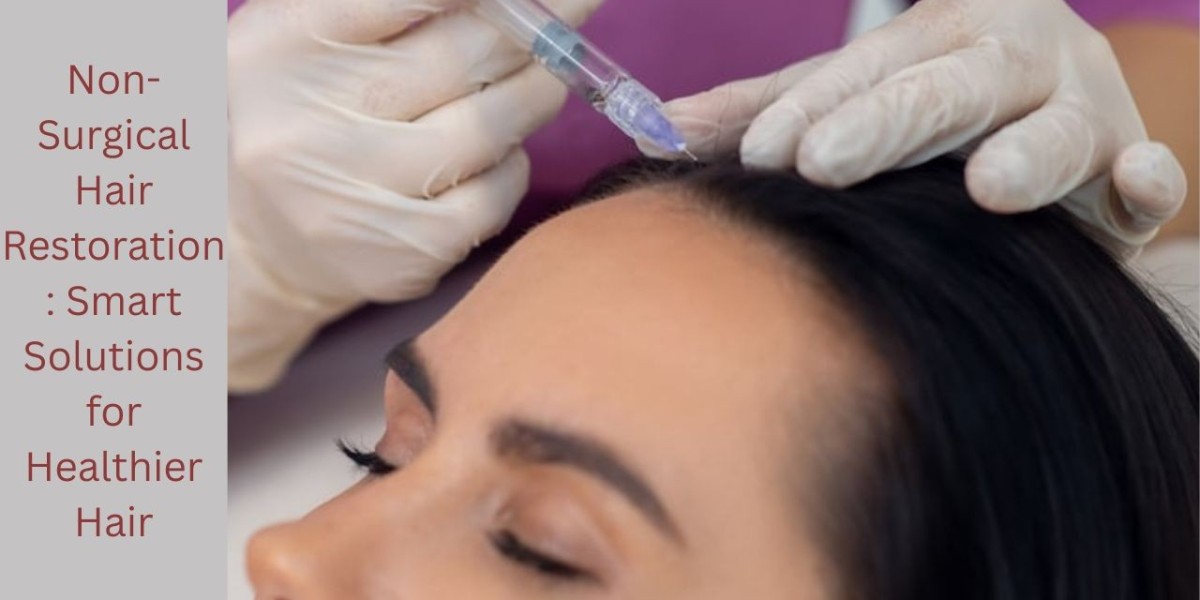
Non-surgical hair restoration refers to a variety of treatments designed to combat hair loss without invasive procedures. These methods aim to stimulate hair follicles, improve scalp condition, and slow down further hair thinning. Common techniques include laser therapy, topical treatments, platelet-rich plasma (PRP), and customized hair systems.
What makes these solutions appealing is their flexibility. They can be tailored to suit different types of hair loss, whether caused by genetics, stress, hormonal changes, or environmental factors. Instead of replacing hair through surgery, these treatments focus on preserving and enhancing what you already have.
The Science Behind Hair Regrowth
The effectiveness of non-surgical hair restoration lies in its ability to target the root causes of hair thinning. For instance, low-level laser therapy works by increasing blood circulation to the scalp, which helps deliver essential nutrients to hair follicles. Similarly, PRP treatments use the patient’s own blood components to stimulate natural growth.
Healthy hair growth depends heavily on follicle activity and scalp condition. When follicles receive adequate nourishment and oxygen, they are more likely to produce stronger, thicker strands. This is why many non-invasive treatments emphasize improving the scalp environment rather than simply masking hair loss.
Benefits of Choosing Non-Invasive Solutions
One of the main advantages of non-surgical hair restoration is the absence of downtime. Unlike surgical procedures, these treatments allow individuals to continue their daily routines without interruption. This makes them especially appealing to busy professionals and those who prefer low-maintenance options.
Additionally, these methods are generally more affordable and carry fewer risks. There is no need for incisions, stitches, or long recovery periods. Over time, consistent treatment can lead to noticeable improvements in hair density and texture, making it a practical long-term solution.
Personalized Treatment Plans
Hair loss is not a one-size-fits-all issue, which is why customization plays a key role in non-surgical hair restoration. Specialists often assess factors such as scalp condition, hair type, and the extent of hair loss before recommending a treatment plan.
For example, someone experiencing early-stage thinning may benefit from topical solutions and laser therapy, while another individual with more advanced hair loss might require a combination of PRP and specialized hair systems. Clinics like Beverly Hills Hair Restoration often emphasize personalized care to ensure that each treatment plan aligns with the individual’s specific needs.
Managing Expectations and Results
While non-surgical hair restoration offers promising results, it is important to approach it with realistic expectations. These treatments are designed to improve existing hair and slow down further loss rather than provide an instant transformation.
Consistency is key. Most individuals begin to notice gradual improvements over several months, depending on the chosen method and their body’s response. Patience and adherence to the recommended treatment plan are essential for achieving the best outcomes.
Who Can Benefit the Most?
Non-surgical hair restoration is suitable for a wide range of individuals, particularly those in the early to moderate stages of hair loss. It is also an excellent option for people who are not ready or eligible for surgical procedures.
Men and women alike can benefit from these treatments, as they address various causes of hair thinning. Whether dealing with pattern baldness, stress-related shedding, or postpartum hair loss, non-invasive solutions provide a versatile approach to hair care.
A Growing Trend in Hair Care
The popularity of non-surgical hair restoration continues to rise as more people seek natural and less invasive ways to manage hair loss. Advances in technology and research have made these treatments more effective and widely available than ever before.
As the industry evolves, individuals now have access to solutions that prioritize both results and comfort. This shift reflects a broader trend toward holistic and preventive approaches in personal care, where long-term health is valued over quick fixes.
Conclusion
Choosing the right approach to hair loss can make a significant difference in both appearance and confidence. Non-surgical hair restoration offers a practical and effective pathway for those looking to improve hair health without undergoing surgery. By focusing on scalp care, follicle stimulation, and personalized treatments, these methods provide a balanced and sustainable solution. With consistent effort and the right guidance, achieving healthier, fuller-looking hair is no longer out of reach.